

Networks of Practice in Ghana: Transforming Primary Healthcare
Ghana's Networks of Practice (NoP) initiative is reshaping primary healthcare by improving accessibility, enhancing referrals, and fostering collaboration among health facilities. A new World Bank report examines the impact of NoPs in Dormaa Central and Hohoe, highlighting successes in healthcare utilization and service quality while identifying persistent challenges in referrals and patient preferences. As Ghana considers scaling up the model, experts emphasize the need for stronger infrastructure, better training, and expanded partnerships.
 CoE-EDP, VisionRI
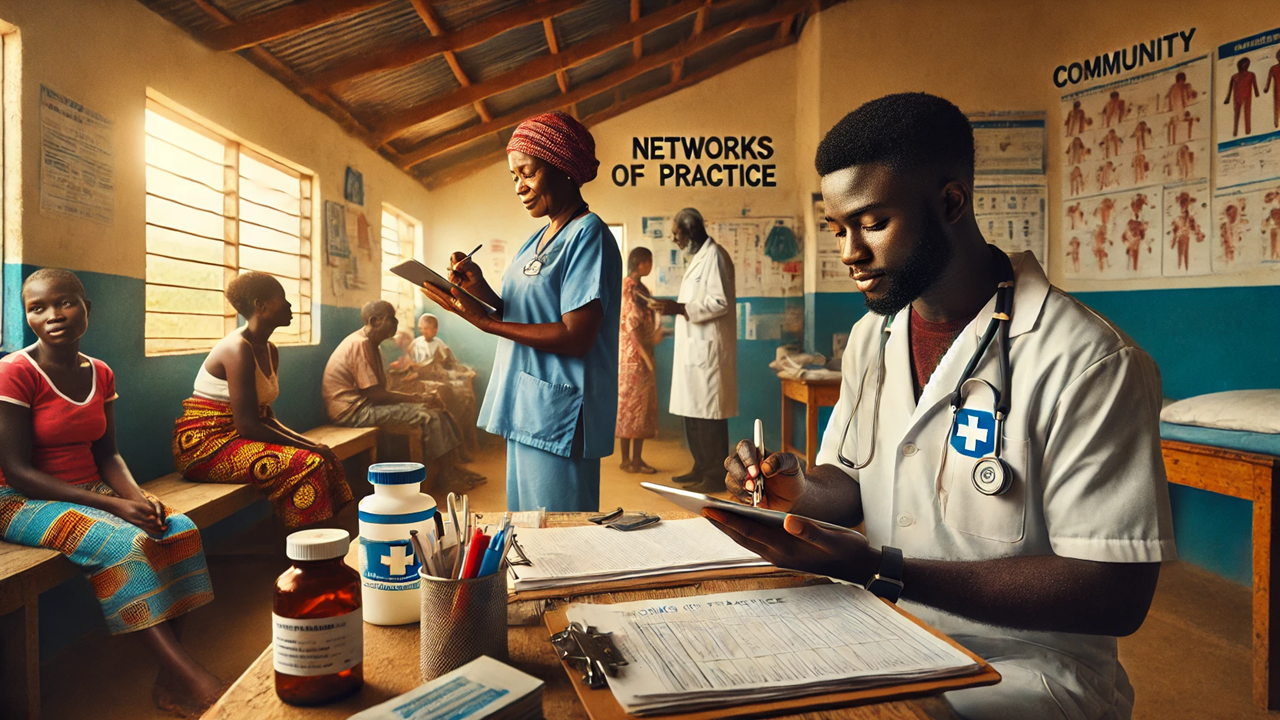
Ghana is making strides in strengthening its primary healthcare system through an innovative approach known as Networks of Practice (NoP). A recent report, "Networks of Practice in Ghana: Learning from Implementation in Two Districts," published by the World Bank, sheds light on the successes, challenges, and key lessons from NoP implementation in Dormaa Central (Bono Region) and Hohoe (Volta Region). This initiative, aimed at improving healthcare access and efficiency, is proving to be a game-changer, although challenges remain in fully realizing its potential.
Revolutionizing Healthcare Delivery
The NoP model is designed around a hub-and-spoke structure, with central health facilities (hubs) coordinating care across smaller units (spokes) such as clinics, CHPS compounds, pharmacies, and maternity homes. By enhancing collaboration among healthcare providers, this model aims to decentralize service delivery, ease hospital congestion, and provide quality care closer to home.
Findings from the study indicate that NoPs have significantly improved healthcare accessibility. More patients in NoP districts are opting for healthcare services at primary centers rather than hospitals, a shift that aligns with the initiative's core objectives. However, a deep-rooted preference for hospitals persists, particularly for maternal and neonatal health (MNH) and hypertension (HTN) care, largely due to perceived higher service quality and availability of specialized staff.
Referral Systems and the Bottlenecks
A critical component of the NoP initiative is the strengthening of referral pathways to ensure that patients receive appropriate care at the right level. However, the study found that referral gatekeeping remains a challenge, as many CHPS facilities continue to refer patients directly to hospitals, bypassing the designated NoP hubs. This weakens the intended structure, leading to an unnecessary strain on district hospitals and underutilization of health centers.
To address this, healthcare providers require more training on referral protocols, alongside regular monitoring to ensure compliance. Additionally, GIS mapping and data-driven decision-making could play a vital role in optimizing patient pathways and resource allocation.
Enhancing Collaboration and Resource Sharing
One of the most promising aspects of NoPs is their ability to foster stronger partnerships between healthcare facilities. The initiative has led to improved communication, knowledge-sharing, and better coordination in managing medical resources. Facilities within the networks are working together to enhance infrastructure, upgrade medical equipment, and expand health insurance accreditation.
In Hohoe, for example, telemedicine services supported by the Volta Regional Hospital have emerged as a key innovation, enabling remote consultations and reducing patient travel burdens. However, collaboration with private healthcare providers, including pharmacies and traditional practitioners, remains limited. Expanding these partnerships could help bridge service gaps and improve overall healthcare delivery.
Patient Preferences and Financial Barriers
Interestingly, while affordability is often considered a barrier to healthcare access, the study found that quality of care outweighs cost concerns for most patients. Many individuals in NoP districts are willing to incur higher out-of-pocket expenses (OOPE) to access superior healthcare, even if it means traveling longer distances. This underscores the need for continued investment in improving service quality at primary healthcare centers to retain more patients within the network.
At the same time, travel distances and long wait times remain significant challenges, particularly in rural areas. Enhancing transport logistics and streamlining appointment systems at health facilities could alleviate these burdens, making care more accessible and efficient.
Scaling Up NoPs: Key Recommendations
As Ghana considers expanding the NoP model nationwide, the report offers several critical recommendations:
Strengthening Health Centers: Ensure that hubs are well-equipped with essential medicines, medical personnel, and infrastructure to handle patient referrals effectively.
Training and Capacity Building: Conduct regular workshops for healthcare providers to reinforce referral guidelines and improve patient management.
Public Awareness Campaigns: Educate communities about NoP benefits, particularly the availability of quality services at health centers covered by insurance.
Private Sector Collaboration: Engage pharmacies, chemical shops, and traditional practitioners to create a more integrated healthcare network.
Data-Driven Decision Making: Utilize GIS mapping and digital health tools to track healthcare utilization patterns and optimize resource distribution.
The NoP initiative represents a bold step toward universal health coverage (UHC) in Ghana. While the study highlights substantial progress, it also underscores the importance of sustained investment, policy support, and community engagement to fully unlock the model's potential. By addressing the existing challenges and scaling up successful strategies, Ghana can establish a more resilient, accessible, and equitable healthcare system for all.
- FIRST PUBLISHED IN:
- Devdiscourse


 Google News