

Angola and WHO Reinforce Partnership to Combat Worsening Cholera Outbreak
The outbreak, which initially began in a limited number of provinces, has now spread to 17 of Angola's 21 provinces, placing immense strain on the country’s healthcare infrastructure.
- Country:
- Angola
In a pivotal meeting held today in Luanda, the Honourable Minister of Health of the Republic of Angola, Dr. Sílvia Lutucuta, officially welcomed the newly appointed World Health Organization (WHO) Representative in Angola, Dr. Indrajit Hazarika. The session marked the beginning of a strengthened collaboration between the Angolan government and WHO, particularly aimed at intensifying the national response to the ongoing cholera outbreak that has now reached critical levels.
A Deepening Public Health Crisis
Since the cholera outbreak began in January 2025, Angola has recorded more than 14,000 confirmed cases and at least 505 deaths, with alarming reports indicating that nearly 50% of the affected are under the age of 20. The outbreak, which initially began in a limited number of provinces, has now spread to 17 of Angola's 21 provinces, placing immense strain on the country's healthcare infrastructure.
"This is an urgent national health emergency," said Minister Lutucuta during the meeting. "We are witnessing an unprecedented spread of cholera that is devastating families and communities, especially our children and youth. The government is doing everything possible, but we need strong, united, and coordinated action to halt this disease."
WHO's Renewed Commitment and Strategic Support
In response, Dr. Hazarika reaffirmed WHO's dedication to supporting Angola with robust and strategic interventions. These include:
-
Enhanced multisectoral coordination: Bringing together various government ministries, non-governmental organizations, and international partners to ensure a united and efficient response.
-
Improved case management: Providing guidelines, resources, and training to healthcare workers to treat cases effectively and reduce fatalities.
-
Strengthened disease surveillance and detection: Boosting the country's epidemiological capabilities to quickly identify and respond to new cases.
-
Risk communication and community engagement: Disseminating accurate public health information to communities, promoting hygiene practices, and reducing misinformation.
-
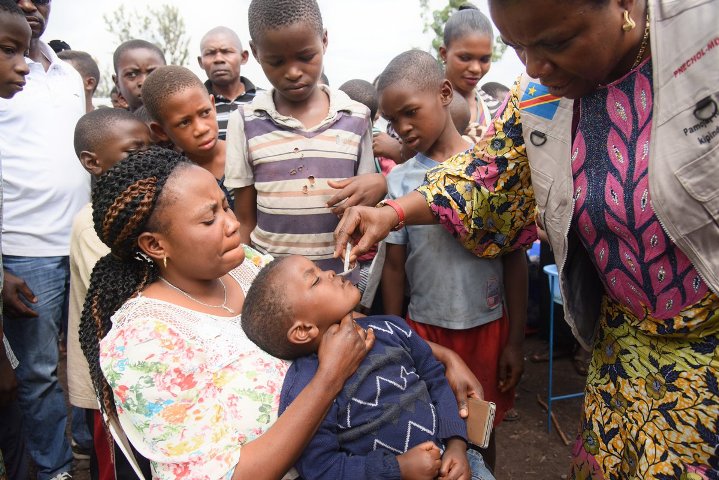
Targeted vaccination campaigns: Prioritizing high-risk zones with oral cholera vaccines to prevent further spread of the disease.
Dr. Hazarika emphasized the opportunity this crisis presents to build long-term resilience within Angola's healthcare system. "While this outbreak poses a severe threat, it also underscores the importance of preparedness. Our work together now will lay the foundation for a stronger, more responsive health system in the future," he stated.
Urgent Response Measures Underway
The Ministry of Health, in collaboration with WHO and various development partners, has already implemented several urgent interventions, including:
-
Deployment of rapid response teams across affected provinces.
-
Training and mobilization of hundreds of frontline health workers.
-
Establishment of cholera treatment centers and isolation units.
-
Distribution of hygiene kits and water purification solutions.
-
Provision of safe drinking water in high-risk communities.
-
Launch of mass awareness campaigns on hygiene and sanitation practices.
Additionally, the government has initiated targeted vaccination drives in the most vulnerable areas, with plans to expand coverage as more vaccines become available.
Multisectoral Collaboration and Global Solidarity
Minister Lutucuta stressed the importance of partnerships in overcoming the outbreak. "Throughout this difficult time, WHO has been by our side as a trusted ally. However, the scale of this outbreak demands more than health sector action—it calls for united efforts from education, water and sanitation, finance, defense, and local authorities," she said.
The Health Minister also called on international partners, including other UN agencies, civil society, and the private sector, to strengthen their support and collaborate more closely in delivering life-saving interventions.
A Vision for Long-Term Health Resilience
Looking ahead, the Government of Angola and WHO have outlined a strategic vision not just to end the current outbreak, but to build a more resilient national health system. The key priorities include:
-
Expanding access to quality healthcare services across all provinces.
-
Investing in sustainable water, sanitation, and hygiene (WASH) infrastructure.
-
Strengthening disease surveillance and early warning systems.
-
Promoting public health education and community-based health programs.
-
Scaling up immunization coverage and emergency preparedness protocols.
The meeting concluded with a firm pledge to escalate the response, accelerate vaccination campaigns, and sustain momentum until the outbreak is brought under control.
Hope and Determination in the Face of Crisis
Despite the rising toll, Angola remains determined to overcome the outbreak. With a track record of successfully managing previous cholera crises, the country is drawing on its experience and leadership to confront the current emergency. "We've beaten this before, and we will do it again," said Minister Lutucuta. "But this time, we aim not just for containment—we aim for prevention and resilience."
The coming weeks will be critical, as Angola races against time to save lives and prevent further spread. With the support of WHO and the global health community, the nation is forging ahead with resolve, courage, and a shared commitment to protect the health and dignity of every Angolan citizen.


 Google News