

Polio Eradication Possible Amid Funding Challenges, Say Global Health Leaders
Global health officials assert that polio eradication remains feasible despite a 30% funding cut to the Global Polio Eradication Initiative. Efforts will focus on high-risk areas, employing strategies like fractional dosing and combining with other health campaigns. Advocacy continues amid challenges such as vaccine hesitancy and social conflicts.
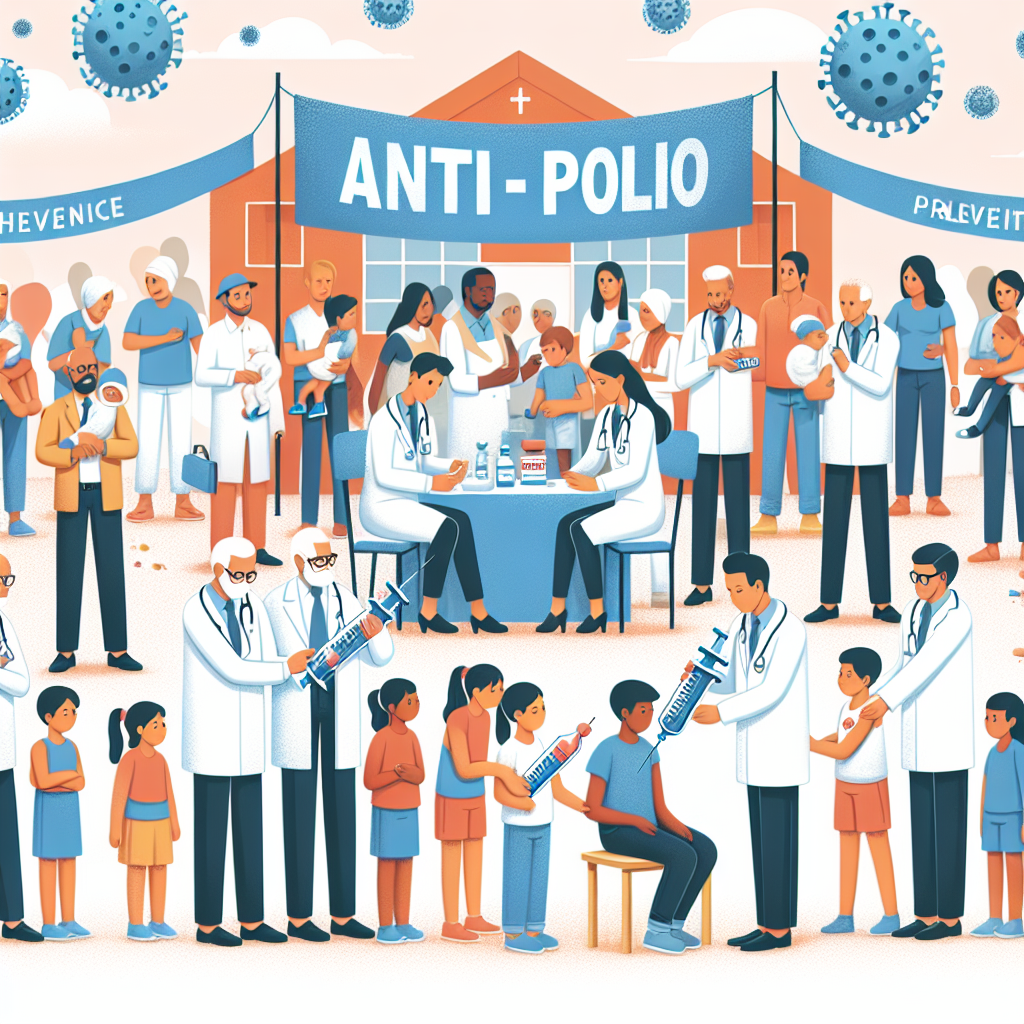
Global health officials remain optimistic about eradicating polio despite an impending 30% budget cut to the Global Polio Eradication Initiative, set to take effect in 2026. The initiative, backed by the World Health Organization and the Gates Foundation, faces a $1.7 billion shortfall up until 2029.
The funding gap is partly due to reduced foreign aid, led by the United States, and cuts from other wealthy nations like Germany and the UK. In response, the GPEI plans to prioritize surveillance and vaccination in high-risk areas and collaborate with other health initiatives to stretch resources.
Despite the setbacks, experts urge continued commitment to polio's eradication, focusing on Afghanistan and Pakistan, where it remains endemic. There were 149 cases of vaccine-derived polio this year, emphasizing the importance of sustained efforts and innovation in vaccination strategies.


 Google News