

WHO Launches Global Kangaroo Care Guide to Save Premature and Low-Weight Babies
Each year, an estimated 15 million babies are born prematurely — before 37 weeks of gestation — making preterm birth the leading cause of death among children under five.
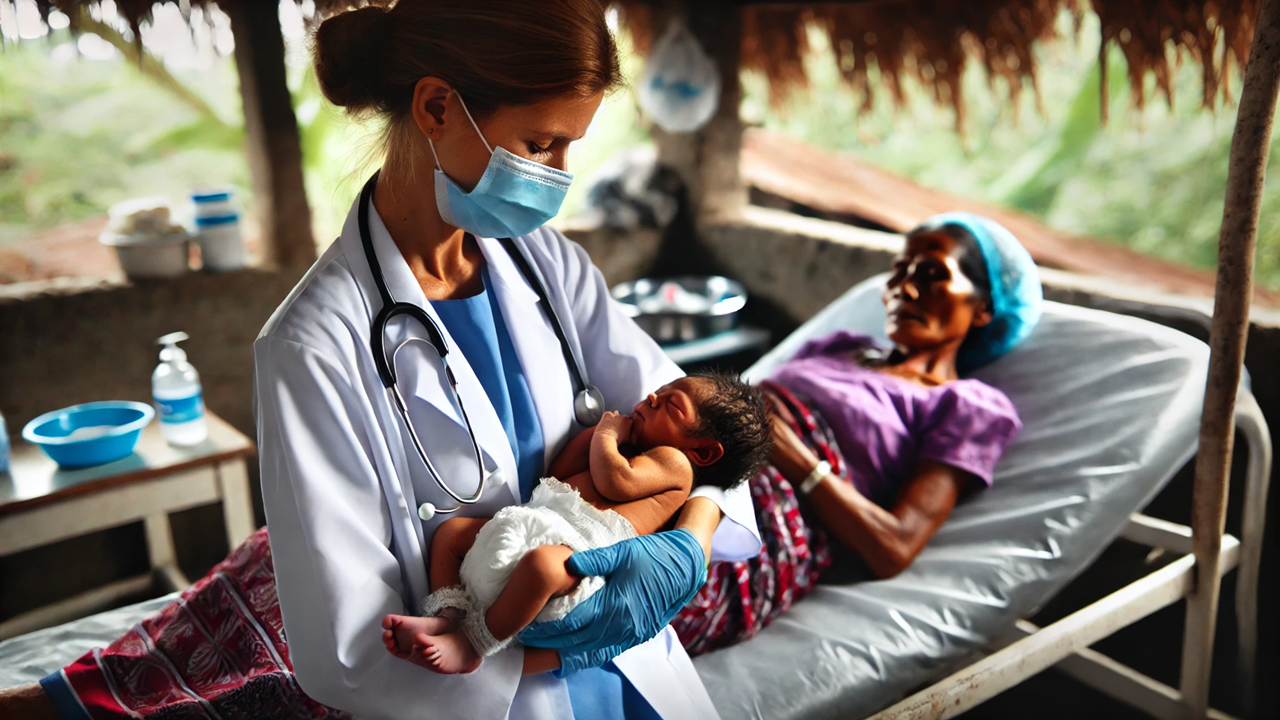
The World Health Organization (WHO) has marked its first official observance of World Prematurity Day with the launch of a groundbreaking global clinical practice guide for Kangaroo Mother Care (KMC) — a life-saving technique proven to significantly improve survival and health outcomes for preterm and low birth weight babies. The new guidance is designed to help health workers, facilities, and families deliver consistent, high-quality care to some of the world's most vulnerable newborns.
Each year, an estimated 15 million babies are born prematurely — before 37 weeks of gestation — making preterm birth the leading cause of death among children under five. In low-income countries, survival prospects remain especially grim: most extremely preterm infants die within their first days of life due to lack of access to essential newborn care. In contrast, in many high-income settings, nearly all preterm babies survive, underscoring deep inequities in global health.
Kangaroo Mother Care: A Proven, Low-Cost Lifeline
Kangaroo Mother Care combines extended skin-to-skin contact with breast-milk feeding, a pairing shown to dramatically reduce mortality in newborns who are born small or too soon. Evidence demonstrates:
-
Over 30% reduction in newborn deaths
-
Nearly 70% reduction in hypothermia
-
15% reduction in severe infections
-
Improved weight gain, growth, and long-term cognitive and developmental outcomes
Importantly, KMC is both inexpensive and feasible across all health system contexts, making it one of the most cost-effective high-impact interventions available for newborn survival.
"KMC is not just a clinical intervention – it empowers mothers and families and transforms newborn care," said Dr Jeremy Farrar, WHO's Assistant Director-General for Health Promotion, Disease Prevention and Care. "It should now be universal clinical practice for all small and preterm babies, ensuring they have the best chance to survive and thrive."
WHO's New Global Guide: Practical Support for Families and Health Providers
The newly released WHO KMC guide serves as a step-by-step manual for initiating, sustaining, and monitoring Kangaroo Mother Care from birth through discharge and beyond. Aimed at clinicians, facility administrators, and caregivers, it provides:
-
Detailed guidance for supporting KMC from the moment of birth
-
Instructions for assessing when babies can safely begin KMC
-
Techniques for securing the baby using wraps, binders, or dedicated garments
-
Recommendations for creating supportive environments and policies
-
Family-centred approaches that enable mothers to stay close to their babies at all times
The guide emphasises that all preterm and low birth weight babies should begin KMC immediately after birth unless they require emergency care for breathing difficulties, severe instability, or life-threatening complications. While mothers are typically the primary caregivers, fathers and other family members can play an important role, particularly when mothers need support or rest.
Crucially, KMC is adaptable across settings — from labour wards and operating rooms to neonatal intensive care units — and can continue at home with proper guidance, allowing families to remain actively engaged in their baby's care.
Strengthening Newborn Care: A Call to Governments and Health Systems
This year's World Prematurity Day theme, "A Strong Start for a Hopeful Future," reinforces the need for comprehensive, high-quality services for small and sick newborns. WHO is urging governments and partners to invest in:
-
Dedicated neonatal wards and special care units
-
Continuous training for nurses and clinicians in newborn health
-
Reliable access to essential medicines, including antibiotics
-
Equipment for respiratory support, thermal care, and infection management
Premature babies are especially vulnerable. Because they spend less time developing in the womb, they often face challenges such as:
-
Underdeveloped lungs
-
Fragile immune systems
-
Difficulty regulating body temperature
-
Increased risk of heart complications and infections
-
Respiratory distress and neurological risks
These vulnerabilities require round-the-clock specialist care to prevent deaths and disabilities.
"No newborn should die from preventable causes," said Dr Per Ashorn, WHO's Unit Head for Newborn and Child Health and Development. "It's time to ensure every baby gets the attention they need, by investing in special care for small or sick babies, alongside quality maternity services that can prevent many occurrences of preterm birth."
Bridging Global Gaps Through Long-Term Commitment
Despite major advances in neonatal care, the survival gap between high-income and low-income countries remains vast. The introduction of this global KMC guide aims to accelerate progress by standardizing care practices and making lifesaving knowledge accessible and actionable worldwide.
WHO stresses that improving outcomes for preterm and low birth weight babies requires coordinated efforts: stronger health systems, trained staff, supportive family environments, and equitable access to care for every newborn, regardless of where they are born.
As the world marks its first official World Prematurity Day under WHO leadership, the message is clear: simple, evidence-based interventions like Kangaroo Mother Care can save hundreds of thousands of lives — but only if they are universally adopted and supported.


 Google News