

WHO Unveils Global Framework to Combat Drug Resistance in HIV, Hepatitis and STIs
Antimicrobial and antiviral drug resistance is undermining efforts to prevent and treat infections that once seemed close to being brought under control.
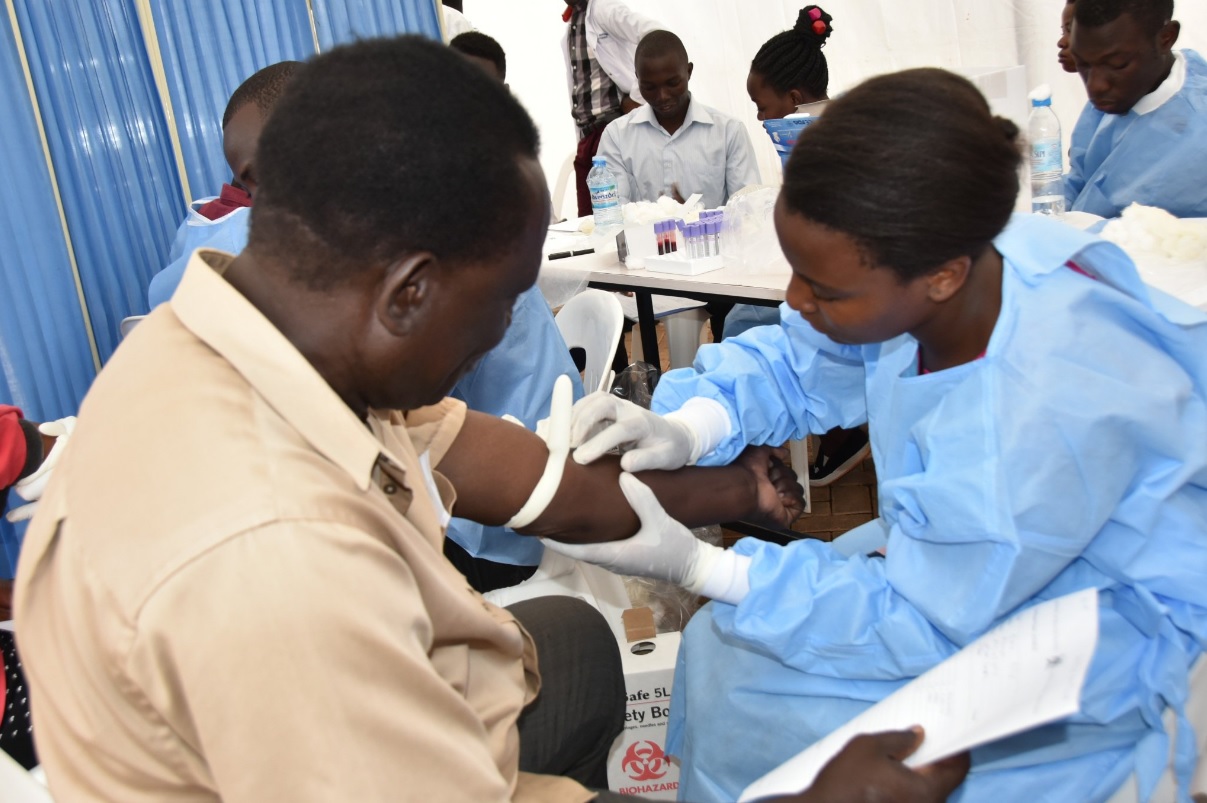
The World Health Organization (WHO) has released a major new roadmap to tackle one of the fastest-growing threats to global health: drug resistance in HIV, hepatitis B and C, and sexually transmitted infections (STIs). The Integrated Drug Resistance Action Framework 2026–2030 sets out a coordinated global strategy to preserve the effectiveness of life-saving medicines and protect decades of progress toward eliminating these epidemics as public health threats.
A Growing Threat to Global Health Gains
Antimicrobial and antiviral drug resistance is undermining efforts to prevent and treat infections that once seemed close to being brought under control. WHO warns that without urgent global action, resistance could lead to:
-
rising numbers of new infections,
-
increased treatment failures,
-
more preventable deaths, and
-
a reversal of progress toward global elimination targets.
HIV, hepatitis B and C, and STIs account for millions of infections each year, and drug resistance in these pathogens has been increasing. Resistance compromises antiretroviral therapy for HIV, antiviral treatments for hepatitis, and first-line antibiotics for STIs such as gonorrhoea and syphilis.
Drug-resistant gonorrhoea alone is now considered a major global public health threat. Meanwhile, HIV drug resistance has already been detected in over 10% of people starting antiretroviral therapy in multiple countries.
A Unified, People-Centred Response
The new WHO framework proposes an integrated, multisectoral approach that strengthens prevention, improves monitoring, and ensures equitable access to the highest-quality diagnostics and treatments. It emphasises that preserving drug effectiveness must become a core pillar of global elimination strategies.
"Drug resistance threatens decades of progress in HIV, hepatitis and STI control," said Dr Tereza Kasaeva, Director of WHO's Department for HIV, Tuberculosis, Hepatitis and Sexually Transmitted Infections. "This framework is a call to action for countries, communities and partners to unite around a shared agenda."
Five Strategic Areas of Action
The 2026–2030 framework identifies five interconnected pillars:
1. Prevention and Response
Strengthening prevention measures—including safer sex initiatives, hepatitis B vaccination, harm-reduction services, and rapid linkage to treatment—aims to reduce new infections that drive resistance. Responding quickly to outbreaks of resistant strains is also a priority.
2. Monitoring and Surveillance
Reliable, comparable data are essential. WHO calls for expanded national surveillance systems to track drug resistance patterns, treatment outcomes, and emerging hotspots. Many low- and middle-income countries lack laboratory and reporting capacity, making this a central focus.
3. Research and Innovation
The framework urges investment in new diagnostics, antiviral and antibiotic treatments, and point-of-care technologies. Innovations such as simplified hepatitis C treatments, long-acting HIV regimens, and molecular tests for gonorrhoea resistance are highlighted as key priorities.
4. Laboratory Capacity
Countries are encouraged to strengthen laboratory networks, quality assurance systems, genomic sequencing capabilities, and workforce training. Reliable testing is essential for identifying resistance and tailoring treatment guidelines.
5. Governance and Enabling Mechanisms
WHO calls for stronger national leadership, better coordination between ministries, multisectoral partnerships, and financing mechanisms to ensure long-term sustainability. Antimicrobial stewardship programs must be integrated into HIV, hepatitis and STI services.
Alignment With Global Health Goals
The framework builds on WHO's Global Health Sector Strategies and is aligned with:
-
the Sustainable Development Goals (SDGs),
-
the Global Action Plan on Antimicrobial Resistance, and
-
renewed political commitments made during the 2024 UN High-level Meeting on Antimicrobial Resistance.
It provides governments, health systems, research institutions, and civil society with a detailed roadmap to implement resistance-mitigation strategies at national, regional, and global levels.
Preserving Life-Saving Medicines for the Future
The WHO emphasises that action between 2026 and 2030 will be critical. As global mobility increases, resistant strains of sexually transmitted infections and blood-borne viruses can spread rapidly across borders. At the same time, the global supply of effective antibiotics and antivirals remains limited, and new medicines are emerging too slowly to keep pace with rising resistance.
The framework calls for countries to scale up interventions immediately, noting that delayed action will increase costs, health system strain, and mortality for years to come.
"Together, we can preserve the effectiveness of life-saving antimicrobial drugs and accelerate progress toward ending these epidemics," Dr Kasaeva said.
With drug resistance threatening to reverse long-fought health gains, WHO's new roadmap aims not only to guide national action, but to galvanise global political will to confront a growing and urgent public health crisis.


 Google News