

Motsoaledi calls for UHC reform, backs NHI to end unaffordable healthcare
The NHI is designed to advance South Africa’s progress toward Universal Health Coverage by ensuring equitable access to healthcare for all.
- Country:
- South Africa
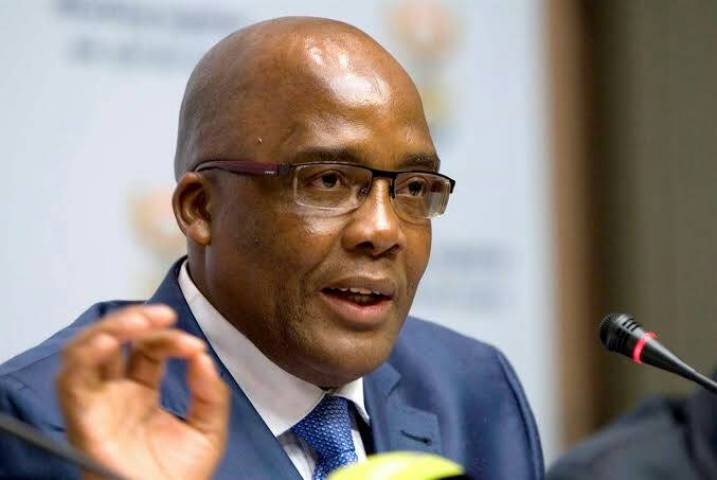
South Africa's Health Minister, Dr Aaron Motsoaledi, has issued a strong call for transformative reform of the country's healthcare financing system, arguing that rising costs and profit-driven models are undermining access to care. Speaking in Pretoria on Friday while marking Universal Health Coverage (UHC) Day 2025, the Minister said the time had come to fundamentally rethink how healthcare is funded and delivered.
"We are sick of unaffordable health costs," Motsoaledi said, echoing the theme of UHC Day, which advocates urgent government action to ensure that everyone can access quality healthcare services without suffering financial hardship.
Universal Health Coverage Day is part of a global campaign led by UHC2030, a multi-stakeholder platform hosted by the World Health Organisation (WHO) in collaboration with the World Bank and the Organisation for Economic Co-operation and Development (OECD). The campaign promotes equitable, affordable, and quality healthcare systems worldwide.
In his address, the Minister traced the evolution of healthcare through what The Lancet describes as three major historical transitions: sanitation, vaccination, and now Universal Health Coverage. He said the third transition represents a future where people no longer have to pay out-of-pocket for essential healthcare services.
"The Lancet says the third transition is on the horizon, and it will signify a time when people don't have to pay cash for their healthcare needs," he said.
Motsoaledi strongly criticised the financialisation of healthcare, describing it as the growing influence of financial markets, investors, and corporate interests in health systems. He questioned whether profit motives should have a place in caring for the sick.
"Nobody invests money without expecting profit. But should we do that with sick people?" he asked.
He shared examples illustrating how financial incentives can compromise patient care, including cases where vulnerable patients are subjected to unnecessary or poorly explained medical procedures. Such practices, he said, make healthcare unaffordable for poor and marginalised communities and deepen inequality.
According to the Minister, the solution lies in the full implementation of National Health Insurance (NHI), which he described as "a strong global antidote to the financialisation of health." The NHI is designed to advance South Africa's progress toward Universal Health Coverage by ensuring equitable access to healthcare for all.
Under the NHI model, a **single purchaser—the NHI Fund—**will procure healthcare services from accredited public and private providers. This system aims to pool resources, reduce fragmentation, and ensure that all citizens receive quality care without financial hardship.
Motsoaledi acknowledged that the NHI Act faces legal challenges and opposition but stressed that it remains central to South Africa's transformative health agenda. He also emphasised the importance of a comprehensive UHC model that protects women and children, whom he described as "the biggest losers in a financialised healthcare system."
Highlighting South Africa's potential to lead global health reform, the Minister cited the country's HIV/AIDS treatment scale-up as proof of what can be achieved when public health is prioritised over profit. He noted that maternal mortality linked to HIV dropped dramatically—from about 240 to below 99 per 100,000 live births by around 2019—following expanded access to treatment.
He also pointed to the dramatic reduction in the cost of lenacapavir, a new long-acting HIV prevention drug. Initially priced at US$28,000 per person, the medication is now available for about US$40 due to interventions by the Global Fund and partner organisations. South Africa plans to roll out lenacapavir as early as March 2026.
"We are on the verge of eliminating HIV/AIDS as a public health threat in our lifetime," Motsoaledi said, adding that Universal Health Coverage and the NHI are critical to achieving that goal and ensuring a fairer, more humane healthcare system for all South Africans.
ALSO READ
-
Over 9 Million People Gain Better Access to Social Protection Through ILO Support
-
WHO Childhood Cancer Data Reveal Survival Gaps Across 194 Countries and Age Groups
-
BRICS Leaders Put Health at the Heart of New Delhi Summit’s Push for Lasting Change
-
WHO’s Free 90-Minute Course Helps People Understand Primary Health Care Reform
-
Billions Use Traditional Medicine: WHO Pushes to Close Research Funding Gap


 Google News