

Avian Flu Outbreak: Wisconsin Dairy Herd Faces New Virus Spillover
The USDA has confirmed a case of highly pathogenic avian influenza in a Wisconsin dairy herd, marking a new spillover event from wildlife to cattle. Identified as the H5N1 strain, this outbreak doesn't pose a threat to consumer health. Milk pasteurization kills the virus, ensuring safety. USDA continues to monitor the situation closely.
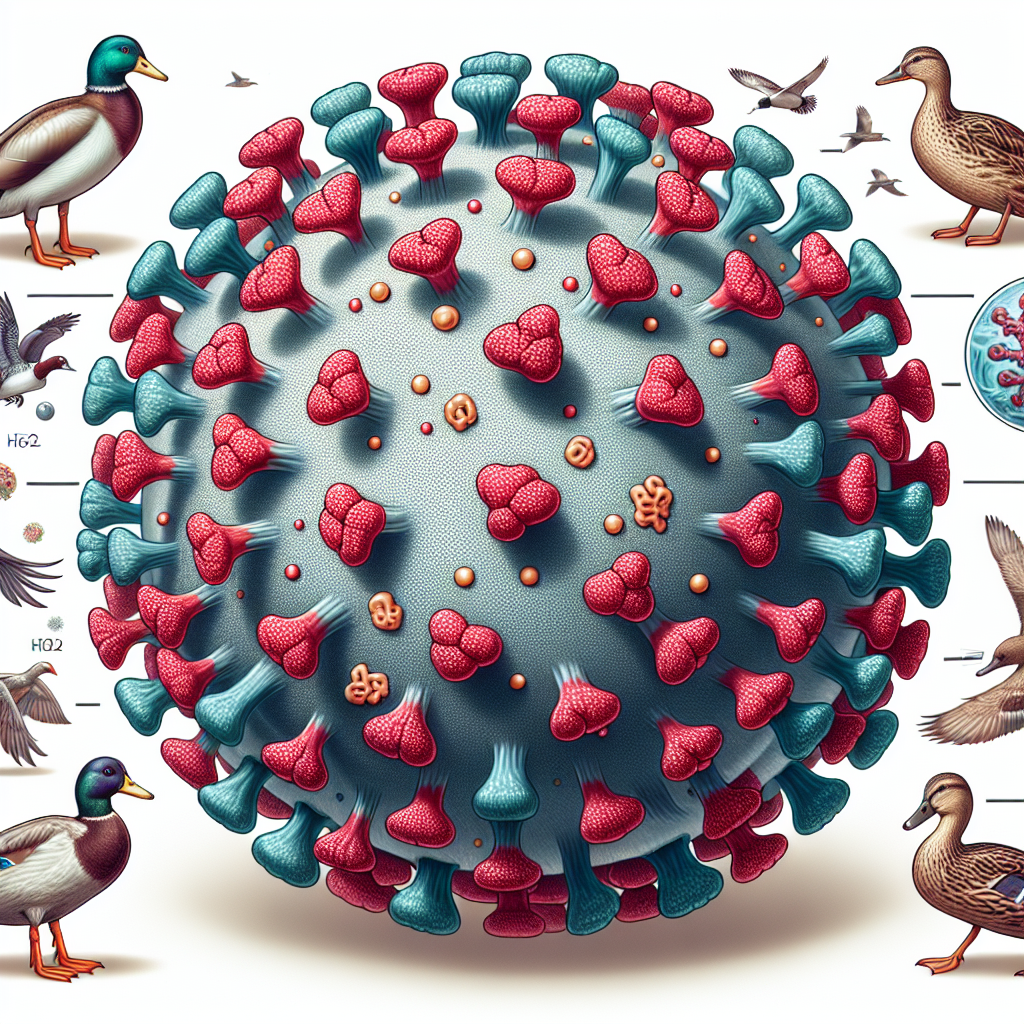
In a significant development, the United States Department of Agriculture (USDA) confirmed a highly pathogenic avian influenza case in a Wisconsin dairy herd, signaling a novel spillover incident from wildlife to cattle. The virus, identified as the H5N1 strain, was confirmed through whole genome sequencing conducted by the National Veterinary Services Laboratories.
This marks a distinct shift from previous outbreaks primarily traced back to an initial spillover in Texas, characterized by the B3.13 strain. Previous isolated incidents in Nevada and Arizona involved the D1.1 variant, but the Wisconsin incident presents a new challenge. The National Milk Testing Strategy detected it, with no subsequent herd infections reported.
Health officials assure consumers that there’s no threat to public safety or the milk supply, as pasteurization effectively neutralizes the virus. The USDA emphasizes maintaining strict biosecurity measures while Congress urges the Trump administration to expedite bird flu vaccine development for livestock, underscoring the public health priority.


 Google News