

WHO Releases Updated Global Framework to Modernize Foodborne Disease Surveillance and Prevent Outbreaks
Across all stages, the manuals emphasize clear institutional roles, multisectoral collaboration, and the systematic use of surveillance data to inform risk assessment, response, and prevention.
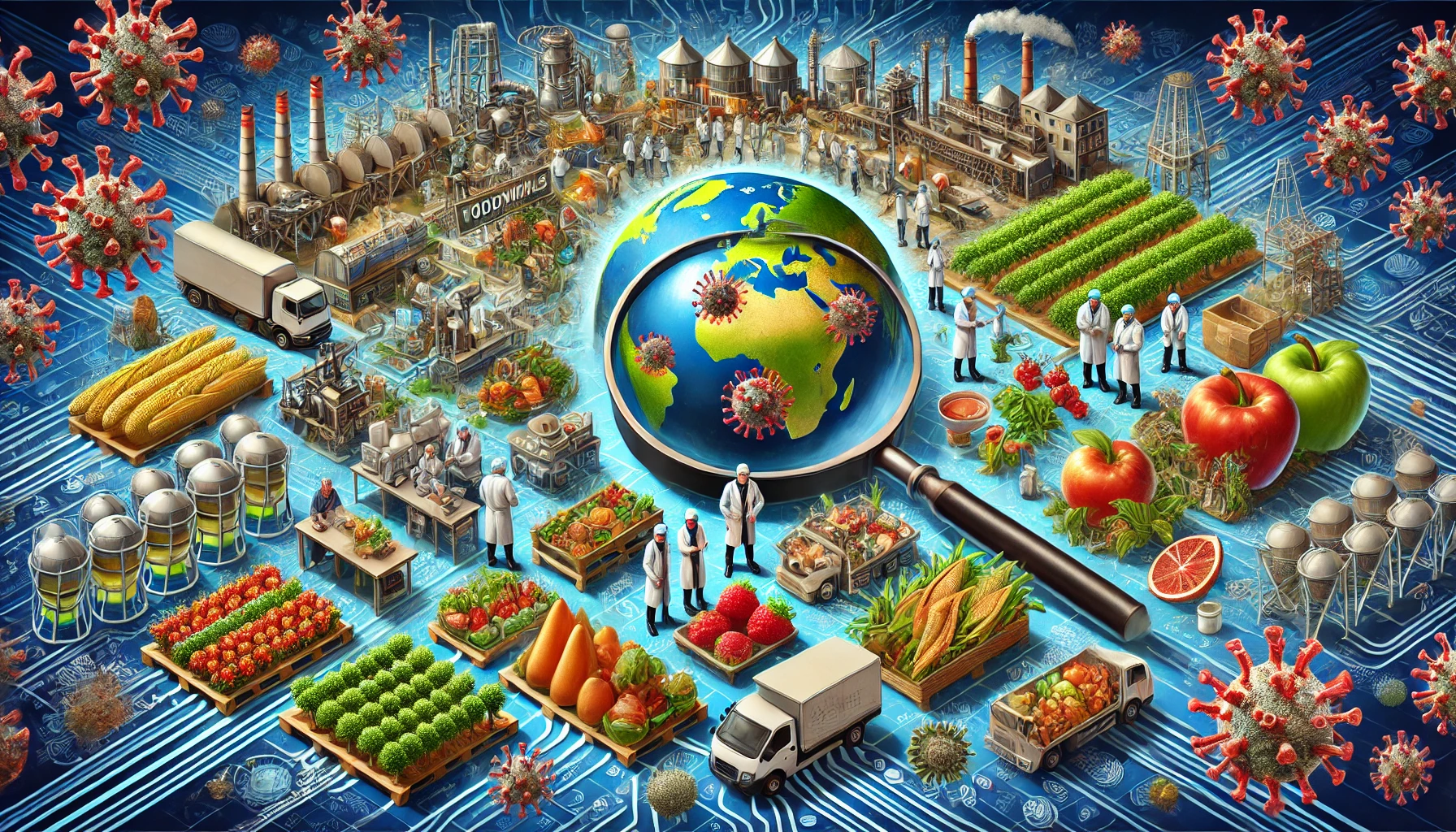
The World Health Organization (WHO) has released updated editions of its complete set of manuals on foodborne disease surveillance and response, providing countries with a practical, system-level blueprint to detect foodborne threats earlier, respond more effectively, and prevent local incidents from escalating into national or international emergencies.
As food systems become more complex and climate and environmental pressures reshape disease risk, the updated manuals arrive at a critical moment—offering countries clear, structured guidance to build and strengthen surveillance systems that protect public health and support faster, evidence-based decision-making.
A Scalable Framework for National Surveillance Systems
At the core of the updated guidance is a three-stage framework that helps countries progressively develop foodborne disease surveillance and response systems that are fit for purpose, sustainable, and aligned with international expectations.
The framework supports:
-
Foundational detection and response capacities
-
Strengthened national investigation and response systems
-
Integrated surveillance across the food chain, linking public health, food safety, laboratory, animal health, and environmental sectors
Across all stages, the manuals emphasize clear institutional roles, multisectoral collaboration, and the systematic use of surveillance data to inform risk assessment, response, and prevention.
From Policy to Practice: Tools Countries Can Use Now
Unlike high-level strategy documents, the manuals are designed for immediate operational use. Each includes:
-
Self-assessment tools to evaluate current capacities
-
Decision trees to guide surveillance and response functions
-
Planning templates and field investigation tools
-
Case studies drawn from real-world outbreak experience
Together, these tools help national authorities identify gaps, prioritize investments, and develop realistic roadmaps for action.
Equity, Climate Risk, and Integrated Data
The updated editions place stronger emphasis on:
-
Equity in surveillance coverage and response capacity
-
Linking foodborne disease surveillance with food contamination monitoring
-
The growing influence of climate and environmental factors on foodborne risks
-
Designing systems that are adaptive to changing contexts and hazards
This reflects a shift toward resilient, future-ready surveillance systems that can anticipate risk rather than simply react to crises.
Data as the Backbone of Food Safety
Stronger surveillance systems improve:
-
Timeliness of outbreak detection
-
Reliability of risk assessments
-
Effectiveness of outbreak investigations
-
Translation of evidence into prevention and control measures
The manuals are designed to complement existing WHO guidance on advanced tools—such as whole genome sequencing (WGS)—while making clear that advanced technologies are most effective when built on strong foundational systems.
Rather than prescribing specific technologies, the manuals provide the system-level framework countries need to decide when and how to adopt innovations like genomic surveillance based on readiness, priorities, and sustainability.
Why This Matters for Health-Tech and Data Innovators
For health-tech developers, laboratory informatics providers, data-platform builders, and public-health innovators, the updated manuals signal a clear direction of travel:
-
Integrated surveillance architectures
-
Interoperable data systems across sectors
-
Decision-support tools for outbreak response
-
Scalable pathways for advanced analytics and genomics
Call to Action: Build Surveillance Systems Before the Crisis
WHO's message is clear: foodborne disease surveillance is core public-health infrastructure.
Countries, donors, and technology partners are encouraged to:
-
Invest in foundational surveillance capacity
-
Align digital tools with national workflows
-
Prioritize interoperability, equity, and sustainability
-
Introduce advanced methods only when systems are ready
For countries seeking to reduce the burden of foodborne disease and strengthen population health, the updated manuals offer a practical roadmap for action—helping ensure that early warning systems are in place long before the next outbreak begins.
ALSO READ
-
How Nuclear Science Can Keep Food Fresh and Cut Waste Costing Billions
-
Cholera Deaths Rise 30% as WHO Reports Highest Annual Toll in More Than Two Decades
-
New Zealand Gives NZ$300,000 to Help Developing Countries Build Safer Food Trade
-
El Niño Health Alarm: Rising Heat, Floods and Hunger Put Communities on High Alert


 Google News