

Conflict and Fragility Drive Majority of Global Maternal Deaths, WHO Warns
The findings underline how crisis conditions are driving maternal mortality, concentrating deaths in places where health systems are least able to respond.
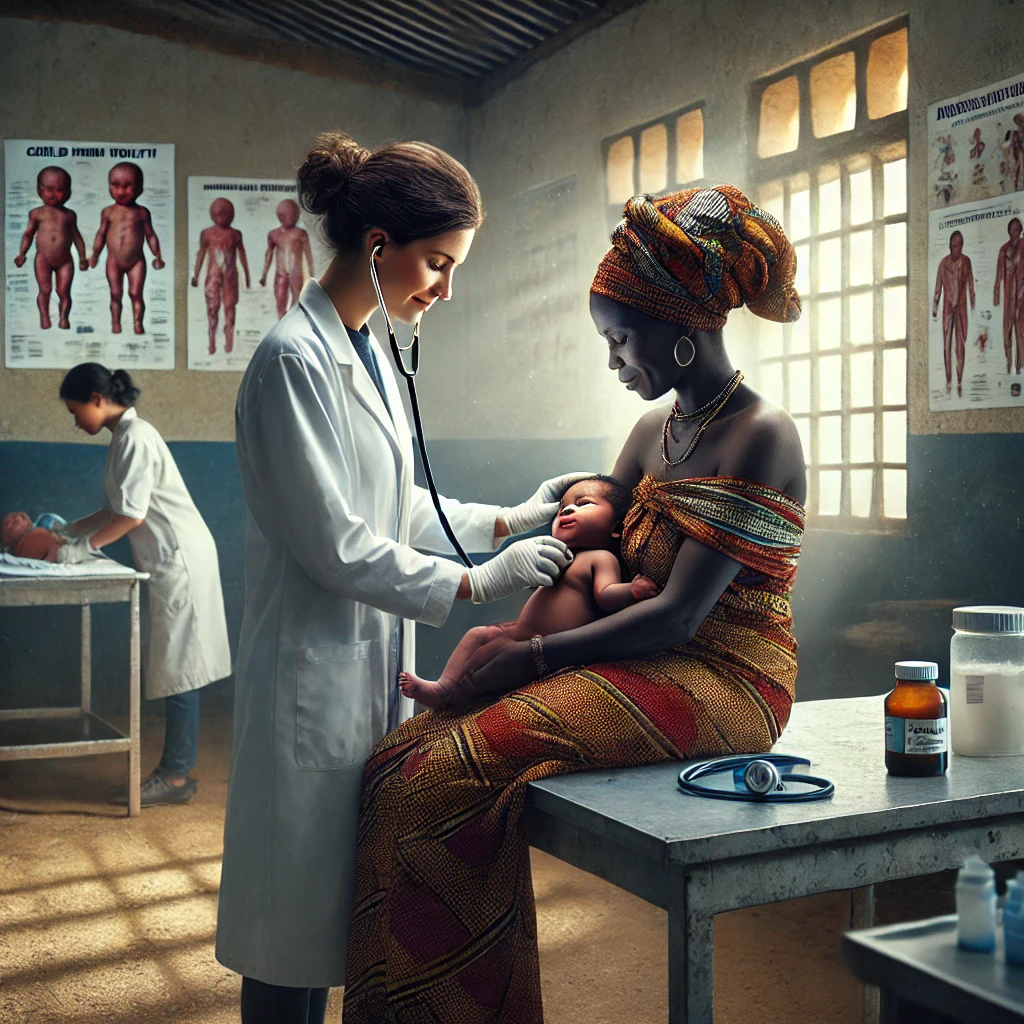
Nearly two-thirds of maternal deaths worldwide are now occurring in countries affected by conflict, instability or institutional fragility, according to a new technical brief from the World Health Organization (WHO) and HRP, the UN-backed research programme on human reproduction.
The analysis highlights an alarming and widening disparity: women living in fragile and conflict-affected settings face dramatically higher risks of dying during pregnancy or childbirth — even though these countries account for only a small share of global births.
160,000 Preventable Deaths in Fragile Settings in One Year
In 2023 alone, an estimated 160,000 women died from preventable maternal causes in fragile or conflict-affected settings.
That represents:
-
6 in 10 maternal deaths globally
-
Despite these countries accounting for only around 1 in 10 of global live births
The findings underline how crisis conditions are driving maternal mortality, concentrating deaths in places where health systems are least able to respond.
Maternal Death Risk Five Times Higher in Conflict Zones
The brief confirms that pregnancy becomes far more dangerous in conflict-affected countries.
A woman living in a conflict setting faces a maternal mortality risk around five times higher per pregnancy than her peers in stable countries.
Countries classified as conflict-affected recorded an estimated maternal mortality ratio (MMR) of:
-
504 deaths per 100,000 live births
Countries considered institutionally and socially fragile had an MMR of:
-
368 deaths per 100,000 live births
By comparison, countries outside both categories recorded a much lower MMR of:
-
99 deaths per 100,000 live births
Global Progress Has Stalled
The new analysis builds on last year's maternal mortality estimates covering 2000–2023, which showed that global progress in reducing maternal deaths has slowed significantly.
Maternal mortality remains "staggeringly high" in low-income and crisis-affected settings, prompting WHO and partners to examine fragility more closely as a key driver.
Fragility Disrupts Lifesaving Maternal Care
The brief confirms what health workers in crisis zones report daily: fragile conditions prevent health systems from delivering consistent maternal care.
Conflict and instability disrupt:
-
Skilled birth attendance
-
Emergency obstetric services
-
Supply chains for medicines and blood products
-
Safe referral and transport systems
-
Access for displaced or marginalised women
The analysis also highlights that overlapping factors such as gender inequality, ethnicity, migration status and age can further increase risk for pregnant women and girls living in fragile contexts.
Stark Lifetime Risk for Girls in Conflict-Affected Countries
The disparity is especially severe for adolescents.
A 15-year-old girl living in a conflict-affected country in 2023 faced a:
-
1 in 51 lifetime risk of dying from a maternal cause
In countries affected by institutional and social fragility, the risk was:
-
1 in 79
In relatively stable countries, the risk fell dramatically to:
-
1 in 593
These figures illustrate how instability multiplies the danger of pregnancy, particularly for young girls.
Case Studies Show Solutions Are Possible
Despite extreme challenges, the publication includes case studies demonstrating that innovative approaches can protect maternal health even amid crisis.
Examples include:
ColombiaTraining traditional birth attendants and strengthening trusted community networks has improved timely access to care in remote or insecure areas.
EthiopiaMobile health teams, renovated facilities and additional midwives are helping restore continuity of maternal services after disruption.
HaitiFree or low-cost caesarean sections and reliable electricity have removed major cost and infrastructure barriers for displaced women.
Myanmar, Papua New Guinea and UkraineThese settings show that protecting essential maternal services — through subnational planning, respectful childbirth practices and reorganised patient pathways — can save lives even in complex emergencies.
Using Fragility-Linked Data to Target Action
By aligning maternal mortality data with fragility classifications, WHO and HRP say the world now has a more precise tool to identify where urgent investment is needed.
The brief calls for:
-
Stronger primary health care systems during crises
-
Resilient service delivery models able to absorb shocks
-
Better maternal death data collection in hard-to-reach areas
-
Investment in continuity of essential services for women and girls
Urgent Need to Prevent Deaths in the Most Challenging Environments
WHO stresses that most maternal deaths are preventable — but only if women have access to skilled care before, during and after childbirth.
The brief concludes that accelerating progress will require prioritising fragile and conflict-affected countries, where the burden is highest and the stakes are greatest.
Together, strengthened health systems, better data, and targeted support can help reduce preventable maternal deaths — even in the world's most difficult settings.


 Google News