

WHO develops new guidance for pregnant women living with chronic diseases
According to the WHO, indirect causes now account for around 23 percent of maternal deaths worldwide, making them the second-largest cause after haemorrhage.
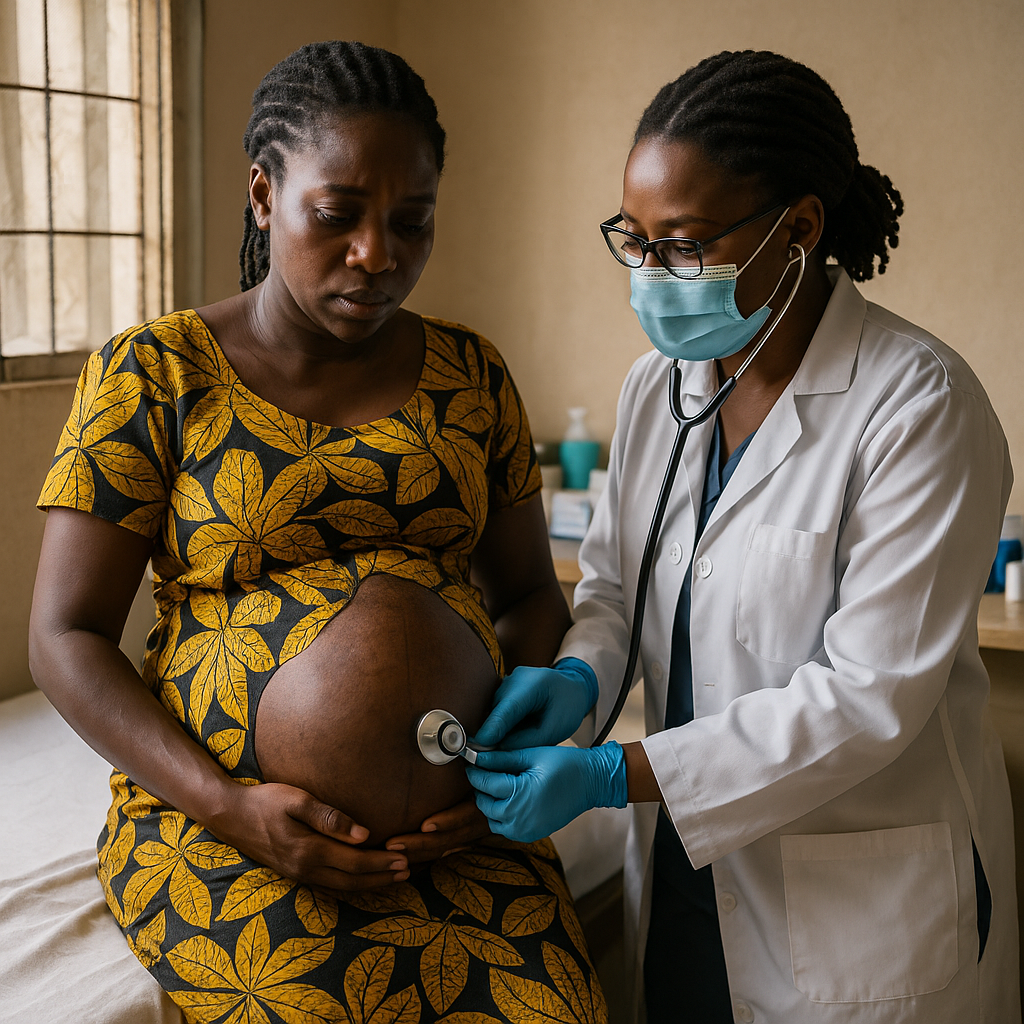
Pregnant and postpartum women living with chronic health conditions could soon benefit from stronger and more integrated care as the World Health Organization (WHO) works on new recommendations to address the growing impact of noncommunicable diseases (NCDs) during pregnancy and childbirth. Conditions such as diabetes, high blood pressure, heart disease, and obesity are affecting a rising number of pregnancies worldwide. Some women enter pregnancy with these conditions, while others develop them during pregnancy. Health experts say the trend is becoming a major challenge for maternal healthcare systems, particularly in countries already struggling with high maternal mortality rates. NCDs are now increasingly linked to serious complications during pregnancy and are contributing to a growing share of maternal deaths globally.
Chronic diseases are reshaping maternal health risks
According to the WHO, indirect causes now account for around 23 per cent of maternal deaths worldwide, making them the second-largest cause after haemorrhage. Many of these deaths are linked to underlying noncommunicable diseases.
The health consequences can affect both mothers and babies. Women with chronic conditions face higher risks of complications such as pre-eclampsia, gestational diabetes, premature birth, and delivery by caesarean section. Babies may be born smaller or larger than expected for their gestational age and can require specialised neonatal care after birth.
The impact often continues beyond pregnancy. Women who experience NCD-related complications are more likely to develop long-term cardiovascular and metabolic conditions later in life. Research also shows that children born from affected pregnancies may face a greater risk of obesity and other chronic diseases as they grow older.
Challenges remain despite new clinical guidance
WHO released its first maternal NCD guidelines in 2025, focusing on diabetes and sickle cell anaemia during pregnancy. While these recommendations marked an important milestone, health officials say implementing them remains difficult, especially in low- and middle-income countries where specialist care is often limited.
In many regions, antenatal care visits provide the first and sometimes only interaction women have with the healthcare system. This creates a critical opportunity to diagnose and manage chronic diseases, yet NCD care is frequently under-prioritised within maternal health services.
Limited access to maternal-fetal medicine specialists, endocrinologists, and other trained professionals can make comprehensive care difficult to deliver, particularly in rural and underserved communities.
Expert group to guide future implementation
To address these challenges, WHO will host a virtual Expert Convening on NCD Care Integration During Pregnancy on 30 June 2026. The meeting will bring together specialists to help ensure that existing and future guidance can be implemented effectively across different health systems. The expert group will provide advice on integrating NCD care into maternal and perinatal health services, supporting continuity of care before, during, and after pregnancy. Discussions will also focus on practical tools that can help countries apply new clinical recommendations in real-world settings.
As part of the process, WHO is inviting public feedback on the experts and stakeholders involved in the initiative. The organisation says transparency and conflict-of-interest reviews remain central to maintaining the credibility of future guidelines. The effort reflects growing recognition that maternal health and chronic disease management can no longer be treated as separate challenges, particularly as noncommunicable diseases continue to reshape health outcomes for women and families around the world.


 Google News