

Cholera Surge Across West and Central Africa Puts Children at Risk
Cholera is caused by infection with Vibrio cholerae bacteria and can spread quickly when food or water becomes contaminated.
- Country:
- Senegal
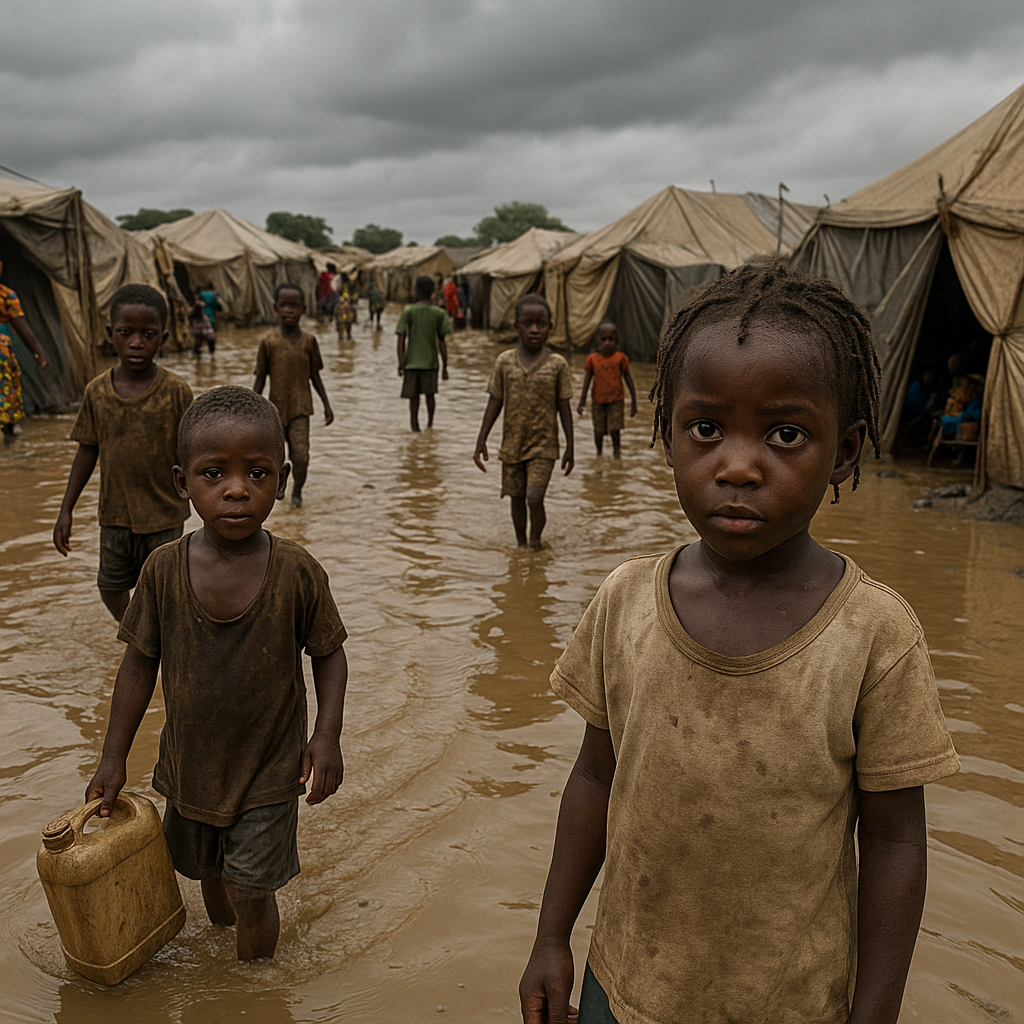
A fast-growing cholera crisis across West and Central Africa is putting millions of children at risk as outbreaks spread through six countries, driven by heavy seasonal rains, flooding, displacement and movement across borders that makes the disease increasingly difficult to contain within individual communities.
The Democratic Republic of the Congo, Republic of Congo, Nigeria, Chad, Cameroon and the Central African Republic are all dealing with active outbreaks, with children representing a striking share of infections in several countries. In the Central African Republic, children younger than 10 account for 44 per cent of reported cases, while nearly two-thirds of infections in Chad involve children under 15, and the median age of patients in Cameroon is only 10.
UNICEF says the regional nature of the crisis requires countries to work together because cholera is travelling along rivers, trade routes and population movements rather than remaining within national borders.
Nigeria and DRC report tens of thousands of cases
Nigeria has recorded the region's largest reported outbreak, with more than 50,000 cumulative cholera cases and 338 deaths since January 1, 2026, including a major outbreak in Borno State as of the end of July.
The Democratic Republic of the Congo has reported more than 30,400 cases and almost 700 deaths, giving it the highest reported death toll among the six affected countries. These numbers underline the danger facing communities where clean water, sanitation and healthcare can become harder to access during floods or displacement.
Cholera is caused by infection with Vibrio cholerae bacteria and can spread quickly when food or water becomes contaminated. Severe cases can lead to rapid dehydration, making quick access to treatment particularly important for children and other vulnerable people.
Rivers and flooding are helping outbreaks cross borders
Health agencies have identified two major corridors where transmission is concentrated. Around the Lake Chad Basin, the same Vibrio cholerae O1 Ogawa strain is affecting Nigeria, Chad and Cameroon, illustrating how closely connected outbreaks can become when communities share water systems, transport routes and regular population movements.
A second corridor follows the Congo River Basin, connecting outbreaks affecting the Democratic Republic of the Congo, Republic of Congo and the Central African Republic.
Seasonal flooding makes conditions more dangerous by contaminating drinking water, damaging toilets and sanitation facilities and making some communities harder for health teams to reach. Families displaced by floods, insecurity or other emergencies can face added risks when large numbers of people must depend on limited water and sanitation facilities.
UNICEF Regional Director for West and Central Africa Gilles Fagninou warned that the outbreak is moving across borders and placing millions of children in danger, arguing that safe water remains one of the most important protections against a disease that can be prevented.
UNICEF seeks $15 million for six-month emergency response
National and local authorities are working with UNICEF and other partners to expand access to safe water and sanitation, strengthen surveillance, distribute health supplies and support oral cholera vaccination campaigns. Community outreach is also being used to help families understand how the disease spreads and what they can do to reduce their exposure.
UNICEF is working with the World Health Organization, Africa Centres for Disease Control and Prevention and regional partners to improve coordination between countries, particularly along the major transmission corridors where infections can move quickly from one area to another.
The organisation is calling for an additional US$15 million to expand life-saving cholera response efforts across West and Central Africa during the next six months. Funding would support immediate measures needed to control current outbreaks while strengthening water, sanitation, hygiene and health systems that can reduce the risk of communities repeatedly facing the same crisis.
For children living in affected areas, controlling the outbreak depends not only on treating people who become sick but also on ensuring families can consistently access clean water, adequate sanitation, vaccination and healthcare before another infection occurs.


 Google News