

Act East Policy: India's Strategic Pivot in Southeast Asia
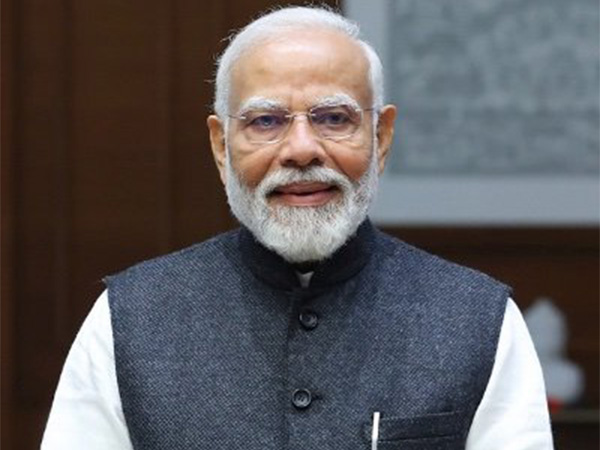
Under PM Modi, India's Act East Policy has transformed foreign relations with Southeast Asia. With a focus on diplomatic engagement, trade, security cooperation, and cultural exchanges, the policy has strengthened India's role in regional affairs and expanded its influence in the Indo-Pacific region.
- Country:
- India
India's Act East Policy (AEP), spearheaded by Prime Minister Narendra Modi, reflects a dramatic transformation in the nation's foreign policy toward Southeast Asia. Launched officially in 2014, this policy evolved from the Look East initiative that began in 1992. It focuses on deepening diplomatic ties, boosting trade relationships, and enhancing security cooperation across the Indo-Pacific.
PM Modi's numerous visits to Southeast Asian countries underscore India's burgeoning role in regional affairs. Notably, these visits include his trips to Singapore, Indonesia, and Brunei, where he fostered economic and defense cooperation and marked historic firsts in bilateral relations. His invitation to ASEAN leaders for India's Republic Day parade symbolized India's growing diplomatic ties.
India's Act East Policy has also seen significant economic advancements, with trade with ASEAN nations nearly doubling in recent years. Infrastructure projects like the India-Myanmar-Thailand Trilateral Highway and direct flights have boosted connectivity. Crucially, the policy emphasizes defense cooperation, evidenced by the sale of BrahMos missiles to the Philippines and military agreements with Vietnam, asserting India's growing presence in Indo-Pacific security frameworks.


 Google News