

Mandarin Mandate in Inner Mongolia Sparks Cultural Concerns
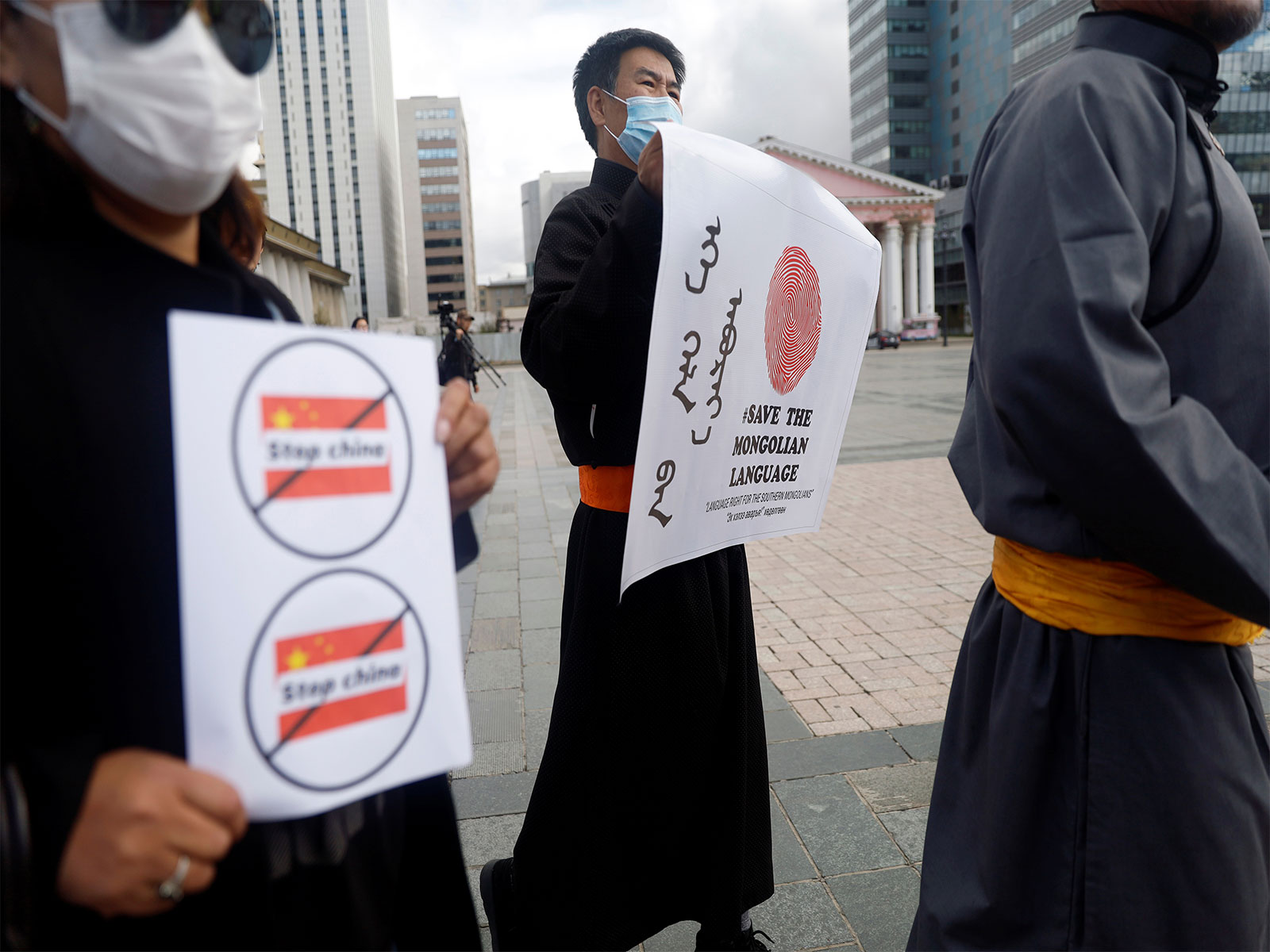
The enforcement of Mandarin as the main language of instruction in Inner Mongolian schools raises fears about the erosion of Mongolian language and culture. Ethnic Mongolian teachers and parents are concerned about its impact on education and identity, amid broader societal pressure to prioritize Mandarin.
- Country:
- China
In a transformative yet contentious move, China has fully implemented its language reform in Inner Mongolia, which designates Mandarin as the primary language of instruction in schools. The policy, introduced in phases since 2020, fuels anxiety among ethnic Mongolians over the potential loss of their native language and cultural identity.
Educators are grappling with the mandate, with many, like long-time math teacher Saren, facing abrupt changes. 'Switching from Mongolian to Mandarin has been a struggle,' Saren notes, citing rushed training sessions. Students and their academic achievements have noticeably suffered, echoing concerns among parents, like Adma, who fear the eventual fading of their language and ethnic identity.
Beyond the academic sphere, the Mandarin policy extends into public service, compelling ethnic Mongolian officials to favor Mandarin in their duties. This creates a social pressure cooker where native speakers hesitate to use their language, fearing stigmatization. For many in Inner Mongolia, the sweeping language policy signals a troubling erosion of cultural heritage.


 Google News