

UN Report urges Sri Lanka to address issue of enforced disappearances
The report calls for transparency, accountability, and justice for the victims and their families.
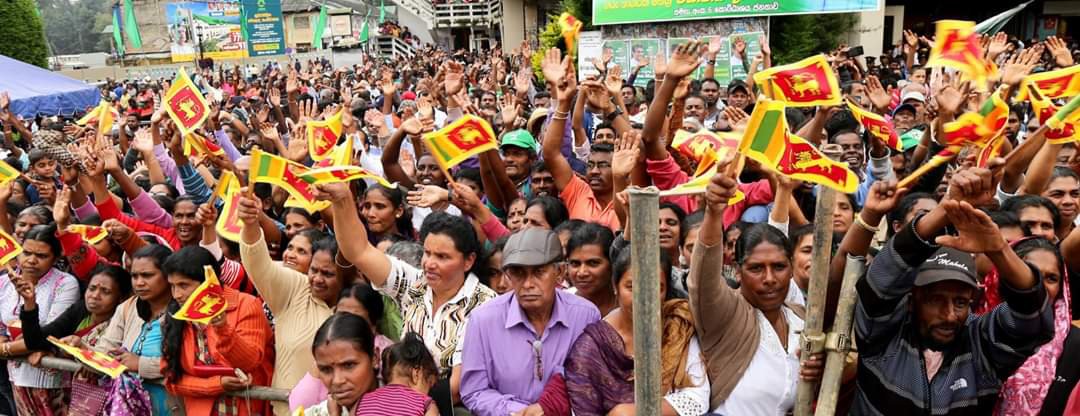
The United Nations Human Rights Office has released a report emphasizing the urgent need for the Sri Lankan government to take decisive action to resolve the fate and whereabouts of tens of thousands of individuals who have been subjected to enforced disappearances over the past several decades. The report calls for transparency, accountability, and justice for the victims and their families.
Acknowledgment and Public Apology
The report urges the Sri Lankan government to acknowledge the involvement of state security forces and affiliated paramilitary groups in these enforced disappearances. A public apology is recommended as a crucial step towards reconciliation. UN High Commissioner for Human Rights, Volker Türk, stressed the importance of recognizing the suffering endured by the victims and their families, stating, "Their families and those who care about them have been waiting for so long. They are entitled to know the truth."
Need for Comprehensive Investigation and Accountability
Despite some formal steps by successive Sri Lankan governments, such as ratifying the International Convention for the Protection of All Persons from Enforced Disappearance and establishing the Office on Missing Persons and the Office for Reparations, tangible progress on resolving individual cases has been limited. The report highlights the necessity of fully investigating these crimes and holding perpetrators accountable, including current and former senior officials and diplomats who continue to evade justice.
Impact on Families and Society
The enduring psychological, social, and economic impact on the families of the disappeared, particularly on women, is a significant concern detailed in the report. With many disappeared individuals being male, women often become the sole income-earners, facing numerous obstacles in the labor market, including risks of sexual harassment and exploitation. Furthermore, women at the forefront of efforts to find their disappeared loved ones have been subjected to harassment, intimidation, arbitrary detention, and violence by the army and police. One woman recounted threats made against her family, saying, "They told me if I continue, they will cut my husband in pieces or that they will go after my children."
Obligations Under International Law
The report underscores that under international law, the state is obligated to resolve cases of enforced disappearances, which are considered continuing violations until the fate and whereabouts of those disappeared are clarified. Despite this clear obligation, most victim families remain without answers. One man testified, "Two weeks passed, then two months, then two years. Now it has been 32 years, and I am still waiting," highlighting the prolonged agony faced by families.
Call for Institutional Reform and Accountability
The UN report emphasizes that despite the passage of nearly 15 years since the end of Sri Lanka's armed conflict, authorities have failed to ensure accountability for these violations. Successive commissions of inquiry have produced limited results, with few reports made public and even fewer recommendations implemented. The High Commissioner emphasized the need for institutional reform to enable true reconciliation, stating, "Accountability must be addressed. We need to see institutional reform for reconciliation to have a chance to succeed."


 Google News