

U.S. Eases Military Gear Transfer to Strengthen AUKUS
The U.S. decision to relax restrictions on transferring military equipment and technology to Britain and Australia will strengthen the AUKUS security alliance. This move includes enabling Australia to acquire nuclear-powered submarines, with plans to streamline industry collaboration across the three countries. These regulatory changes enjoy bipartisan support.
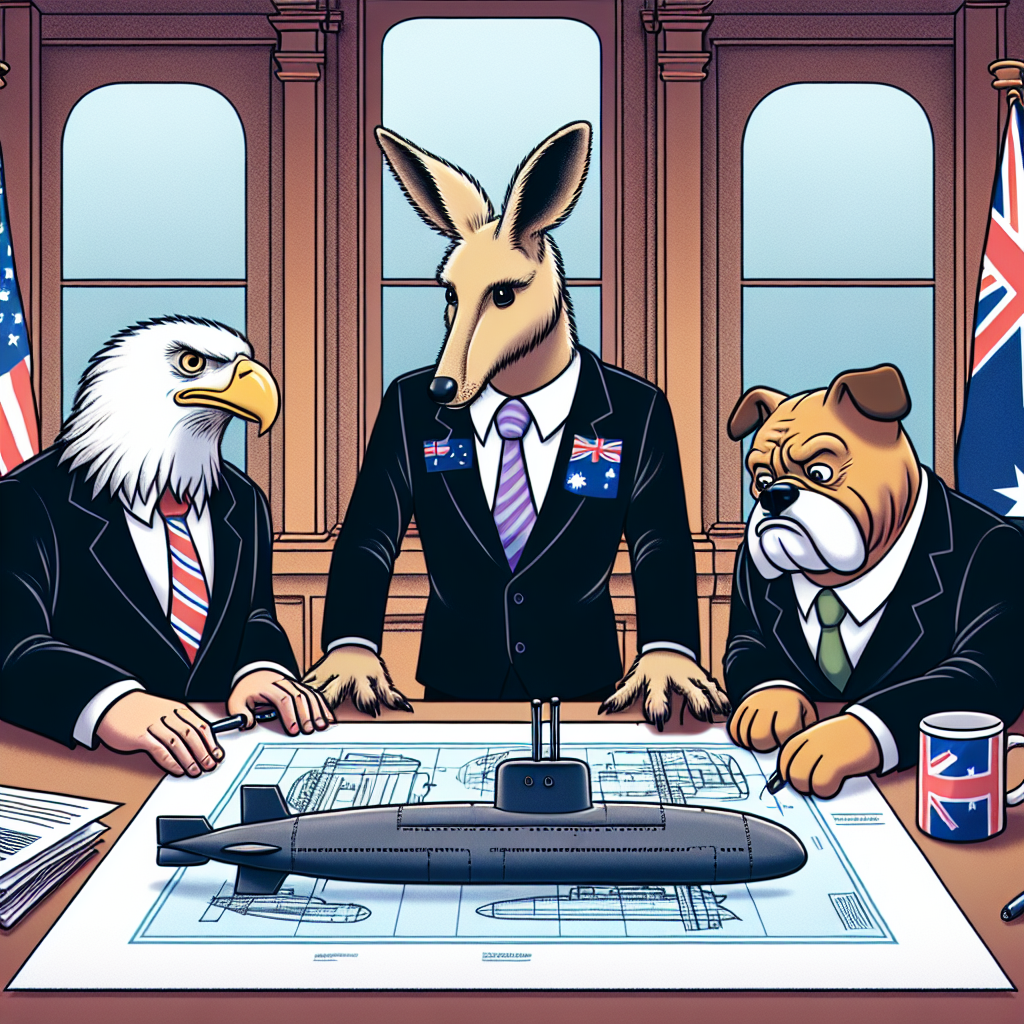
The U.S. move to slash restrictions on transferring military gear and technology with Britain and Australia will bolster the AUKUS security alliance between the three countries, government and industry officials revealed at the Farnborough Airshow.
AUKUS, formed in 2021 to counter China's growing power, includes A$368 billion ($245 billion) to help Australia acquire nuclear-powered submarines. Brian Burton, a senior adviser at the U.S. Defense Department on international and industrial base policy, said at the air show that the goal is to facilitate more efficient collaboration across the three nations' defense industries.
In April, the State Department proposed reducing licensing requirements for transferring military gear and sensitive technology among the United States, Australia, and Britain under AUKUS. The final rule was cleared by the White House regulatory office on July 19 and is set to be published in August. Burton emphasized that these regulatory changes are designed to be lasting and difficult to reverse.
State Department AUKUS senior adviser Matthew Steinhelfer noted AUKUS has strong bipartisan congressional support. “We’re very optimistic that we’re going to implement major, enabling changes for AUKUS,” Steinhelfer stated.
Dak Hardwick, vice president for international affairs at the Aerospace Industries Association, highlighted the significance of the rule change, calling it the biggest modification to the arms export control act since its inception in 1976. Shimon Fhima, director of strategic programmes at Britain's ministry of defense, said the next step involves creating an environment conducive to sharing information and collaboratively purchasing defense materials.
Kylie Wright, Australia’s assistant secretary, defense industry, said they are systematically addressing barriers within all three systems to enable seamless and interoperable collaboration.


 Google News