

Senate Passes Landmark Bill to Shield Children from Harmful Online Content
The Senate has passed a significant bill aiming to protect children from harmful online content. The bill, passed 91-3, seeks to hold tech companies accountable. It mandates that platforms implement safe settings by default and take steps to mitigate risks such as bullying and promoting violence. The House is anticipated to act before January.
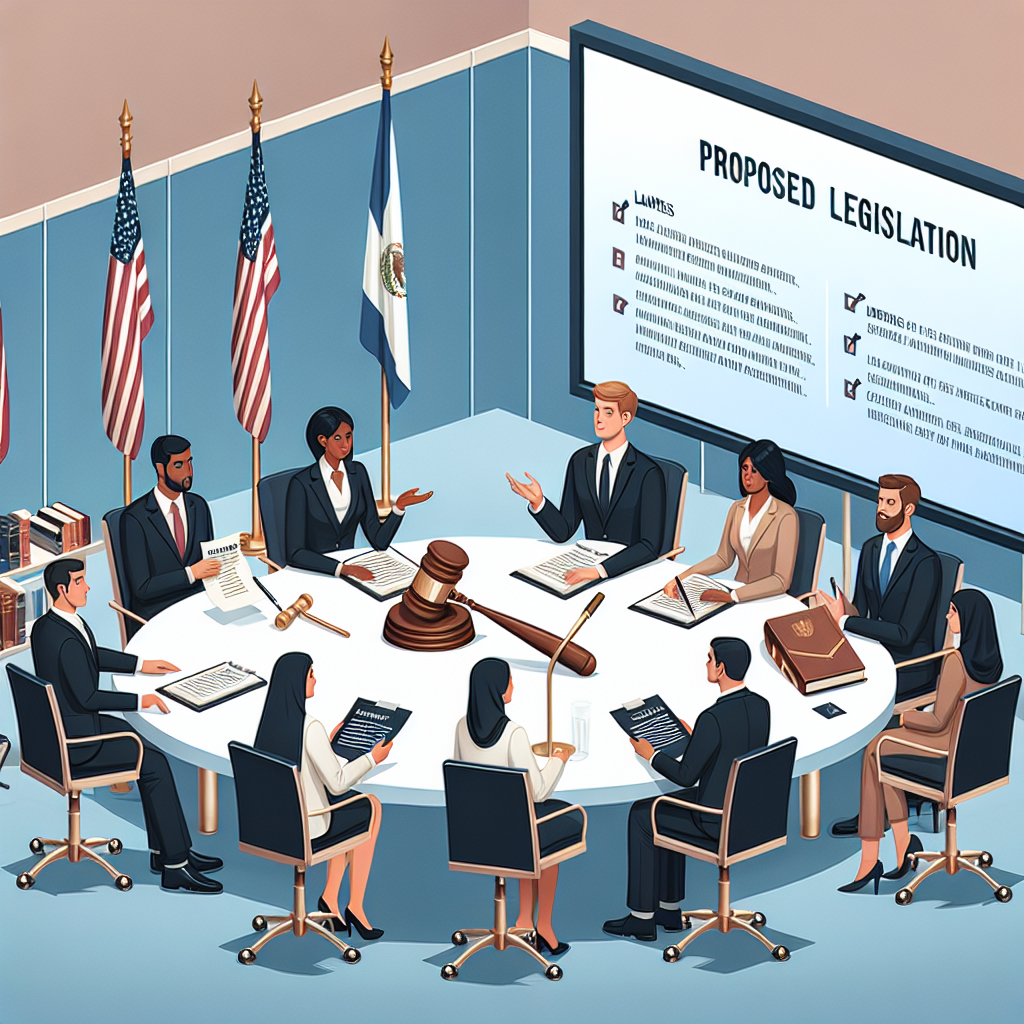
The Senate overwhelmingly passed a significant piece of legislation on Tuesday designed to protect children from harmful online content. This move represents Congress' first major effort in decades to hold tech companies accountable for the potential harm they cause.
The bill, which passed with a 91-3 vote, was largely driven by the parents of children who suffered or died due to online bullying. The legislation mandates that tech companies take reasonable steps to ensure safety on platforms frequented by minors, requiring them to exercise a 'duty of care' and default to the safest settings possible.
Although the House has not yet acted on the bill, Speaker Mike Johnson, R-La., has expressed his commitment to finding a consensus. Advocates hope the strong Senate vote will prompt the House to act before the congressional session ends in January.
According to Democratic Sen. Richard Blumenthal of Connecticut, who co-authored the bill with Republican Sen. Marsha Blackburn of Tennessee, the legislation aims to allow children, teens, and parents to reclaim control of their online lives. The bill is set to be the first major tech regulation package in years and could pave the way for further laws addressing online privacy and artificial intelligence.
If enacted, the legislation will obligate companies to mitigate risks to children, such as bullying, violence, promotion of suicide, eating disorders, substance abuse, sexual exploitation, and illegal product advertisements. Social media platforms will need to provide minors with options to protect their information, disable addictive features, and limit personalized algorithmic recommendations.
Blumenthal and Blackburn emphasize that platforms should be 'safe by design.' While some tech companies like Microsoft, X, and Snap support the bill, Meta has not taken a position. Despite First Amendment concerns and criticisms regarding access to information on LGBTQ+ and reproductive rights, the bill has been revised to address these issues, gaining support from major LGBTQ+ groups.
The legislation also seeks to update child privacy laws, increasing the age for collecting personal information from 13 to 17 and banning targeted advertising to teenagers. It allows teens or their guardians to delete a minor's personal information. Parents of children affected by cyberbullying and other online harms have voiced their support, urging senators to vote for the bill.
Maurine Molak, whose child died after relentless cyberbullying, believes that this bill can save lives and should be a priority over big tech's interests.
ALSO READ
-
UN Experts Warn Children Reporting Sexual Abuse in France Still Face Risks in Court
-
Refugee Protection Nears Breaking Point: UN Funding Cuts Put 8.3 Million Lives at Risk
-
Afghan Lives and Medical Dreams at Risk: UN Urges Pakistan to Halt Forced Returns
-
Withdrawal of ICE Director Nomination: A Surprise Turn
-
Trump Rallies in North Carolina: Republican Senate Hopefuls Struggle


 Google News