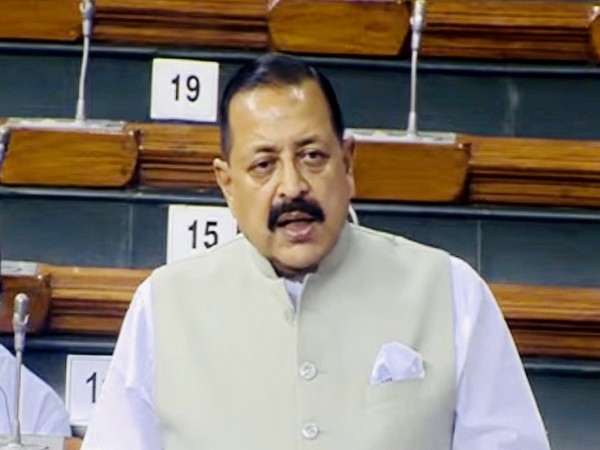
In a recent Lok Sabha session, Dr. Jitendra Singh, Union Minister of State (Independent Charge) for Science and Technology, Earth Sciences, and various other departments, outlined the significant achievements of the CPGRAMS (Central Public Grievance Redress and Monitoring System) reforms. Addressing an Unstarred Question, Dr. Singh detailed how the 10-step CPGRAMS reforms process, adopted in 2022, has markedly improved grievance redressal efficiency and response quality.
The CPGRAMS reforms have introduced several key enhancements:
Universalization of CPGRAMS: All grievance portals of Central Ministries and States have been integrated into a unified system for increased efficiency.
Language Translation and Inclusivity: The system now supports multiple languages, promoting broader accessibility.
Feedback Call Centre: Dedicated call centres have been established to gather citizen feedback, facilitating continuous process improvement.
Technology Enhancement: Advanced technologies, including AI and ML, are used to optimize the grievance handling process.
Performance Benchmarking: The introduction of the Grievance Redressal Assessment Index helps benchmark and improve performance across entities.
Capacity Building: The Sevottam model is used for training grievance officers, ensuring high service delivery standards.
Data Strategy Unit: A dedicated unit manages grievance-related data, supporting data-driven decision-making.
Regular Documentation and Dissemination: Monthly reports track progress and enhance transparency.
These reforms were achieved with the support of several esteemed knowledge partners, including IIT Kanpur, IIT Mumbai, the Centre of Good Governance Hyderabad, and others.
Dr. Singh noted that the government has set a 30-day timeline for grievance redressal, and the average response time adheres to this guideline. As of July 31, 2024, the CPGRAMS portal has 26,22,426 registered citizens and 1,01,209 grievance redressal officers. Most public grievances are addressed within the stipulated 30-day period.
The quality of responses is monitored through a Feedback Call Centre, which operates in 10 regional Indian languages in addition to English and Hindi. Citizens dissatisfied with the initial redressal can appeal to higher-level officers within CPGRAMS. The portal is accessible through Common Services Centres and the UMANG platform for ease of filing grievances.
Dr. Singh emphasized the government's commitment to maintaining high standards in grievance redressal and leveraging technological advancements to enhance the process.


 Google News
RSS
Google News
RSS



