

Aging China: Demographic Crisis and Policy Shifts
China faces a growing demographic crisis as its elderly population hits 300 million, exacerbated by low birth rates and past one-child policy. President Xi Jinping urges focus on elderly care amid economic strains. Policy changes, including altered retirement ages, aim to sustain pension systems.
- Country:
- China
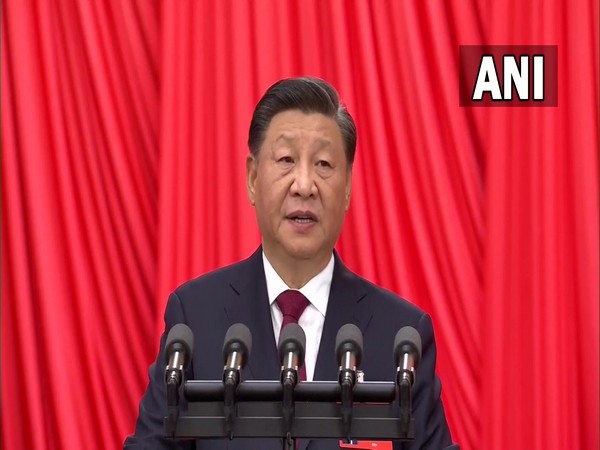
In a directive emphasizing demographic changes, Chinese President Xi Jinping has urged the nation's Communist Party to prioritize the needs of the elderly, a population now nearing 300 million. This call comes as China grapples with the challenges posed by an aging populace and a declining birth rate.
China's elderly count is projected to soar past 400 million by 2035, significantly impacting social services and state finances. Historically restrictive population policies, notably the one-child rule abolished in 2016, have been implicated in creating current demographic pressures.
This demographic shift has pushed China to adjust retirement ages, provoking public discontent. Experts like Huang Wenzheng from the YuWa Population Research Institute highlight the waning pension pool due to an imbalance between contributors and beneficiaries, underscoring the urgent need for strategic reforms.
ALSO READ
-
ILO Report Reveals How to Bring Social Security Within Reach of Informal Workers
-
WTO Sets Up Panel on EU Carbon Border Rules as Russia Challenges Restrictions
-
WHO Brings Global Experts Together to Strengthen Herbal Medicine Quality and Safety
-
Human Cost of Faster Work: Chinese Employees Weigh AI’s Promise Against Pay Fears
-
China's August Disasters Yield $5.38 Billion in Losses


 Google News