

Afghan Women and Girls Face Devastating Ban from Private Medical Education
UN Calls on De Facto Authorities to Reverse Discriminatory Measures Targeting Women’s Rights and Healthcare Access.
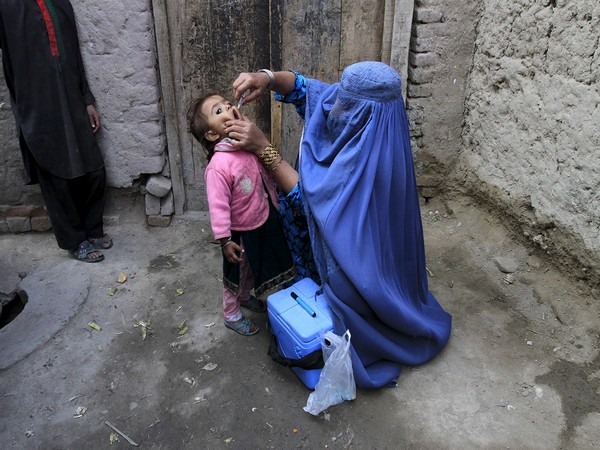
Afghanistan's de facto authorities have issued a new ban prohibiting women and girls from attending private medical institutions, a move described by the UN High Commissioner for Human Rights, Volker Türk, as "profoundly discriminatory and short-sighted." This decision further isolates women from public life, crippling their access to education and exacerbating an already dire healthcare crisis in the country.
The ban eliminates one of the last remaining avenues for Afghan women to pursue higher education. It also threatens the fragile healthcare system by reducing the already limited number of female midwives, nurses, and doctors. With Afghanistan recording one of the world's highest maternal mortality rates, the loss of women in healthcare roles will have catastrophic consequences for maternal and child health.
Afghanistan's strict societal norms and the prohibition on male medical staff treating women without a male chaperone mean that female healthcare professionals are critical. This directive, however, puts Afghan women and girls' lives at risk by further restricting access to essential medical care.
Broader Implications of the Ban
The ban is part of a broader series of discriminatory measures that have systematically erased women and girls from Afghan public life since the de facto authorities assumed power. Women have been barred from attending schools, working in most sectors, and engaging in public life, actions that international observers have condemned as state-sponsored gender apartheid.
"This decision was made without transparency or consultation with those directly affected," Türk said, highlighting the lack of consideration for women's and girls' rights or voices in policy decisions.
Urgent Call for Action
The UN and other international organizations are urging Afghanistan's leadership to reverse this harmful directive immediately. Türk emphasized Afghanistan's obligations under international human rights law to protect the welfare, security, and rights of all citizens.
"It is high time women and girls' human rights are ensured," Türk said, calling on the de facto authorities to uphold their responsibilities to the entire population.
Escalating Humanitarian Concerns
The UN has warned that these discriminatory measures not only violate women's fundamental rights but also deepen Afghanistan's humanitarian crisis. The nation is already grappling with severe economic challenges, and excluding women from education and employment exacerbates poverty and undermines long-term development goals.
International Response
Global human rights advocates have condemned the ban and are exploring mechanisms to hold Afghanistan's leadership accountable. Civil society organizations continue to work in challenging conditions to provide support for Afghan women, but international pressure remains critical.
The Path Forward
To address this crisis, the UN and other stakeholders are calling for a united global response. Recommendations include:
- Pressuring the de facto authorities to repeal discriminatory measures.
- Increasing humanitarian aid specifically targeted at women and girls.
- Amplifying the voices of Afghan women to ensure their perspectives are included in decision-making processes.
The UN's call to action underscores the urgent need to restore Afghan women and girls' rights, safeguard healthcare access, and ensure the country's adherence to international human rights standards.


 Google News