

India's Nuclear Power Capacity Doubles in a Decade, Aims to Triple by 2032
Dr. Singh highlighted that nuclear capacity is projected to triple to 22,480 MW by 2031-32, reflecting the government’s commitment to scaling up clean energy infrastructure.
- Country:
- India
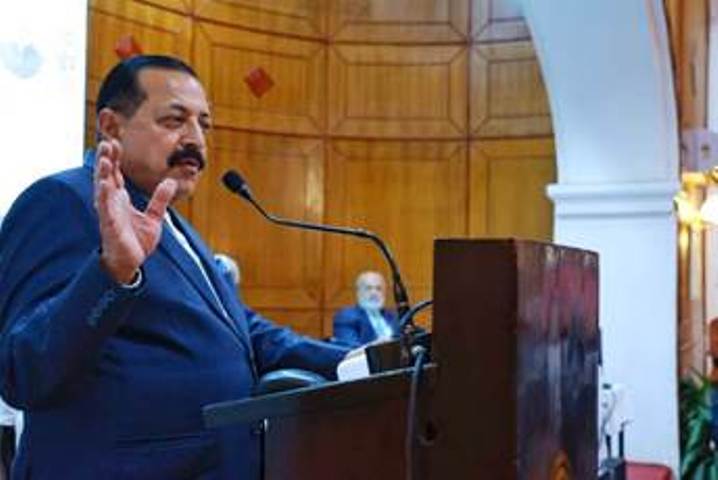
India's nuclear power generation capacity has nearly doubled over the last decade, growing from 4,780 MW in 2014 to 8,180 MW in 2024. The Union Minister of State for Science and Technology, Dr Jitendra Singh, announced this during a discussion in the Lok Sabha, where he outlined key advancements and future plans for the nation's nuclear energy sector.
Dr. Singh highlighted that nuclear capacity is projected to triple to 22,480 MW by 2031-32, reflecting the government's commitment to scaling up clean energy infrastructure. This ambitious growth trajectory is underpinned by strategic policy decisions, technological advancements, and collaborative initiatives.
A revised power distribution framework now ensures that 50% of electricity generated by nuclear plants is reserved for the home state, 35% for neighboring states, and 15% for the national grid. This equitable distribution approach underscores India's federal spirit and ensures wider access to nuclear-generated electricity.
Key Drivers of Progress
The Union Minister attributed this remarkable progress to several transformative initiatives:
- Bulk Approval of 10 Reactors: Streamlined planning and approvals have accelerated project timelines.
- Increased Funding Allocations: Enhanced financial resources have supported the expansion of nuclear infrastructure.
- PSU and Limited Private Participation: Collaboration with public and private sectors has diversified implementation capacity.
- Technological Advancements: Innovations in reactor design and energy efficiency have strengthened India's atomic program.
Applications Beyond Energy
Dr. Singh emphasized the multi-sectoral benefits of atomic energy:
- Agriculture: Development of 70 mutagenic crop varieties using nuclear techniques has boosted agricultural productivity.
- Healthcare: Advanced isotopes for cancer treatment are contributing to improved medical outcomes.
- Defense: Atomic energy processes have been instrumental in producing lightweight, cost-effective bulletproof jackets for the armed forces.
Harnessing Indigenous Resources
India's vast thorium reserves, comprising 21% of the global total, are being tapped through indigenous projects like "Bhavani." This initiative aims to reduce reliance on imported uranium and strengthen self-reliance in nuclear fuel.
Challenges and Ongoing Projects
Dr. Singh acknowledged challenges such as land acquisition, forest clearances, and equipment procurement but assured that the government is actively addressing these issues. Nine atomic power projects are currently under construction, with several others in pre-project stages, marking significant progress in expanding nuclear energy capacity.
Historical Milestones and Global Vision
The Minister noted that the Kudankulam Nuclear Power Plant, among others, gained momentum post-2014 under the leadership of Prime Minister Narendra Modi. He reaffirmed India's commitment to using atomic energy for peaceful purposes, inspired by Dr. Homi Bhabha's vision.
Dr. Singh also aligned the nuclear program with the government's "One Nation, One Government" vision, emphasizing sustainable development and global collaboration.
Looking Ahead
As India positions itself as a global leader in clean energy, its nuclear energy program not only addresses domestic energy demands but also drives innovation and cross-sectoral advancements. The government's focused approach ensures that nuclear energy will play a pivotal role in India's journey toward energy self-sufficiency and sustainable development.
This progress signals India's dedication to achieving its climate goals, strengthening its economic resilience, and improving the quality of life for its citizens.


 Google News