

The Ongoing Impact of Lebanon’s 2024 War on Children: A UNICEF Report Calls for Urgent Global Action
UNICEF has been actively providing support during the conflict and remains committed to rebuilding efforts.
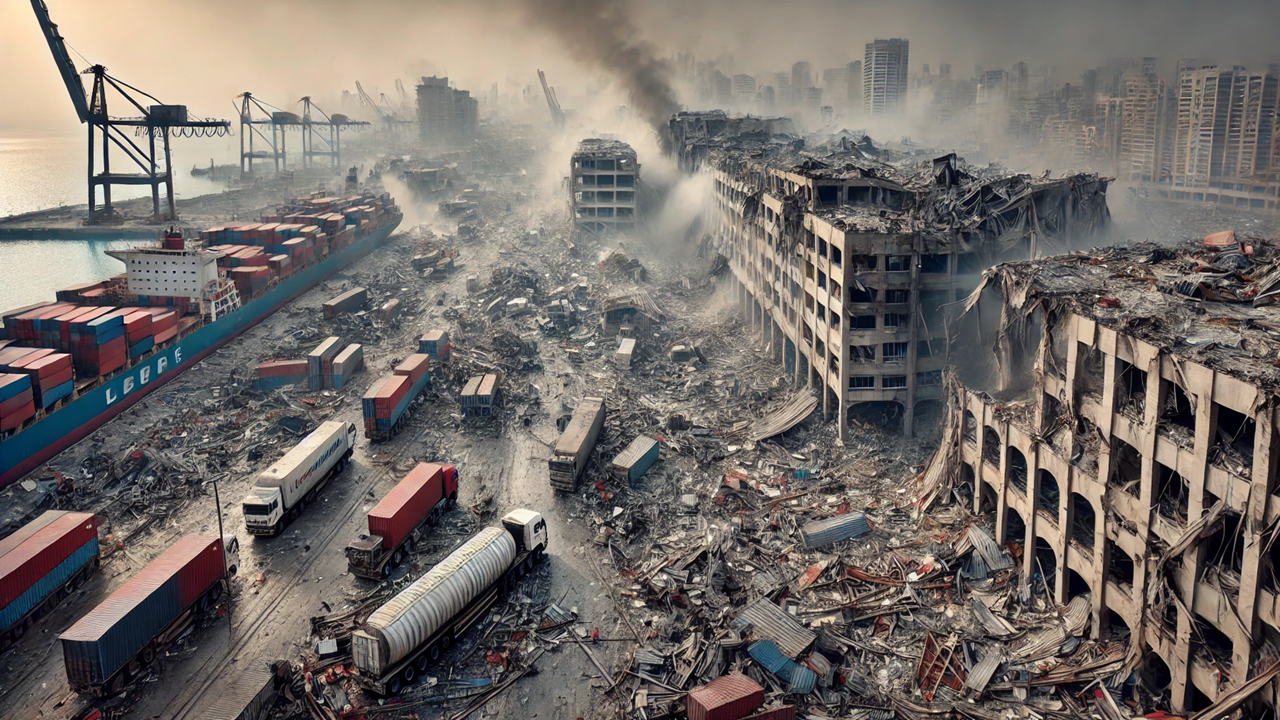
A recent UNICEF report highlights the severe and lasting impact of the latest war in Lebanon on children, despite the ceasefire that took effect in November 2024. The conflict forced thousands of children from their homes, severely damaged infrastructure, and left deep emotional and physical scars that continue to affect their well-being.
"The war has taken a shocking toll on children, affecting almost every aspect of their lives - their health, their education, and ultimately their futures," said Akhil Iyer, UNICEF Representative in Lebanon. "Lebanon's children need urgent support to heal, rebuild their lives, and survive the lasting impacts of this crisis."
According to a UNICEF survey conducted in January 2025, 72% of caregivers reported their children were anxious or nervous during the war, and 62% said their children experienced depression or sadness. While 80% of caregivers noted some improvement since the ceasefire, children who endured prolonged trauma may suffer from long-term health and psychological consequences.
A Nutrition Crisis Worsens in Conflict-Affected Regions
Children's nutrition in Lebanon has reached alarming levels, especially in heavily affected areas such as Baalbeck-Hermel and Bekaa governorates. The UNICEF report found:
- 51% of children under two in Baalbeck-Hermel are experiencing severe food poverty.
- 45% of children under two in Bekaa suffer from severe food poverty, a sharp rise from 28% in 2023.
- 49% of children under 18 in Bekaa and 34% in Baalbeck-Hermel had either no meals or only one meal on the day before the survey was conducted.
- Nationwide, 30% of children experienced food insecurity.
Poor nutrition not only weakens immune systems but also hampers cognitive development, putting children at greater risk of life-threatening malnutrition.
Education System in Crisis
Lebanon's education system, already weakened by economic collapse, teacher strikes, and COVID-19 disruptions, suffered further devastation during the war. Schools were damaged, and hundreds were repurposed as shelters for some of the 1.3 million internally displaced people.
Even after the ceasefire, school attendance remains low:
- 25% of children are still out of school, compared to 65% during the war.
- Two-thirds of families cite financial barriers—including school fees, transportation, and materials—as reasons for keeping their children out of school, a number that has doubled since 2023.
A Struggle for Basic Necessities
The war and economic collapse have left families struggling to meet essential needs. The report highlights:
- 45% of households cut spending on health, and 30% on education to afford basic necessities.
- 31% of households lacked sufficient drinking water.
- 33% of households did not have access to necessary medications for their children.
- 22% of households lacked any heating source during the winter.
A Call for Urgent Action
Lebanon faces monumental challenges in recovering from the war and years of political and economic instability. UNICEF has been actively providing support during the conflict and remains committed to rebuilding efforts.
"This data provides undeniable evidence of the critical need to act now," said Iyer. "Lebanon must receive the help it requires to restore vital infrastructure and services, ensuring that children have a future to look forward to. At this fragile and defining moment in Lebanon's history, we cannot afford to wait."
UNICEF calls on all parties to uphold the ceasefire, engage in long-term peace efforts, and prioritize children's rights and well-being. The agency urges the international community to support Lebanon's recovery and contribute to its 2025 appeal of US$658.2 million, aimed at delivering lifesaving assistance to 2.4 million people across the country.
As Lebanon struggles to heal from the devastating war, global support is crucial to securing a safer, healthier, and more hopeful future for its children.
ALSO READ
-
El Niño Threatens 347 Million Children as Floods and Droughts Put Their Futures at Risk
-
Lebanon’s Children Cannot Lose More of Their Childhood, UNICEF Chief Urges Action
-
Sudan Shelter Drone Strike Reportedly Kills a Boy and Injures 12 Children
-
Syria’s Returning Children Need Schools, Care and Safe Water to Rebuild Lives
-
Lebanon’s Children Face Hunger, Lost Schooling and Work as Families Reach the Brink


 Google News