

Democratization of Civil Services: Dr. Jitendra Singh Highlights Inclusivity and Governance Transformation at Next Gen Conclave
Reflecting on India’s post-Independence journey, Dr. Singh noted that governance in the country underwent a fundamental shift after August 15, 1947.
- Country:
- India
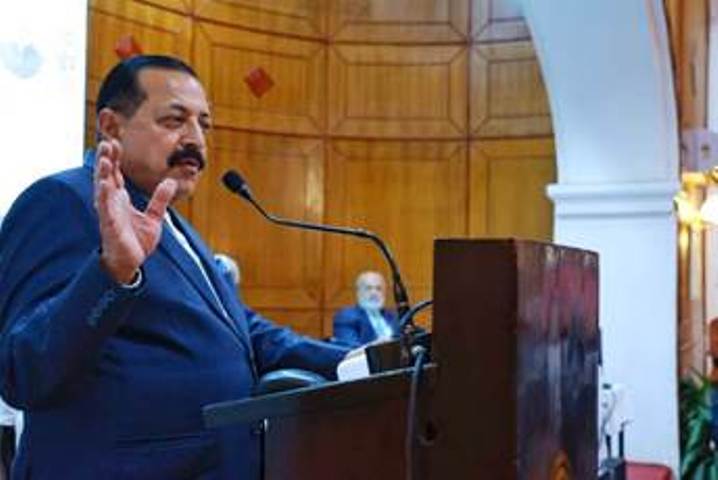
Union Minister of State for Personnel, Public Grievances and Pensions, Dr. Jitendra Singh, emphasized the significant democratization of the Indian Administrative Service (IAS), asserting that it is no longer confined to an elite section of society. Speaking at the Indian Express Next Gen Conclave during the "Excellence in Governance Awards" on Tuesday, Dr. Singh highlighted the increasing diversity within Civil Services, ensuring broader accessibility for aspirants from varied socio-economic backgrounds.
Evolution of Governance and Civil Services
Reflecting on India's post-Independence journey, Dr. Singh noted that governance in the country underwent a fundamental shift after August 15, 1947. He criticized the remnants of the British-era Indian Civil Services (ICS) model, which evolved into the modern IAS. The role of the District Collector, once primarily focused on revenue collection, has transformed into that of a "District Development Commissioner (DDC)," spearheading development initiatives and driving change at the grassroots level.
Dr. Singh acknowledged that traces of colonial attitudes lingered in the initial years, where civil servants maintained a certain detachment from the public. However, he underscored that today's administration is far more interactive. "In several districts, it is now common to witness citizens actively voicing their grievances and concerns in front of public institutions. This reflects a major shift in governance, where civil servants are far more accessible," he stated.
Inclusivity and Gender Representation in Civil Services
A key highlight of Dr. Singh's address was the growing inclusivity within Civil Services. He celebrated the increasing representation of women in leadership positions, noting their consistent success in securing top ranks across the country. He attributed this shift to India's commitment to gender equality and empowerment, which has enabled women from all backgrounds to aspire to and achieve success in administrative roles.
Integrity, Transparency, and Ethical Governance
Dr. Singh reiterated the importance of integrity in public service, urging civil servants to uphold ethical conduct, honesty, and accountability in their daily professional lives. He pointed out that modern governance is characterized by increased transparency and good governance practices, which are crucial in ensuring trust and efficiency in public administration.
One of the key initiatives discussed was the three-month tenure for IAS probationers as Assistant Secretaries in various ministries. This exposure, he explained, provides new officers with firsthand experience in policymaking at the central level, enriching their understanding of governance mechanisms before they assume their responsibilities in the field.
Advice for Civil Service Aspirants and Their Parents
In closing, Dr. Singh addressed a crucial concern for civil service aspirants and their families. He urged parents to reconsider expensive coaching programs, emphasizing that success in Civil Services does not necessarily require costly preparations. Drawing from his own experiences, he pointed out that many successful candidates hail from government schools like Navodaya Vidyalayas and Kendriya Vidyalayas, proving that dedicated self-study and perseverance often yield the best results.
The minister's remarks reinforced the evolving landscape of Civil Services in India, highlighting its transformation into a more inclusive, accountable, and people-centric institution. His address at the Next Gen Conclave underscored the ongoing efforts to modernize governance and make administrative services more representative of India's diverse population.


 Google News