

The Lasting Impact of Obergefell v. Hodges: Ten Years Later
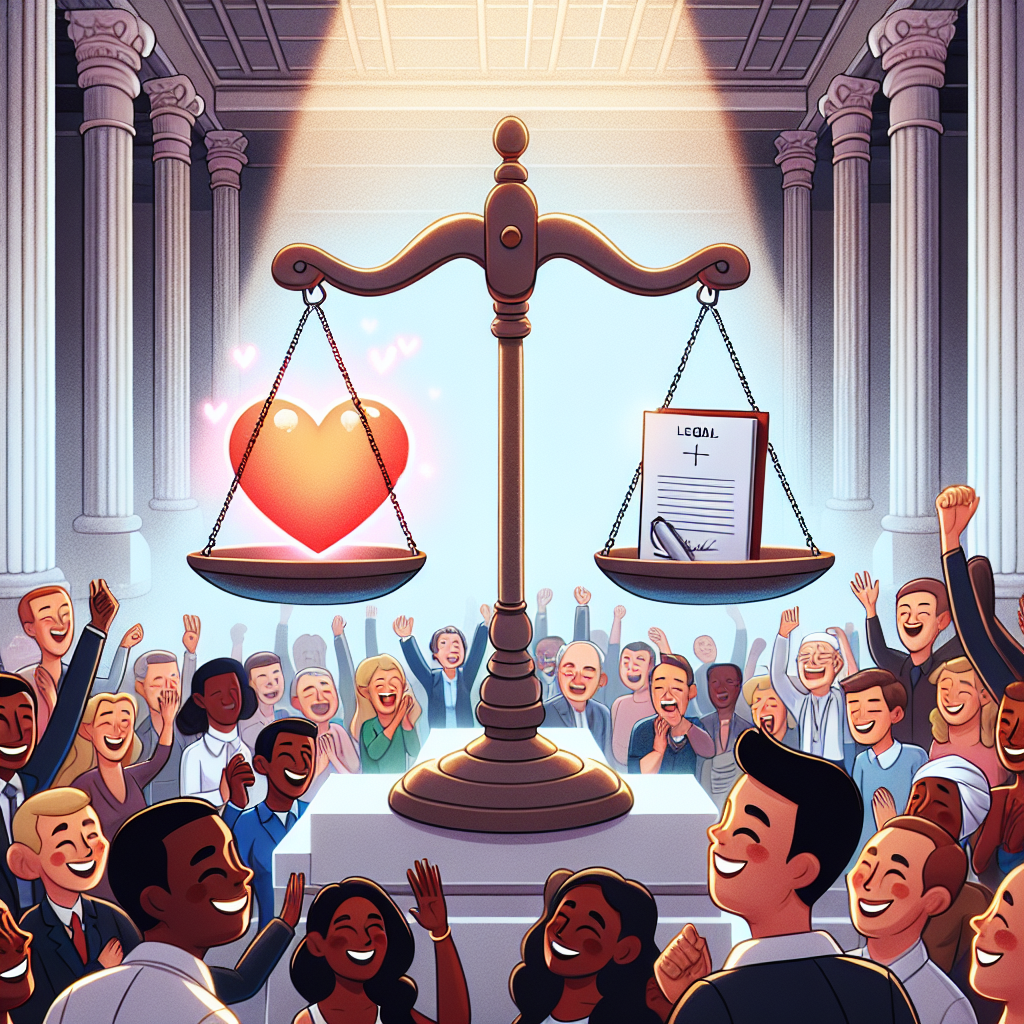
Ten years after the landmark Supreme Court ruling legalizing same-sex marriage in the U.S., the Obergefell v. Hodges decision continues to shape the nation's legal and social landscape. While same-sex marriages have more than doubled, challenges and dissent remain, reflecting ongoing debates about LGBTQ+ rights.
- Country:
- United States
A decade after the historic Supreme Court ruling in Obergefell v. Hodges, which legalized same-sex marriage across the United States, its impact continues to resonate. The Obergefell decision transformed the legal landscape for LGBTQ+ rights, affirming marriage as a fundamental right under the U.S. Constitution's Fourteenth Amendment.
Despite the ruling's affirmation of legal rights, opposition persists. Kim Davis, a former Kentucky clerk, remains a symbol of dissent with her refusal to issue marriage licenses on religious grounds. Legal challenges to Obergefell's legacy also arise, as some states and institutions advocate reversal or non-recognition of same-sex marriages.
Public sentiment has shifted significantly over the past decade, with approximately 68% of Americans now supporting the legality of same-sex marriages. As debates continue, the durability of these legal protections remains crucial for the future of LGBTQ+ rights in the United States.


 Google News