

UN Rights Chief Condemns US Sanctions on ICC Officials as Assault on Justice
Türk stressed that the imposition of sanctions on judges and prosecutors—whether at the national, regional, or international level—corrodes the rule of law and justice systems globally.
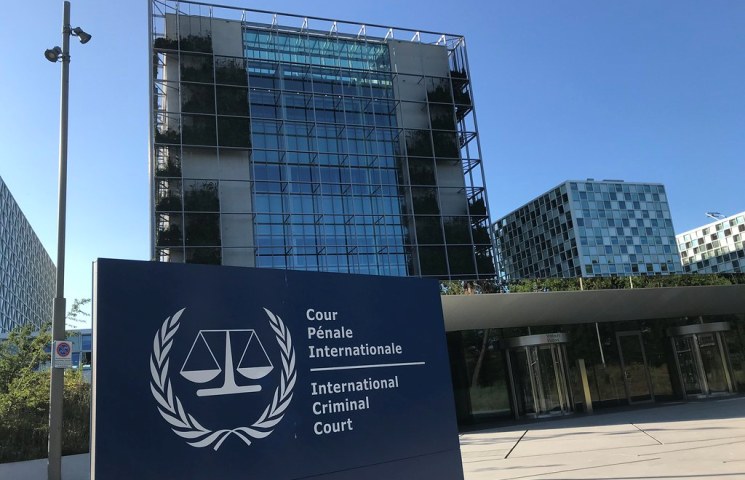
UN High Commissioner for Human Rights Volker Türk issued a strong rebuke on Thursday against the United States' imposition of new sanctions targeting officials of the International Criminal Court (ICC). The measures, which include restrictions against two judges and two deputy prosecutors announced on Wednesday, have drawn international concern for undermining the independence of global justice mechanisms.
"The relentless intensification of US reprisals against international institutions and their personnel must stop," Türk said, warning that sanctioning judicial officials for carrying out their duties represents an attack on international law itself.
Erosion of the Rule of Law
Türk stressed that the imposition of sanctions on judges and prosecutors—whether at the national, regional, or international level—corrodes the rule of law and justice systems globally.
"Sanctioning judges and prosecutors at national, regional or international levels, for fulfilling their mandate in accordance with international law standards, is an assault on the rule of law and corrodes justice," he stated.
In addition to the four newly sanctioned individuals, four other ICC judges and one prosecutor had previously been targeted by US sanctions. The measures also extend to a UN Special Rapporteur on the situation in the Occupied Palestinian Territory, raising fears of escalating pressure on international accountability efforts.
Call for Withdrawal and International Protection
The High Commissioner urged the United States to withdraw all sanctions immediately, stressing that judicial and human rights officials must be able to operate free from intimidation and political pressure.
"In the meantime, I call on States to take immediate steps to protect all of them, including by taking measures to encourage corporations operating within their jurisdiction not to implement the sanctions against these individuals," Türk said.
He emphasized that states have a collective duty to defend the international institutions they established to uphold human rights and the rule of law. "Those working to document, investigate and prosecute serious violations of international law should not have to work in fear," he warned.
Wider Implications for International Justice
The latest sanctions are widely interpreted as a direct response to the ICC's investigations into possible war crimes and crimes against humanity, including those in the Occupied Palestinian Territory and potentially involving US allies. Critics argue that these measures represent an attempt to shield individuals from accountability by discrediting the very institutions designed to uphold international justice.
Observers warn that if left unchecked, reprisals of this nature could set a dangerous precedent, discouraging courts and rights bodies from pursuing sensitive investigations for fear of political or financial retaliation.
Growing International Concern
Human rights organizations and international law scholars have echoed Türk's concerns, stressing that judicial independence is fundamental to the credibility of international justice. They argue that targeting judges and prosecutors not only threatens specific cases under investigation but also undermines the integrity of the Rome Statute system—the treaty framework that established the ICC.
Calls are mounting for the international community to establish stronger protective mechanisms for judges, prosecutors and UN-appointed experts, ensuring that they are shielded from political and economic retaliation while carrying out their duties.
Defending Justice Amid Political Pressure
Türk's remarks highlight the broader challenge facing international justice systems in an era of heightened geopolitical rivalries. While some states have openly supported ICC investigations, others have resisted, particularly when scrutiny extends to their own actions or those of close allies.
By urging states to "step up to defend the institutions they have created", the UN rights chief underscored the need for renewed global solidarity to safeguard the independence and impartiality of international courts.
ALSO READ
-
Myanmar Market Airstrikes Kill at Least 50 as UN Urges Malaysia to Halt Deportations
-
Colombia’s Former Enemies Join Search for Disappeared as UN Praises Victim Justice
-
UN Lists 214 Companies Linked to Israeli Settlements, Urges Action on Human Rights
-
Ethiopia Fighting Hits Schools and Cuts Lifelines as UN Warns Against Return to War
-
Colombia’s Tougher Drug Crackdown Could Deepen Racism Against Afro-Colombians


 Google News