

Justice Minister Moves to Open Sex Offenders Register to Public Through Law Reform
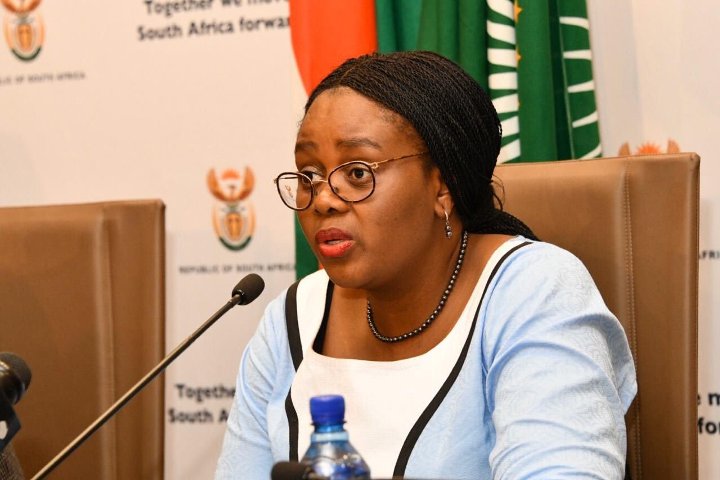
“Government remains committed to safeguarding children and vulnerable persons by ensuring the NRSO is accessible in a lawful and responsible manner,” Kubayi said.
- Country:
- South Africa
South Africa is moving a step closer to making the National Register for Sex Offenders (NRSO) publicly accessible, after Minister of Justice and Constitutional Development, Mmamoloko Kubayi, directed her department to initiate the necessary legislative changes.
The announcement was made during the Minister's oral replies in the National Assembly on Wednesday, marking a significant shift in government's approach to strengthening protections for children and vulnerable groups against sexual abuse.
Legal Barriers to Public Access
Currently, the NRSO is not open to the public due to legal restrictions contained in Section 52 of the Criminal Law (Sexual Offences and Related Matters) Amendment Act. This section makes it a criminal offence to publish the register except under very limited circumstances—either to give effect to the Act or when ordered to do so by a competent court.
Earlier this year, the Office of the Chief State Law Advisor (OCSLA) clarified that the Minister does not have the authority to unilaterally publish the register. The legal opinion concluded that only a law of general application could authorise such a move, particularly because publication impacts the rights of individuals listed on the register.
Minister's Directive and Next Steps
In response, Kubayi has instructed her department to prepare draft legislative amendments that will allow for public access. She emphasised that the process must be done in a lawful and responsible manner, balancing the protection of victims and vulnerable people with constitutional rights.
"Government remains committed to safeguarding children and vulnerable persons by ensuring the NRSO is accessible in a lawful and responsible manner," Kubayi said.
Phased and Responsible Access
The Minister outlined a phased approach that prioritises immediate access for institutions working with vulnerable groups, such as schools, daycare centres, and care facilities. This would support their vetting processes when hiring staff or approving volunteers.
To make this effective, the Department of Justice plans to expand capacity within the Registrar's office, including at provincial levels, to ensure that applications for access are processed swiftly and efficiently.
Stakeholder Engagement and Collaboration
Kubayi confirmed that the department will consult widely with key stakeholders, including the Departments of Basic Education, Higher Education and Training, and the South African Police Service. These consultations aim to better understand the practical implications and ensure a coordinated response across government.
In addition, the department will work with the Information Regulator and other legal experts to ensure that privacy, data protection, and constitutional considerations are fully addressed before making the register public.
Draft Amendment Bill in Progress
A draft amendment bill has already been prepared and is currently undergoing internal consultation within the Department of Justice. Once expert and stakeholder consultations are finalised, the bill will be tabled before Parliament for consideration through the legislative process.
Kubayi assured lawmakers that the reform is not merely symbolic, but a serious step toward reinforcing accountability and providing communities with tools to safeguard vulnerable groups.
Protecting the Most Vulnerable
The planned legislative changes reflect growing public demand for stronger measures to protect children and vulnerable persons against sexual crimes. By enabling controlled public access to the NRSO, the government hopes to enhance vetting mechanisms, deter offenders, and build safer communities.
The outcome of the parliamentary process in the coming months will determine how and when South Africans will gain access to this critical register.


 Google News