

UN Rights Chief Welcomes UK-Ireland Joint Framework on Troubles Legacy
After the Good Friday Agreement brought peace, efforts to address the conflict’s legacy continued through initiatives such as the Stormont House Agreement of 2014.
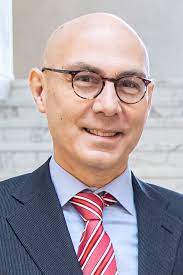
The UN High Commissioner for Human Rights, Volker Türk, has welcomed the announcement of a new Joint Framework between the Government of the United Kingdom and the Government of Ireland, calling it a "positive and important step" towards addressing the long-standing human rights impacts of The Troubles. The conflict, which spanned three decades, ended in April 1998 with the signing of the Good Friday Agreement, but unresolved issues of accountability, justice, and reconciliation have remained.
Background: From Stormont to the Troubles Act
After the Good Friday Agreement brought peace, efforts to address the conflict's legacy continued through initiatives such as the Stormont House Agreement of 2014. However, many of its provisions were never implemented. In September 2023, the UK Parliament enacted the Northern Ireland Troubles (Legacy and Reconciliation) Act, which drew heavy criticism from victims' groups, human rights advocates, and international observers.
The Act introduced a conditional immunity scheme for perpetrators of serious crimes and placed sweeping restrictions on civil proceedings related to Troubles-era cases. Critics argued that it undermined victims' right to justice, truth, and reparations. In response to these concerns, London and Dublin reached consensus on a new Joint Framework to replace problematic provisions and revive trust in legacy processes.
Key Provisions of the Joint Framework
The new framework marks a significant departure from the controversial Troubles Act. Its main commitments include:
-
Abolishing Conditional Immunity: Perpetrators of serious human rights violations will no longer be shielded from accountability through immunity schemes.
-
Restoring Access to Justice: The framework lifts prohibitions on civil proceedings and allows victims, survivors, and their families to pursue legal remedies.
-
Establishing a Legacy Commission: A strengthened body with powers to conduct independent investigations, capable of leading to criminal prosecutions.
-
Enhancing Oversight and Transparency: A new Oversight Board will help ensure impartiality, while a statutory Victims and Survivors Advisory Group will guarantee meaningful participation by those most affected.
-
Guaranteeing Reparations: Victims and survivors will have greater access to truth-seeking mechanisms and compensation measures.
UN's Call for Victim-Centered Implementation
Volker Türk emphasized that the new framework provides a "genuine opportunity to respect and honour the rights of victims and survivors, rebuild trust, advance reconciliation, and promote accountability." He stressed that victims must be at the center of decision-making, including in legislative reforms and the appointment of officials overseeing legacy processes.
The High Commissioner urged both governments to ensure that the framework fully aligns with international human rights standards, particularly the right to truth, justice, effective remedy, and reparations.
Almost Three Decades After Peace: The Urgency of Action
While peace has held in Northern Ireland since 1998, many victims' families have waited decades for clarity and justice regarding conflict-era abuses. Türk stressed that swift and decisive action is required to translate commitments into results: "Almost three decades after peace was achieved, it is now time for victims and survivors to receive truth and justice, and for all communities to achieve lasting reconciliation."
Looking Ahead
The success of the Joint Framework will depend on effective implementation, inclusive participation, and political will from both London and Dublin. It is seen not only as a means of addressing past injustices but also as a mechanism for healing divisions and strengthening peace in Northern Ireland.
If enacted with integrity, the framework could serve as a model for post-conflict accountability worldwide, reaffirming the importance of reconciliation grounded in human rights.
ALSO READ
-
Women Earn 18% Less as ILO Chief Calls for Urgent Action to Close the Gender Pay Gap
-
Political Tensions Rise: Assault on Irish Politician Sparks Democracy Concerns
-
Ireland's Eurovision Boycott: A Stand for Gaza
-
Ireland Withdraws from Eurovision: A Stand for Gaza
-
Ireland Withdraws from 2027 Eurovision Citing Gaza Crisis


 Google News