

Sharaa's Struggle: Navigating Power and Corruption in Post-War Syria
Syrian President Ahmed al-Sharaa faces significant challenges transitioning from insurgency to governance after ousting Bashar al-Assad. His attempts to curb corruption, address sectarian violence, and prevent the replication of Assad's regime's corruption are in the spotlight. Sharaa's reliance on relatives highlights governance difficulties amid a post-conflict Syria.
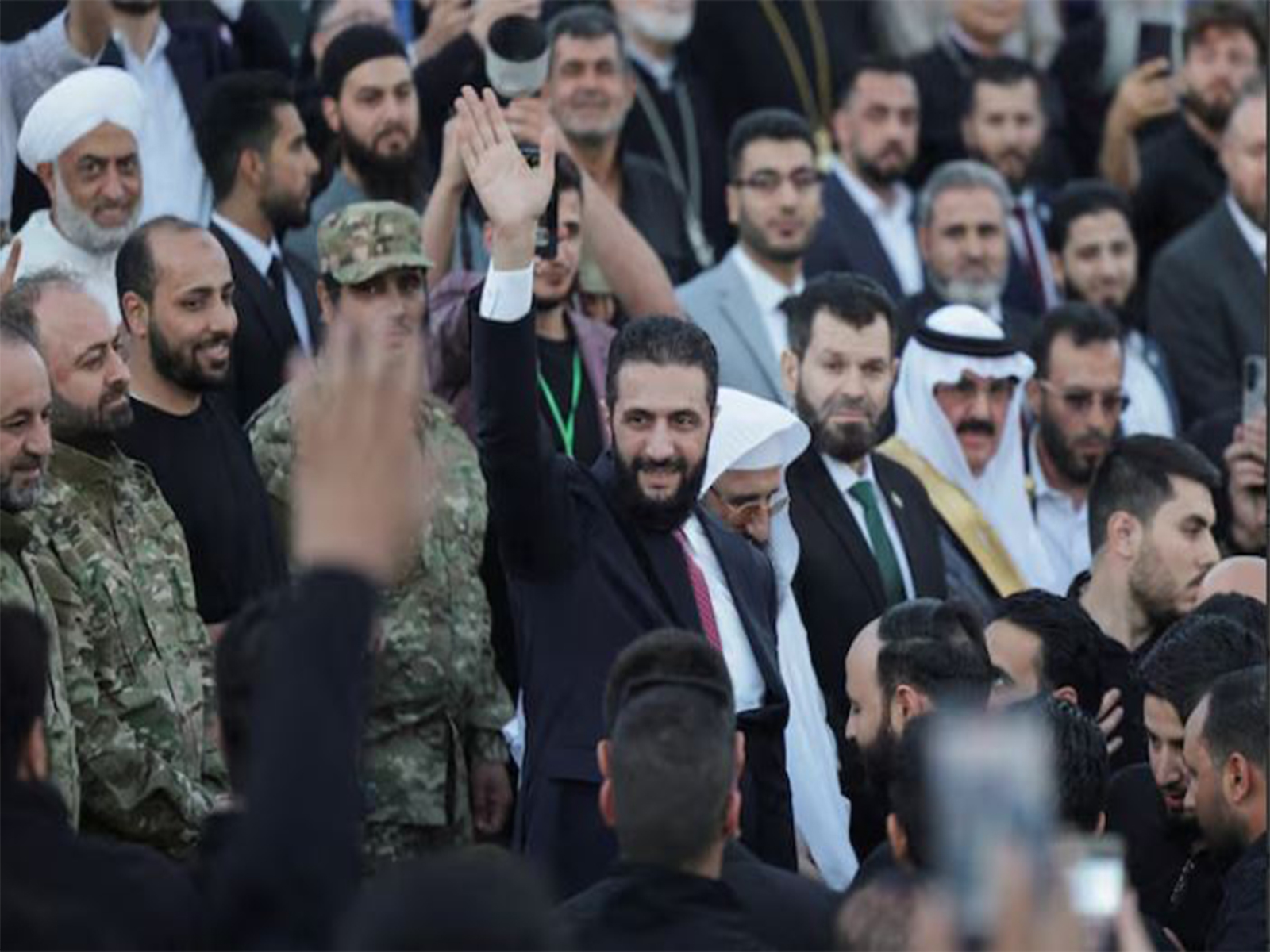
Syrian President Ahmed al-Sharaa has been grappling with the intricacies of state leadership since toppling his predecessor, Bashar al-Assad. Over the past ten months, he has undertaken the complex task of transforming a nation marred by 14 years of civil war.
One pressing issue for Sharaa is mitigating the endemic corruption that plagued Assad's governance. During a recent meeting in Idlib, he sternly advised officials to relinquish luxury cars, symbolizing the spoils of war. This gesture is part of his campaign to cleanse the state's image and gain both domestic and international legitimacy.
Sharaa's governance strategy has raised eyebrows due to his appointment of family members to key positions. Critics parallel this to the nepotistic tendencies of the previous regime. As Syria steps into a new era, Sharaa's success hinges on differentiating his administration by vigorously pursuing transparency and mitigating familial influences on state affairs.
ALSO READ
-
Najib Razak's House Arrest: A New Chapter in Malaysia's Political Drama
-
Royal Pardon: Najib Razak's Last Bid for Freedom
-
Syrian Ex-Official Sentenced for Torture in U.S. Landmark Case
-
Syria's Diesel Deal: A Government's Strategic Shift Amid Crisis
-
Parliament Lifts Immunity of Ex-EU Commissioner Amid Qatargate Scandal


 Google News