

UN Experts Urge Malaysia to Release Jailed Trans Trafficking Victim with Disability
As Thanakorn Sinsanoi’s health continues to decline behind bars, global pressure is mounting on Malaysian authorities to correct what many see as a grave miscarriage of justice.
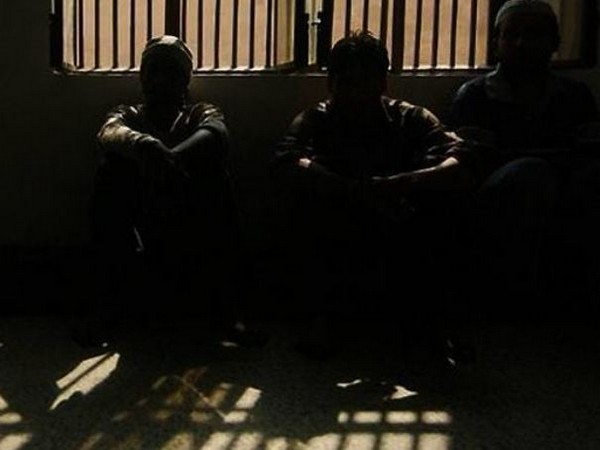
United Nations human rights experts have issued a strong appeal to the Malaysian government, urging the immediate release of Thanakorn Sinsanoi, a transgender woman with disabilities who is currently serving a 30-year prison sentence in a male correctional facility. The experts argue that Malaysia failed to assess critical signs of human trafficking, potentially violating international obligations to protect victims rather than criminalize them.
The Case of Thanakorn Sinsanoi
Thanakorn Sinsanoi was arrested on 13 July 2013 at Kuala Lumpur International Airport on drug trafficking charges. She was subsequently sentenced to 30 years in prison and is now serving her term in a male prison facility, despite being a transgender woman with serious health and mobility issues.
According to the UN experts, Sinsanoi's physical and mental health have deteriorated significantly during her incarceration. She now relies entirely on fellow inmates for daily tasks, including mobility, hygiene, and personal care, as her disability prevents her from caring for herself independently.
Concerns Over Human Trafficking Indicators
UN experts have raised urgent concerns about whether Sinsanoi may have been a victim of human trafficking, specifically for the purpose of forced criminality—a situation in which trafficked individuals are coerced into committing crimes by their traffickers.
"Failure to properly assess the human trafficking signs indicating that Thanakorn Sinsanoi could be a victim of trafficking may have resulted both in denial of the right to protection and assistance to a trafficking victim, and in a failure to apply the non-punishment principle," the experts stated.
The principle of non-punishment, recognized under international human rights law, holds that trafficking victims should not be prosecuted or punished for unlawful acts committed as a direct consequence of their trafficking situation.
Malaysia's Response and Ongoing Detention
The UN experts acknowledged the Malaysian Government's recent efforts, including a petition submitted by the Malaysian Prison Department to the Selangor State Pardons Board in November 2024, requesting clemency on the basis of Sinsanoi's severe health condition.
However, despite the petition, Sinsanoi remains in prison, and her condition is reportedly worsening.
"Ms. Sinsanoi remains in prison, her health continues to deteriorate, and her life is at risk," the UN experts warned.
UN Calls for Urgent Action
In a formal communication to Malaysian authorities, a group of UN Special Rapporteurs and human rights mechanisms reiterated the State's obligation to identify, assist, and protect victims of trafficking, particularly those who are vulnerable due to disability, gender identity, or medical condition.
"We urge the authorities to immediately release and refer Ms. Sinsanoi to appropriate support services," the experts said.
They also stressed that Malaysia must urgently review the case in line with international human rights standards, particularly under the Protocol to Prevent, Suppress and Punish Trafficking in Persons, Especially Women and Children, to which Malaysia is a party.
Broader Implications for Human Rights in Malaysia
The case of Thanakorn Sinsanoi has broader implications for LGBTQ+ rights, disability rights, and trafficking victim protections in Malaysia. International observers have repeatedly raised concerns over:
-
The criminalization of vulnerable trafficking victims
-
The lack of gender-sensitive detention practices
-
Inadequate access to medical care in prison facilities
-
Barriers to justice for transgender individuals and persons with disabilities
Malaysia has made some strides in addressing human trafficking, but cases like this reveal gaps in enforcement, identification, and victim support systems.
A Call for Justice, Dignity, and Reform
As Thanakorn Sinsanoi's health continues to decline behind bars, global pressure is mounting on Malaysian authorities to correct what many see as a grave miscarriage of justice.
The UN experts' appeal is a reminder of the international community's expectations: that no victim of trafficking—particularly someone as vulnerable as Sinsanoi—should be further punished by the state, and that human rights must remain at the core of any justice system.


 Google News