

PSC Flags Grievance Backlog and Late Invoice Payments in Public Service
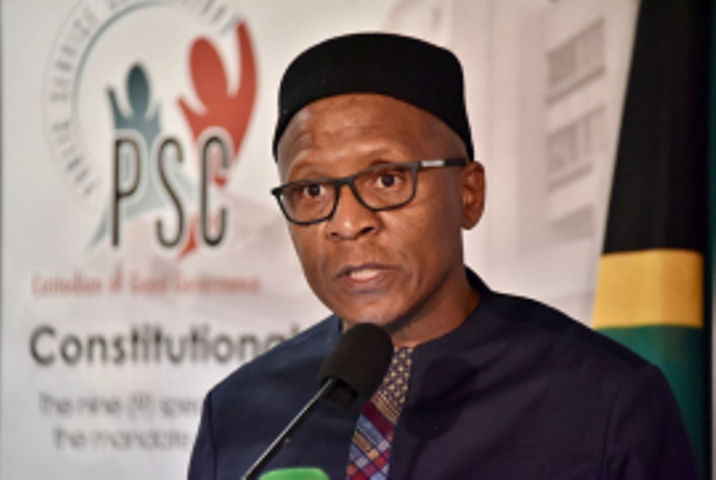
According to PSC Commissioner Anele Gxoyiya, the 300 grievances received included 112 cases carried over from the previous financial year.
- Country:
- South Africa
The Public Service Commission (PSC) has reported receiving a total of 300 staff grievances by 30 September 2025, shedding light on persistent issues of unfair treatment, salary disputes, and poor performance management within national departments. The PSC also raised red flags about the late payment of supplier invoices, which continues to flout legislative financial requirements and undermine service delivery.
Grievance Management: Mixed Progress
According to PSC Commissioner Anele Gxoyiya, the 300 grievances received included 112 cases carried over from the previous financial year. Of the total:
-
151 grievances (50%) were concluded
-
149 remain pending as of end-September 2025
Breakdown of the 151 finalised grievances:
-
13 (9%) were substantiated, indicating legitimate employee concerns
-
4 were partially substantiated
-
37 (25%) were found to be unsubstantiated
-
17 (11%) were internally resolved following PSC intervention
-
80 (53%) were closed due to various factors, including withdrawal by complainants, resolution at departmental level, or concurrent proceedings in labour forums, such as:
-
Sectoral bargaining councils
-
Commission for Conciliation, Mediation and Arbitration (CCMA)
-
Labour courts
-
Who Is Lodging the Grievances?
The grievances included:
-
278 from employees at salary levels 2–12
-
22 from Senior Management Service (SMS) members
Among the 278 lower-level grievances, 144 cases were resolved, with an impressive 130 (90%) concluded within the stipulated 150 working-day timeframe.
From the 22 SMS grievances, only 7 were finalised, of which 6 (86%) met the 150-day requirement.
Despite these timelines, Gxoyiya expressed concern about departmental non-compliance with Resolution 14 of 2002 (grievance procedure for salary levels 2–12) and Chapter 10 of the SMS Handbook, both of which mandate specific deadlines for grievance processing.
"Poor compliance by departments with prescribed grievance timeframes remains a concern," said Gxoyiya.
Late Payment of Invoices: A Regressive Trend
Beyond internal labour matters, the PSC also highlighted a troubling increase in the late payment of supplier invoices—a violation of the Public Finance Management Act (PFMA).
According to the National Treasury's Annual Report on Late Payments for 2024/25:
-
143,245 invoices were paid after 30 days by national departments, totalling R6.4 billion
-
This reflects a 32% regression, or 34,328 more late payments, compared to the previous year (2023/24)
Additionally, as of end-March 2025, 2,437 invoices older than 30 days remained unpaid, valued at R381 million.
"These departments are the main contributors of late or non-payment of invoices," Gxoyiya stated.
Departments in Compliance and Those Falling Behind
Despite this decline, 15 out of 40 national departments achieved full compliance, paying all invoices within 30 days, with no outstanding invoices recorded for the review period. This translates to a compliance rate of 38%.
However, the number of unpaid invoices older than 30 days increased from 1,427 at the end of 2023/24 to 2,437 in 2024/25—a 71% rise, indicating mounting liquidity and operational challenges across several departments.
Common Reasons for Payment Delays
The Commission noted several recurring issues provided by national and provincial departments as justifications for payment delays:
-
Inadequate budgets and cash blocking
-
Financial system issues (BAS and LOGIS)
-
Challenges with the Central Supplier Database (CSD)
-
High accruals from prior years
-
Invoice disputes with suppliers
-
Supply Chain Management (SCM) inefficiencies
-
Internal control weaknesses
-
Limited internal capacity
-
Late authorisation or processing of invoices
-
Misfiled or unrecorded invoices
These systemic issues not only delay payments but also disrupt service delivery, weaken supplier trust, and undermine economic growth, particularly for small and medium-sized enterprises (SMEs) that rely on prompt payment for survival.
Call for Accountability and Reform
The PSC has reiterated the importance of consequence management, especially for Accounting Officers who fail to comply with PFMA regulations.
"Consequence management should be instituted against Accounting Officers who fail to pay service providers within 30 days upon receipt of an invoice," Gxoyiya warned.
The Commission also pointed to National Treasury Instruction No. 34, which requires departments to submit 30-day exception reports, ensuring continuous monitoring and transparency.
Governance and Efficiency Under Scrutiny
The PSC's latest report reveals a dual governance challenge—on the one hand, unresolved employee grievances reflecting poor internal human resource management, and on the other, deteriorating financial accountability related to late payments.
As the public service works toward rebuilding credibility, the PSC is urging all departments to prioritise institutional compliance, improve administrative efficiency, and reinforce accountability mechanisms—principles that are essential for ethical governance and public trust.


 Google News