

Reserve Bank Rate Cut Signals Brighter 2026 Outlook for Kiwi Households
Willis says the successive rate cuts are now feeding into the broader economy.
- Country:
- New Zealand
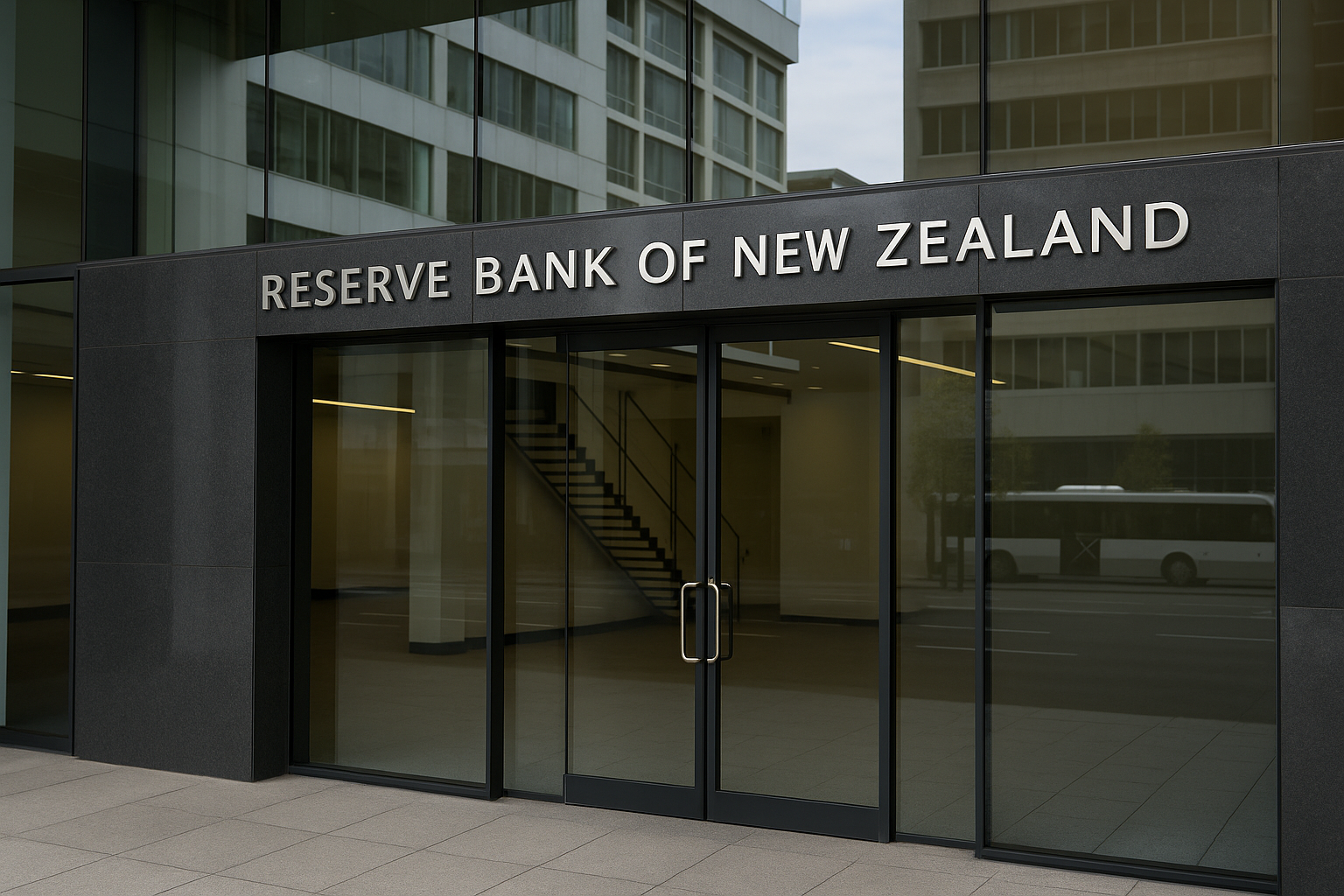
New Zealand households and businesses are set to benefit from strengthening economic conditions, following the Reserve Bank's latest decision to reduce the Official Cash Rate (OCR). Finance Minister Nicola Willis says the move — the ninth consecutive cut since interest rates peaked in mid-2024 — reflects growing confidence that inflation is easing and economic momentum is returning.
A Continued Shift Toward Lower Interest Rates
The Reserve Bank reduced the OCR by 25 basis points, bringing it down to 2.25 per cent. This follows a sustained period of tightening that saw the OCR climb to 5.5 per cent in July 2024 before policy easing began later that year.
Willis says the successive rate cuts are now feeding into the broader economy.
"It is clear previous reductions in the OCR are flowing through into stronger economic activity," she said. "The bank is forecasting falling inflation and rising growth. Its forecasts support the widespread consensus that the economy is strengthening."
The Reserve Bank's updated projections point toward significantly lower inflation in 2025 and strong economic expansion by 2026, offering a sense of stability for both consumers and businesses after years of uncertainty.
Mortgage Relief for Most Households
Lower interest rates are translating into meaningful savings for mortgage holders. According to Reserve Bank data, 80 per cent of all mortgage lending has rolled over since the first OCR cut in August 2024.
This means the vast majority of homeowners have now had the opportunity to shift onto lower rates — easing financial pressure and freeing up household budgets.
"For many households, lower interest rates mean more choice," Willis said. "That means more money in Kiwi pockets."
The Minister noted that families who weathered soaring mortgage repayments during the inflation peak are now beginning to feel genuine financial relief.
A Surge in First-Home Buyers
Lower borrowing costs are also leading to a renewed surge in first-home purchases. In the year to September, 23,600 households bought their first home — the highest level since 2021, when the market was booming.
The combination of falling interest rates, stabilising house prices, and increased bank lending confidence has helped younger families and new buyers re-enter the market after several difficult years.
Real estate analysts report:
-
Increased demand for entry-level homes
-
Stronger activity in regional centres
-
More confidence among lenders regarding long-term affordability
Willis says these trends reflect a returning sense of optimism.
"New Zealanders have had a tough few years, but things are looking up."
Positive Signs for Business and Investment
Businesses are also benefitting from the lower OCR. Reduced borrowing costs help:
-
Encourage investment in equipment and technology
-
Lower operational expenses
-
Support hiring and expansion
-
Strengthen cashflow for small and medium enterprises
Lower interest rates, alongside expectations of rising economic growth, give businesses more certainty to plan ahead for 2025 and 2026.
Economists say the positive outlook could stimulate further activity in construction, manufacturing, retail, and export sectors.
Inflation Finally Under Control
The Reserve Bank's latest forecasts show inflation returning closer to the target range after several turbulent years. This is being driven by:
-
Normalising global supply chains
-
Lower fuel and transport costs
-
Easing domestic price pressures
-
Improved productivity across sectors
Falling inflation provides the central bank with more scope to reduce rates without risking instability.
A Turning Point for the Economy
Taken together, the latest OCR cut and economic forecasts suggest New Zealand is entering a new phase of recovery. While global uncertainty remains, domestic conditions are improving more strongly than previously expected.
With inflation easing, interest rates falling, wages rising, and employment stabilising, New Zealand families and businesses now have reason for renewed confidence.


 Google News