

SA Showcases Engineering Strength and Local Manufacturing Ambition at Rail Live 2025
Looking ahead, Nhlapo said she is confident that discussions held in Madrid will lead to export contracts and cross-border partnerships.
- Country:
- South Africa
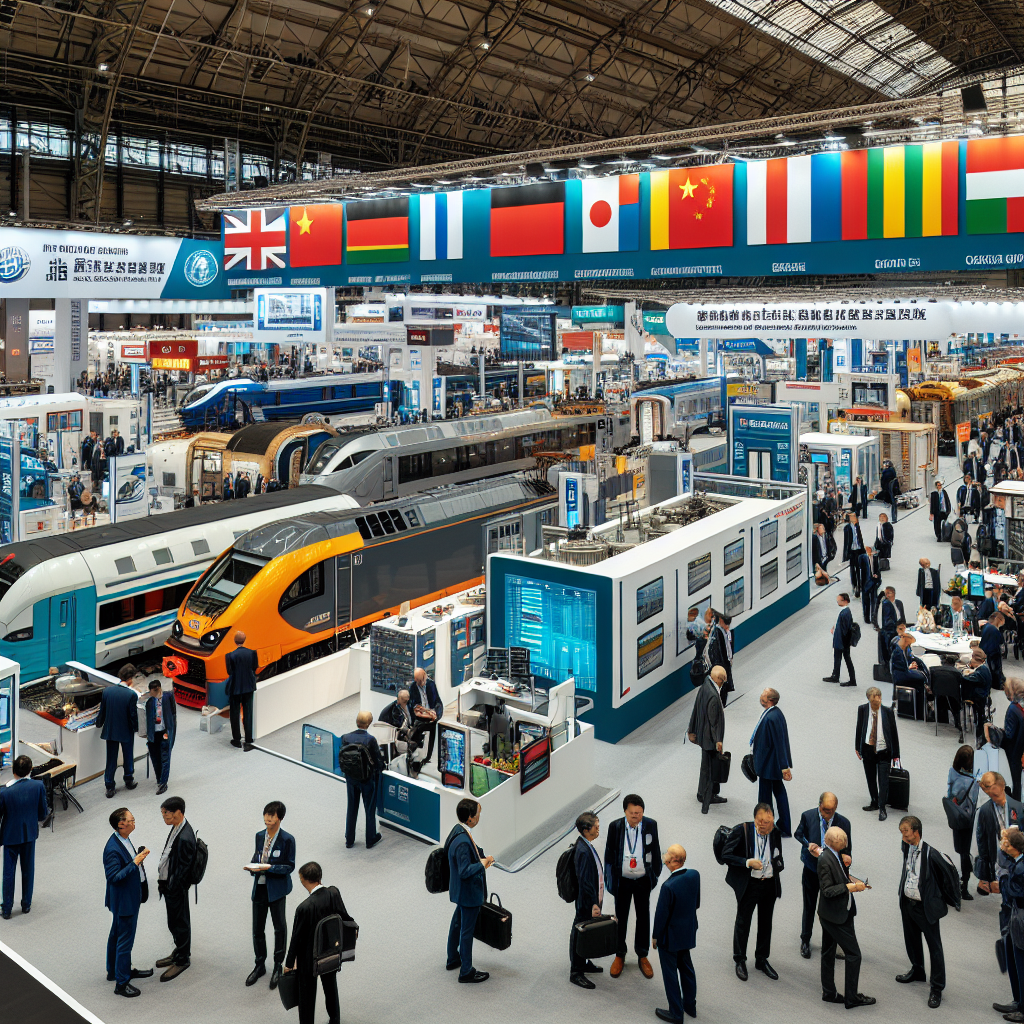
South Africa's long-standing engineering capability, rail innovation and growing localisation policy took prominence at this year's Rail Live 2025 Expo, held in Madrid, Spain.
The African Rail Industry Association (ARIA) formed part of a nine-company delegation supported by the Department of Trade, Industry and Competition (dtic) through its Outward Selling Mission — a programme aimed at supporting South African exporters and positioning the country as a competitive global manufacturing and engineering hub.
Reflecting on the week-long exhibition and business engagement programme, ARIA CEO Mesela Nhlapo said the mission reinforced South Africa's reputation as a credible player in the global rail sector and highlighted localisation as a critical component of the nation's industrial strategy.
"Localisation is not just about employment — it is a matter of national pride. Across the exhibition, countries boldly declare 'Made In' on their products. South Africa must rally behind a unified identity that recognises our century-long engineering history, our innovation culture, and our ability to manufacture world-class rail solutions," Nhlapo said.
She added that several global companies continue to view South Africa as technically sophisticated and strategically positioned — a perception especially reinforced during engagements with European rail manufacturers.
"German companies were actively seeking Transnet at Rail Live. The level of respect shown to our engineers was remarkable. We sometimes underestimate our capabilities, but the world continues to recognise South Africa's technical excellence," she said.
Nhlapo emphasised that South Africa's rail engineering ecosystem — including specialised training institutions, rolling stock manufacturers, component suppliers and certification bodies — gives the country a competitive edge as a global supplier of rail technology and service solutions.
She also highlighted the dtic's strategic support as critical to the delegation's success, noting that government-to-government relations often open international markets faster than traditional business channels.
"This mission was made possible through the dtic's funding and planning. President Ramaphosa, Minister Parks Tau and their teams continue to open doors globally for South African industry. Government creates the platform — industry must now convert these engagements into export opportunities."
Companies in the delegation reported strong commercial interest, with one Cape Town-based engineering firm drawing consistent attention for an innovation showcased for the first time internationally.
"The world is open for business — and they are asking for South African capability. The level of demand for innovative solutions presented by our firms shows that we are not just participating at a global level — we are competing," she said.
Looking ahead, Nhlapo said she is confident that discussions held in Madrid will lead to export contracts and cross-border partnerships.
"I believe that within six months, we will be able to report a significant return on investment. Our task now is to grow exports, demonstrate engineering excellence and continue building South Africa as an export-led, innovation-driven rail economy."
ARIA and the participating companies will continue to engage with leads generated at Rail Live 2025 while preparing for upcoming global platforms, including InnoTrans 2026 in Berlin — the world's largest rail exhibition.


 Google News