

DWYPD Urges 365-Day National Commitment to End GBV and Femicide in SA
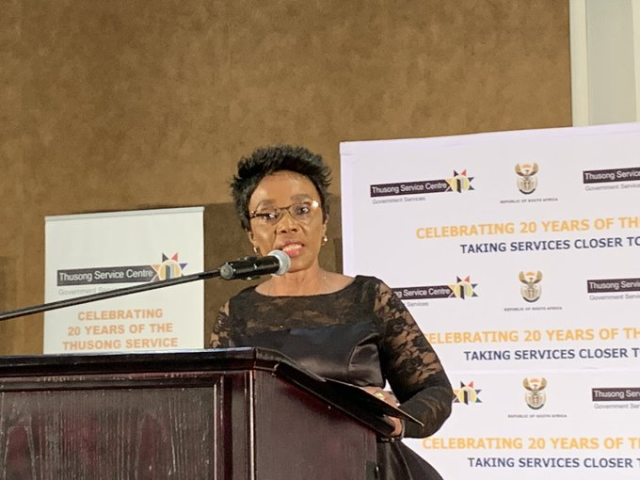
Minister Sindisiwe Chikunga stressed that South Africa cannot overcome GBVF through government interventions alone.
- Country:
- South Africa
The Department of Women, Youth and Persons with Disabilities (DWYPD) has appealed to all South Africans to take collective responsibility in the ongoing fight against Gender-Based Violence and Femicide (GBVF), describing the crisis as a national emergency that requires urgent, coordinated, society-wide action.
A Call for Bold Leadership and Stronger Partnerships
Minister Sindisiwe Chikunga stressed that South Africa cannot overcome GBVF through government interventions alone. She said stronger partnerships across all spheres of government, civil society organisations, the private sector, traditional leaders, religious structures, labour, youth groups, and communities must intensify efforts to stop violence and protect vulnerable groups.
The Minister emphasized that meaningful progress depends on bold leadership, shared accountability, and a united commitment.
Beyond 16 Days: A 365-Day Commitment to End GBVF
Although government has strengthened laws, expanded survivor support services, and accelerated the implementation of the National Strategic Plan on GBVF (NSP-GBVF), Minister Chikunga stated that the country must move beyond symbolic campaigns.
She called for a year-round, 365-day national mobilisation, saying:
"Every day is a day to end GBVF."
Citizens were urged to build safer communities, support survivors, and challenge attitudes that normalise gendered violence.
Role of Communities, Institutions, and Families
Minister Chikunga highlighted the vital role that communities play in preventing violence, ensuring survivors are supported, and demanding accountability from perpetrators. She encouraged:
-
Institutions and workplaces to enforce strong policies, reporting channels, and protection mechanisms.
-
Families to instill values of respect, equality, and non-violence from early childhood.
-
Men and boys to challenge harmful behaviours, toxic masculinity, peer pressure, and rigid gender norms.
She reiterated:
"The responsibility does not rest with government alone, but with every sector, every community, and every individual."
Men's Active Involvement Is Critical
Minister Chikunga called on men to become vocal allies against GBV, urging them to speak out whenever they witness abuse. A united nation—men, women, youth, traditional leaders, faith leaders, business, labour, and civil society—must work collectively to address the root causes of GBVF.
She stressed that laws alone cannot eliminate GBV: prevention, advocacy, and societal transformation are equally essential.
Support Services and National Resources
The department encouraged survivors and the public to utilise available support platforms, including the GBVF Command Centre (0800 428 428), which offers emergency assistance and referral services for those at risk or in crisis.
The DWYPD reaffirmed that South Africa must continue building a society where women, children, and persons with disabilities live free from violence, discrimination, and fear.
President Ramaphosa Calls for Dialogues With Men and Boys
In his weekly newsletter, President Cyril Ramaphosa echoed the Minister's message, emphasising the need for sustained nationwide dialogues with men and boys. These conversations should confront the deeper drivers of violence, including:
-
Toxic masculinity
-
Harmful cultural norms
-
Peer pressure
-
Early childhood socialisation patterns
He underscored that changing societal attitudes is essential to achieving a truly safe and equal country.


 Google News