

South Africans Reflect on Reconciliation, Nation-Building and Social Cohesion in 2025
Commemorated annually since December 1995, Reconciliation Day serves as a reminder of the painful divisions of the apartheid era and the ongoing project of building an inclusive South African identity.
- Country:
- South Africa
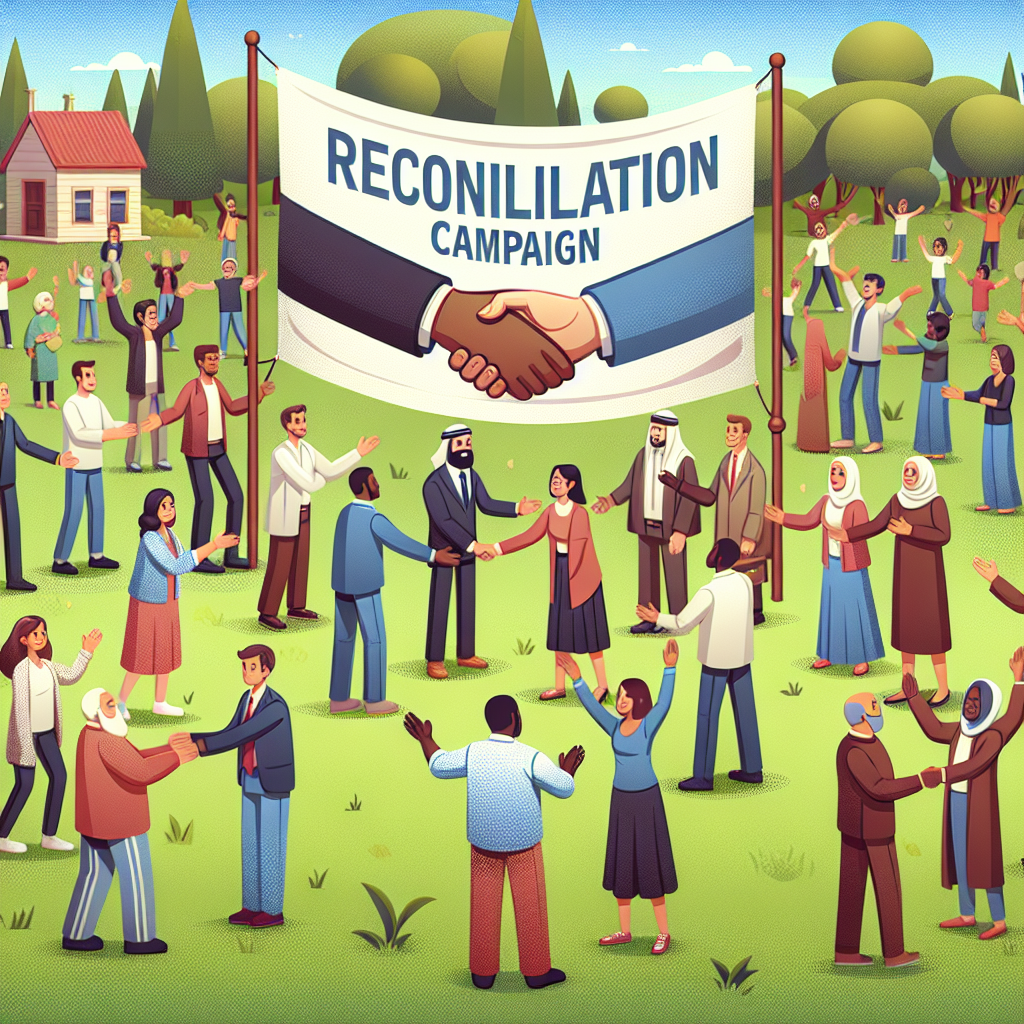
As South Africans embrace the festive spirit and conclude 2025, the nation also pauses to reflect on its remarkable democratic journey. December marks Reconciliation Month, culminating in National Reconciliation Day, a time dedicated to strengthening social cohesion, healing historical wounds, and reaffirming national unity.
Commemorated annually since December 1995, Reconciliation Day serves as a reminder of the painful divisions of the apartheid era and the ongoing project of building an inclusive South African identity.
A Moment to Reflect on Democracy and Shared National Identity
December also holds deep constitutional significance—it was in this month, on 10 December 1996, that President Nelson Mandela signed the Constitution of the Republic of South Africa into law. The Constitution's Preamble calls on citizens to "build a united and democratic South Africa able to take its rightful place in the family of nations."
Yet, what does nation-building truly entail?
Understanding Nation-Building: A Constructed Identity
According to Dr Yacoob Abba Omar, Commissioner in the National Planning Commission (NPC) and an expert on national identity, nation-building is a deliberate act of shaping a shared identity.
He explains that some nations form around a single linguistic or cultural identity, such as Japan or Sweden. Others—such as Italy or France—develop a constructed national identity, forged from diverse regions, cultures and histories.
South Africa's nation-building project, he notes, is anchored in shared symbols:
-
The Constitution
-
The National Anthem
-
Sports teams
-
National heraldry
These elements cultivate a collective sense of belonging.
Social Cohesion: A Daily, Grassroots Experience
While nation-building operates on a national scale, social cohesion, Omar emphasizes, happens at the individual and community level. It includes everyday interactions among South Africans, migrants, tourists and communities. It is expressed in the simple acts of learning another local language, building trust, and living harmoniously in diverse spaces.
He describes the country's progress as a "mixed bag."Despite maintaining unity amid earlier threats of secession, persistent inequalities remain—particularly affecting Black South Africans, Black women and Coloured communities. He stresses that true social cohesion cannot be achieved until disparities in income, education and social mobility are meaningfully addressed.
Yet, he believes a powerful sense of "South African-ness" still binds people together, even amid challenges.
Revisiting the Past: TRC, Apologies and Inquests
Omar underscores that South Africa has more work ahead regarding historical accountability. While the Truth and Reconciliation Commission (TRC) made significant strides, many perpetrators of apartheid-era crimes evaded justice.
He notes the importance of "transformative apology"—acknowledgment paired with concrete action.
Recent developments reflect renewed momentum:
-
A Judicial Commission of Inquiry is investigating alleged attempts to stall TRC-related prosecutions, with a deadline set for 31 July 2026.
-
Inquests into the deaths of prominent anti-apartheid leaders—Chief Albert Luthuli and Steve Biko—have been reopened, providing long-awaited closure and historical clarity.
Omar affirms the cultural importance of such efforts, calling them essential to justice and healing.
National Dialogue: A Collective Path Forward
Highlighting the role of active civic engagement, Minister of Sport, Arts and Culture Gayton McKenzie recently stated that while government can facilitate discussion, true reconciliation rests with the people.
South Africa's National Dialogue process, following the first National Convention, aims to bring citizens together to shape a shared vision for the country's future.
Omar sees this as a pivotal opportunity:
"The National Dialogue is an important moment for all of South Africa to come together and say this is the kind of South Africa we want."
The National Development Plan (NDP) 2030 aspires to significantly advance social cohesion, though progress remains uneven. While access to basic services has expanded, quality gaps persist in healthcare, education and housing.
Nation-Building: A Continuous Journey
Omar concludes that nation-building is not a fixed destination but an evolving process that unfolds in countless everyday acts—through public policy, community initiatives, and personal attitudes.
Despite its imperfections, South Africa's resilience endures. The nation continues to navigate challenges, united by the shared belief that it can build a better, more inclusive future.
ALSO READ
-
Following Money: South Africa’s Trade Gaps Point to Possible Illicit Flows
-
Chilling Discovery Near Johannesburg: Ninth Woman's Body Unveiled
-
PM Modi Acknowledges President Murmu's Birthday Wishes, Emphasizes Nation-Building Goals
-
Steve Smith's Redemption: A Journey from Scandal to Success
-
South African President Falls Ill: A Nation Waits


 Google News