

UN Warns of Escalating Human Rights Crisis as Fighting Resurges in Tigray
“The situation remains highly volatile, and we fear it will further deteriorate, worsening the region’s already precarious human rights and humanitarian situation,” Türk said.
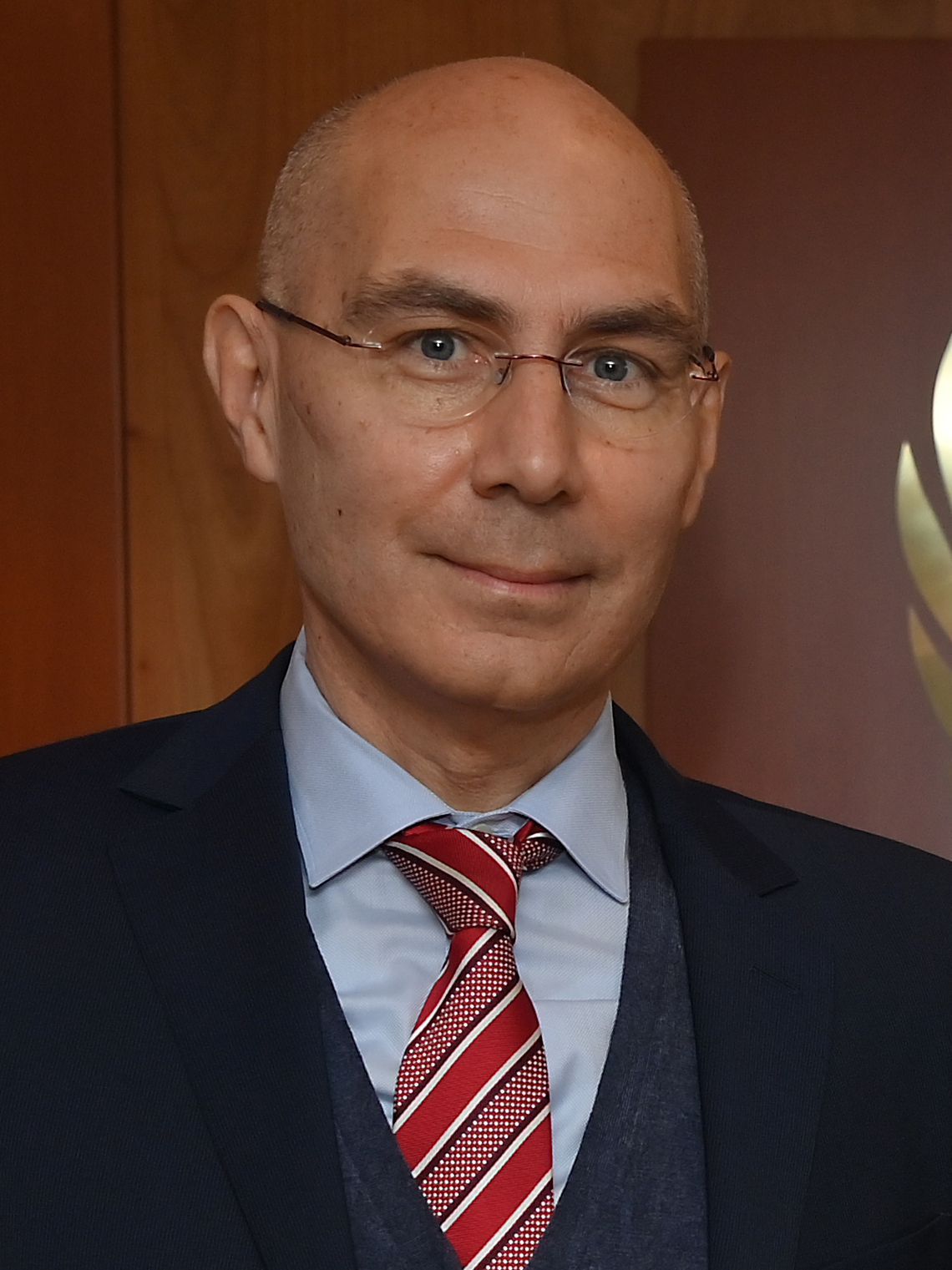
The United Nations High Commissioner for Human Rights, Volker Türk, has issued an urgent call for de-escalation in Ethiopia's Tigray region, warning that renewed clashes risk plunging the north of the country into another major human rights and humanitarian crisis.
Speaking Tuesday amid reports of intensified fighting, Türk said the situation in Tigray remains highly volatile and could deteriorate rapidly without immediate political action.
"The situation remains highly volatile, and we fear it will further deteriorate, worsening the region's already precarious human rights and humanitarian situation," Türk said.
"There must be concerted and sustained efforts by all parties, with the help of the international community, to de-escalate tensions before it is too late."
Fighting Intensifies Near Amhara Border
The warning comes after clashes between the Ethiopian National Defence Forces (ENDF) and the regional Tigray Security Forces (TSF) escalated sharply on 26 January.
Fighting was concentrated in the Tselemti and Laelay Tselemti areas in north-west Tigray, close to the border with Ethiopia's Amhara region. The TSF reportedly withdrew from Tselemti on 1 February.
Both sides have been accused of using heavy weaponry, including drones, artillery and other powerful arms, raising concerns over civilian safety and the risk of mass displacement.
Civilians Caught Between Arrests and Detentions
Türk expressed alarm over reports of arrests and detentions carried out by both ENDF and TSF forces during and after the clashes.
"Civilians are once again caught in between escalating tensions, with both TSF and ENDF reportedly carrying out arrests for perceived affiliation with the opposing side. This must stop," he said.
Human rights monitors fear that renewed violence could lead to further abuses in a region still struggling to recover from the devastating 2020–2022 conflict.
Rival Factions Fuel Ongoing Violence
In addition to fighting with federal forces, Türk noted continued clashes in southern and south-eastern Tigray near the Afar border, where the TSF has reportedly been battling the so-called "Tigray Peace Forces," a rival faction.
The presence of multiple armed actors has complicated efforts to stabilise the region and undermined fragile peace agreements.
Conflict Legacy: Over One Million Still Displaced
More than one million civilians remain internally displaced from the previous Tigray war, which left large numbers dead and uprooted more than two million people.
The exact death toll from the 2020–2022 conflict remains unknown, with widely varying estimates from different sources, reflecting the scale of devastation and limited access for independent investigators.
Türk warned that renewed violence risks compounding this already severe humanitarian burden.
Calls for Political Dialogue and Accountability
The High Commissioner stressed that political dialogue and confidence-building measures must replace armed confrontation.
"Both sides must step back from the brink and work to resolve their differences through political means," Türk said.
He also called for alleged serious violations and abuses to be independently investigated, regardless of who is responsible.
Regional Tensions Raise Wider Horn of Africa Concerns
Türk also voiced concern over rising tensions between Ethiopia and neighbouring Eritrea, warning that escalating regional disputes could worsen human rights and humanitarian challenges across the wider Horn of Africa.
The UN says the combination of renewed conflict in Tigray and cross-border instability threatens to undermine fragile peace efforts and place millions more civilians at risk.


 Google News