

South Africa Marks 30 Years of Constitution; Crime Fight Intensifies
Kubayi emphasised that the Constitution remains the cornerstone of South Africa’s democracy, equality and human rights, including historic rulings such as the abolition of the death penalty.
- Country:
- South Africa
As South Africa prepares to commemorate 30 years since the adoption of its Constitution in 1996, government has announced that the anniversary will serve not only as a celebration of democratic gains, but also as a moment of national reflection.
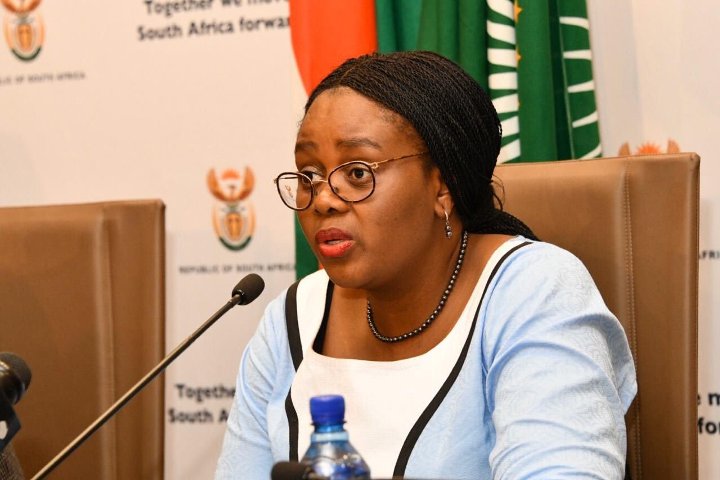
Justice and Constitutional Development Minister Mmamoloko Kubayi said a year-long programme will be rolled out to mark three decades of constitutional democracy, culminating in national commemorations involving a wide range of stakeholders.
Constitution as Foundation of Rights and Democracy
Kubayi emphasised that the Constitution remains the cornerstone of South Africa's democracy, equality and human rights, including historic rulings such as the abolition of the death penalty.
"We believe this milestone is worth celebrating. Our democracy and our country are founded on this Constitution. It guarantees many of the rights and freedoms we enjoy today, and it shapes the way we live as a society," she said.
The programme will also prioritise public education, particularly among young people, to deepen awareness of the Constitution's guarantees and the responsibilities it places on citizens.
Kubayi said government will use the anniversary to assess the Constitution's impact over the past three decades, identify weaknesses and explore improvements going forward.
Organised Crime a Major Threat to Democracy
Responding to President Cyril Ramaphosa's State of the Nation Address (SONA), Kubayi welcomed renewed focus on dismantling organised criminal syndicates.
The President described organised crime as the most immediate threat to South Africa's democracy, social stability and economic development.
He announced that government will intensify the fight against criminal networks through:
-
Greater use of technology
-
Improved intelligence coordination
-
Integrated law enforcement operations
Plans include consolidating intelligence nationally, identifying priority syndicates and deploying specialised multidisciplinary teams to dismantle organised crime structures.
Coordinated Prosecution-Led Strategy
Kubayi said law enforcement agencies — including the police, the South African National Defence Force (SANDF) and the National Prosecuting Authority (NPA) — will work in close coordination to ensure arrests translate into successful prosecutions.
"The department believes in prosecution-led investigations to ensure that cases are properly prepared and successfully concluded," she said.
A key pillar of the strategy will be strengthening asset forfeiture measures to deprive criminals of the proceeds of crime.
"These criminals steal from the State and utilise the money they had gotten wrongly to come and fight the State. We are saying, let us freeze and forfeit their assets so that they do not have the means to fight the justice system," Kubayi said.
Boosting Judicial Capacity
Kubayi noted that courts must be adequately equipped to manage an expected rise in complex organised crime cases.
She confirmed that government has already appointed more than 200 magistrates nationwide to strengthen judicial capacity, and will continue engagements to address shortages and the backlog in judge appointments.
Anniversary as Reflection and Renewal
The 30th anniversary of South Africa's Constitution will thus serve as both a commemoration of democratic progress and a renewed commitment to strengthening justice, constitutional governance and the rule of law.


 Google News