

UN Report Exposes Torture and Trafficking Behind Global Scam Compounds
“The treatment endured by individuals within the context of scam operations is alarming,” the report concludes.
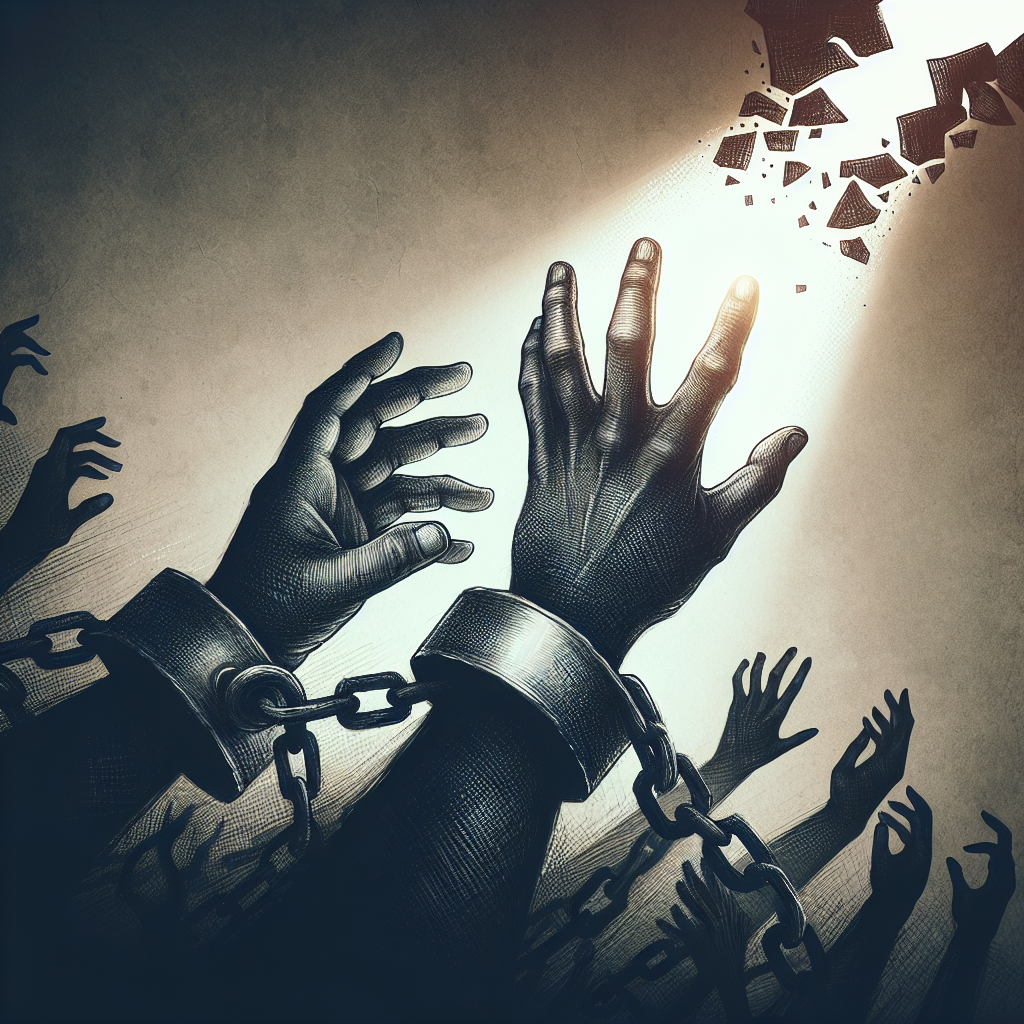
A new report released today by the UN Human Rights Office has laid bare the brutal realities faced by hundreds of thousands of people trafficked into sprawling scam operations, largely concentrated in Southeast Asia but increasingly spreading across the globe.
The report provides graphic testimony from survivors who were lured with false job offers, then trapped in fortified compounds and forced to carry out online fraud under threats of violence, torture, and exploitation.
"The treatment endured by individuals within the context of scam operations is alarming," the report concludes.
Torture, Sexual Abuse and Forced Criminality
The UN document details severe human rights violations inside scam centres, including:
-
Torture and other ill-treatment
-
Sexual abuse and exploitation
-
Forced abortions
-
Food deprivation
-
Solitary confinement
-
Threats, extortion and coercion
Victims described being punished for failing to meet scamming targets, including beatings, tasering, confinement, and being "sold" to harsher compounds.
One Sri Lankan survivor recounted that workers who missed quotas were subjected to hours-long immersion in water containers — known as "water prisons."
Others described being forced to witness or even commit violence against fellow victims to ensure compliance.
"The litany of abuse is staggering and at the same time heart-breaking," said UN Human Rights Chief Volker Türk.
Scam Compounds Resembling Fortified Towns
Satellite imagery and on-the-ground reporting show that nearly three-quarters of known scam operations are located in the Mekong region, though the networks have expanded into:
-
Pacific Island countries
-
South Asia
-
Gulf States
-
West Africa
-
The Americas
Survivors described enormous compounds, some exceeding 500 acres, built like self-contained towns with multi-storey buildings, barbed-wire walls, and armed guards.
Several victims reported deaths during escape attempts, including people falling from balconies or roofs.
Global Trafficking Network Across Dozens of Countries
The report is based on interviews with survivors from Bangladesh, China, India, Myanmar, Sri Lanka, South Africa, Thailand, Viet Nam and Zimbabwe.
They were trafficked into scam centres in Cambodia, Lao PDR, Myanmar, the Philippines and the United Arab Emirates between 2021 and 2025.
Victims said they were forced into perpetrating online fraud schemes such as:
-
Impersonation scams
-
Online extortion
-
Financial fraud
-
Romance scams
The report also documents allegations of corruption, including border officials aiding recruiters and police threatening or extorting victims.
Families Extorted Through Violence
A particularly disturbing finding is the use of violence to extract ransom payments.
Traffickers reportedly video-called family members, forcing them to watch their loved ones being abused in order to pressure families into paying extortionate sums.
Although some victims received wages, none obtained the full promised salary due to escalating deductions, fines, and coercive "debts."
One Thai victim said they were expected to scam up to $9,500 per day to avoid punishment.
Victims Too Often Punished Instead of Protected
Türk warned that many survivors face stigma, disbelief, and even criminal penalties rather than protection.
"Rather than receiving protection, care and rehabilitation… victims too often face disbelief, stigmatization and even further punishment," he said.
The report stresses that States must explicitly recognise "forced criminality" within trafficking laws and guarantee the non-punishment principle for victims compelled to commit crimes.
Rights-Based Solutions and Prevention Needed
The report uniquely applies behavioural science and systems analysis to explain why recruitment continues to succeed and outlines urgent prevention steps, including:
-
Safe and accessible labour migration pathways
-
Oversight and verification of online job postings
-
Flagging suspicious recruitment patterns
-
Survivor-led outreach to at-risk communities
-
Stronger action against corruption
-
Prosecution of criminal syndicates
-
Protection for independent media and civil society
"Victims of such abuses require coordinated timely, safe and effective rescue operations," Türk said, along with trauma rehabilitation and safeguards against re-trafficking.
Call for Global Action
The UN Human Rights Office is urging governments and regional bodies to confront the deeply entrenched corruption enabling these lucrative criminal networks and to ensure victims receive justice, support, and protection.
Türk emphasised that anti-trafficking responses must be rooted in human rights law, and that the international community must act decisively to dismantle scam syndicates and prevent further exploitation.


 Google News