

Supreme Court Rebukes Trump's Tariff Strategy
The U.S. Supreme Court ruled that President Donald Trump lacks the authority to unilaterally set tariffs on imports, challenging his trade practices. In response, Trump announced a new 10% tariff on all imports, evoking Section 122 of the Trade Act of 1974, which may prompt legal challenges.
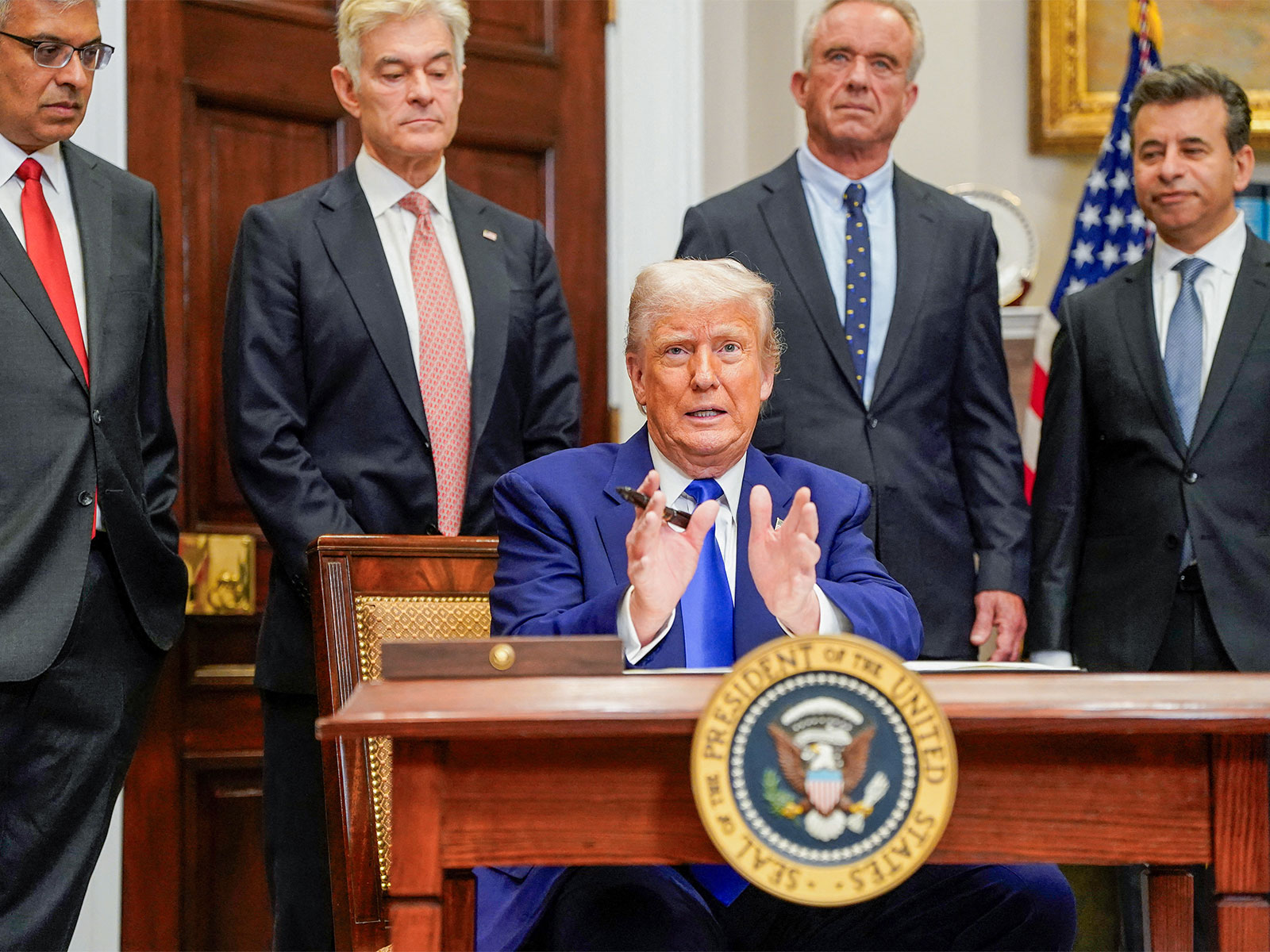
The Supreme Court issued a landmark decision against President Donald Trump's power to unilaterally impose tariffs, fueling Trump's ire. The ruling challenges the foundation of Trump's trade policies, which have largely defined his administration's international negotiations.
Ignoring the court's stance, Trump promptly declared a new 10% tariff on all imports for up to 150 days, invoking Section 122 of the Trade Act of 1974. Legal experts suggest that this move might lead to further litigation, questioning the legitimacy of such unilateral economic measures.
Trump criticized the decision, accusing the justices, including Chief Justice John Roberts, of succumbing to foreign influence. This development temporarily boosted U.S. stock indexes, though it also introduced uncertainty in global markets as analysts anticipate Trump's next steps.
ALSO READ
-
EU Firms Rethink Supply Chains as Geopolitical Risks Reshape Global Trade
-
Lee Jae Myung's Diplomatic Milestones: Balancing Amidst Global Tensions
-
Diplomatic Moves: Takaichi's UN Meeting with Trump
-
Trade War Chessboard: Agriculture, Energy, and Rare Earths in Focus
-
High-Stakes Diplomatic Dance: Trump and Xi's Crucial Summit


 Google News