

Access to Water a Fundamental Human Right, Says DWS
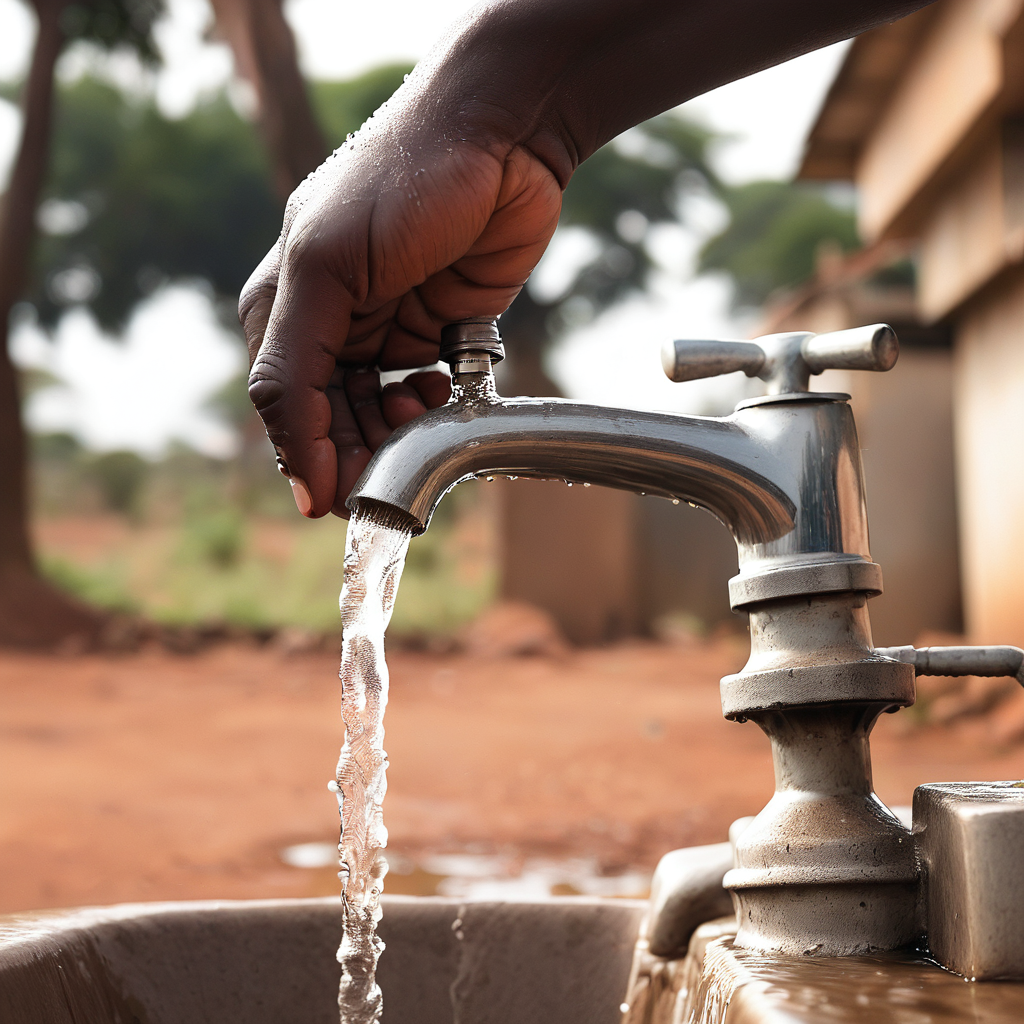
The department highlighted that inadequate access to safe drinking water disproportionately affects vulnerable communities, particularly women and girls.
- Country:
- South Africa
The Department of Water and Sanitation (DWS) has reaffirmed that access to sufficient, safe and reliable water is a fundamental human right and a cornerstone for advancing dignity, gender equality, and social justice.
The department's statement comes as South Africa observes National Water Month in March, which coincides with Human Rights Month and International Women's Day on 8 March. According to the department, the convergence of these commemorations reinforces a rights-based approach to tackling the country's water challenges and underscores government's constitutional obligation to progressively realise the right to water for all citizens.
Water, Equality and Human Dignity
The department highlighted that inadequate access to safe drinking water disproportionately affects vulnerable communities, particularly women and girls.
"In communities without safe drinking water, inequalities disproportionately affect women and girls," the department noted.
In many areas, women and girls shoulder the responsibility of collecting water, often travelling long distances. This burden impacts their education, economic participation, safety, and overall wellbeing. Ensuring reliable water access, therefore, is not only a matter of service delivery but also of advancing equality and social justice.
By framing water access within the broader human rights and gender equality agenda, the department emphasised that water security is intrinsically linked to dignity, health, and socio-economic development.
Systemic Challenges Driving the Crisis
South Africa is currently grappling with water supply challenges across several regions, driven by a combination of systemic factors.
These include:
-
Inadequate long-term planning and underinvestment
-
Years of infrastructure neglect and maintenance backlogs
-
Rising demand linked to economic growth and population expansion
-
Rapid urbanisation
-
Unsustainable water use practices
-
Pollution that has reduced the availability of usable freshwater
Together, these pressures have strained existing water systems, contributing to recurring supply interruptions and deteriorating infrastructure in some municipalities.
National Water Crisis Declared
In response to the worsening situation, President Cyril Ramaphosa has declared water supply challenges a national crisis.
During the State of the Nation Address (SONA) in February 2026, the President announced a comprehensive national intervention modelled on the successful multi-agency approach used to stabilise the energy sector.
"To centralise and accelerate recovery, government has established the National Water Crisis Committee, chaired by the President. This body will coordinate all state efforts to address the water crisis, drive the required reforms in the water sector, and deploy national resources and technical experts to struggling municipalities," the department stated.
The establishment of the National Water Crisis Committee signals a shift toward stronger central coordination, accelerated reforms, and targeted technical interventions aimed at restoring system stability and improving service delivery.
Toward Progressive Realisation of the Right to Water
The department reiterated that government remains constitutionally bound to progressively realise the right to access water. This obligation requires sustained investment, improved governance, infrastructure rehabilitation, and strengthened municipal capacity.
As South Africa marks National Water Month alongside Human Rights Month, the message is clear: water security is not merely an infrastructure issue, but a human rights imperative. Addressing the crisis will require coordinated action across all spheres of government, active citizen participation, and long-term structural reforms to secure safe, reliable water for all.


 Google News