

Hauraki Gulf Rockpool Harvesting Banned to Protect Fragile Marine Ecosystems
The two-year temporary fisheries closure, which begins today, aims to safeguard marine biodiversity in one of New Zealand’s most ecologically significant coastal regions.
- Country:
- New Zealand
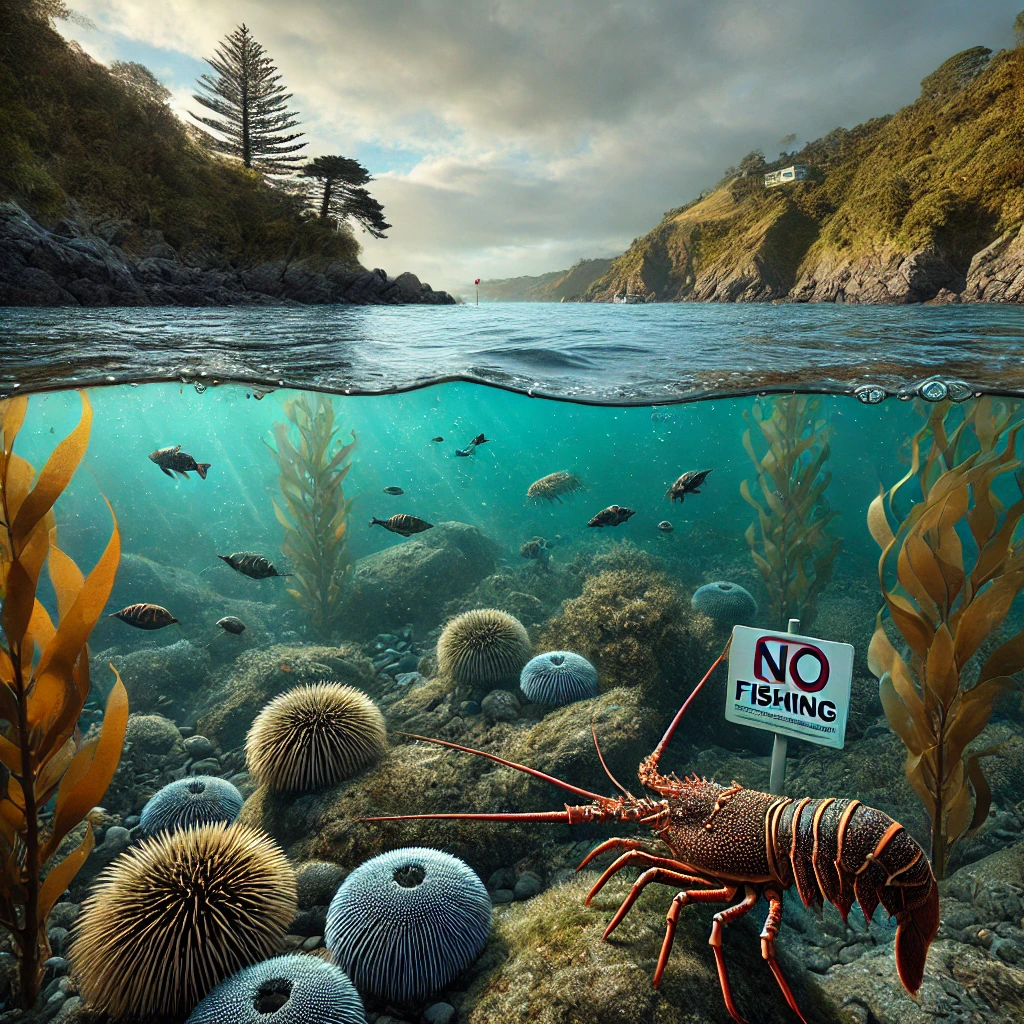
A new temporary ban on gathering marine life from rockpools and coastal waters along the Hauraki Gulf coast north of Auckland has come into force, as New Zealand ramps up efforts to protect vulnerable intertidal ecosystems and restore depleted marine species.
Oceans and Fisheries Minister Shane Jones and Oceans and Fisheries Under-Secretary Jenny Marcroft announced that Fishery Officers are increasing patrols across key coastal areas to enforce the closure and educate the public about the new rules.
The two-year temporary fisheries closure, which begins today, aims to safeguard marine biodiversity in one of New Zealand's most ecologically significant coastal regions.
Strict Ban on Collecting Rockpool Marine Life
Under the new restrictions, it is now illegal to collect any marine organisms from rockpools and adjacent coastal waters within the closed areas.
This includes a wide range of species commonly found in intertidal habitats, such as:
-
Seaweeds
-
Shellfish
-
Sponges
-
Starfish
-
Sea anemones
-
Sea cucumbers
-
Other rockpool marine life
Officials say the ban is designed to give fragile ecosystems time to recover from harvesting pressure, environmental stress, and increased coastal activity.
"Fishery Officers will be stationed at key coastal locations to provide information to members of the public about the closure," said Minister Shane Jones.
Heavy Fines for Violators
Authorities have warned that serious penalties will apply to anyone breaking the rules.
Offenders could face:
-
Fines ranging from $5,000 to $100,000
-
Seizure of equipment used in the offence
-
Confiscation of vehicles in more serious cases
Officials are urging residents and visitors to familiarise themselves with the regulations before collecting any marine resources.
People can check the rules through several channels including:
-
The NZ Fishing Rules mobile app
-
The Ministry for Primary Industries (MPI) website
-
Local MPI offices
-
Direct consultation with Fishery Officers
Indigenous Partnership and Traditional Rāhui
The closure was implemented after Fisheries New Zealand worked closely with Ngāti Manuhiri Settlement Trust, which requested the temporary protection measure.
As part of the initiative, Ngāti Manuhiri will place a traditional rāhui—a customary Māori restriction—over the affected coastal areas and species.
The rāhui reinforces both cultural guardianship (kaitiakitanga) and conservation goals.
"This initiative also includes an educational component to help the public understand the cultural and environmental significance of these protections," said Under-Secretary Jenny Marcroft.
Protecting a Globally Important Coastal Ecosystem
The Hauraki Gulf is widely regarded as one of New Zealand's most valuable marine environments. Its intertidal zones support a wide diversity of marine organisms, which play a critical role in coastal food webs and ecological balance.
However, experts warn that intensive harvesting, habitat disturbance, and climate pressures have put increasing strain on these ecosystems.
Temporary closures such as this one are designed to:
-
Allow marine species populations to rebuild
-
Restore biodiversity in intertidal habitats
-
Improve long-term sustainability of local fisheries
Education and Public Awareness Campaign
To ensure the success of the closure, Fisheries New Zealand has launched a public education campaign explaining the importance of protecting rockpool ecosystems.
New educational resources outline:
-
The species covered by the ban
-
The ecological role of intertidal environments
-
How the public can help support marine conservation
Officials say community engagement with iwi, local groups, and recreational fishers will be key to ensuring compliance and long-term environmental benefits.
Broader Coastal Management Efforts Underway
The temporary closure is part of a larger programme aimed at improving management of intertidal shellfish populations across the Auckland and Coromandel regions.
Regulators are also exploring additional enforcement tools and infringement measures to strengthen protection for vulnerable marine habitats.
A map of the affected areas and further details on the closures are available on the Fisheries New Zealand website.


 Google News