

Cabinet Approves ₹26,069 Crore Kamala Hydropower Project in Arunachal Pradesh
The Kamala HEP is designed to generate approximately 6,870 million units (MU) of electricity annually, making it a key addition to India’s clean energy portfolio.
- Country:
- India
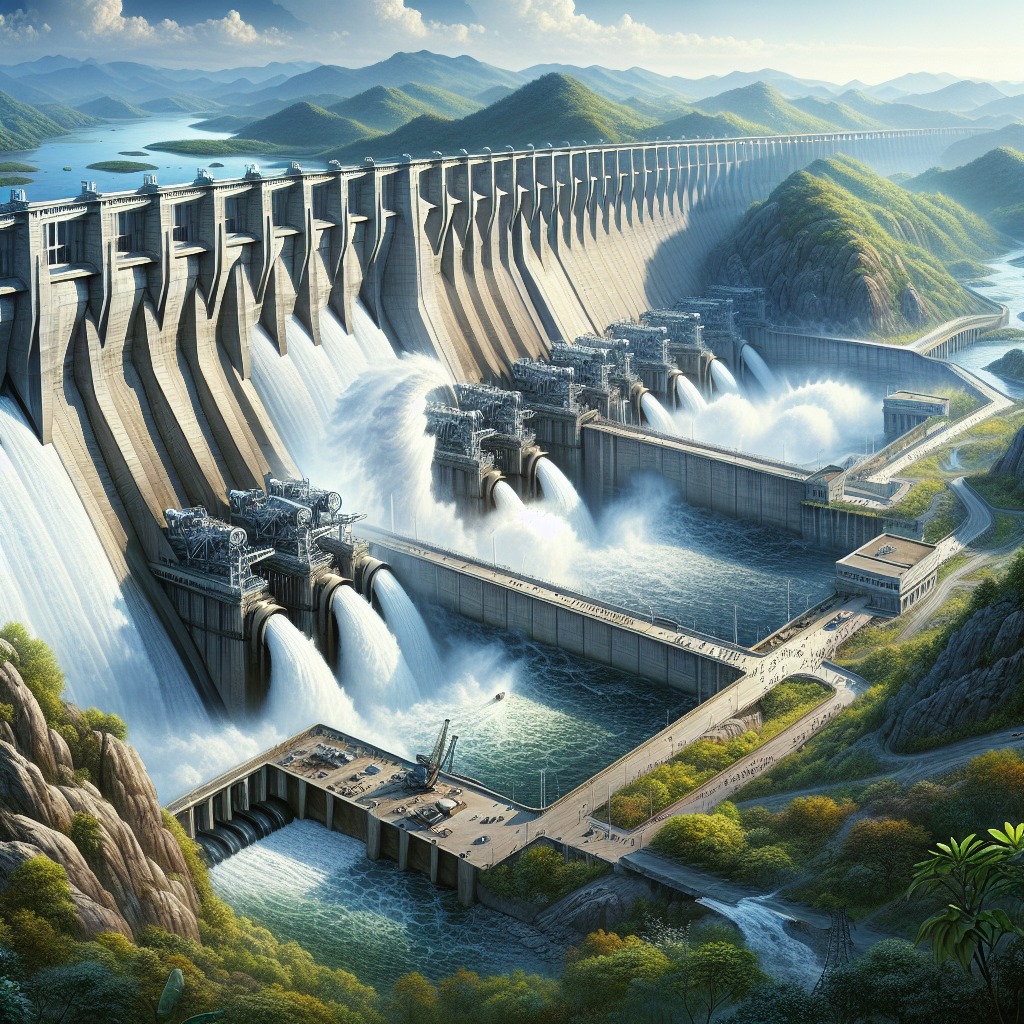
In a major step toward strengthening India's renewable energy capacity and accelerating development in the Northeast, the Cabinet Committee on Economic Affairs (CCEA), chaired by Prime Minister Shri Narendra Modi, has approved an investment of ₹26,069.50 crore for the construction of the Kamala Hydro Electric Project (HEP) in Arunachal Pradesh.
The ambitious project, to be developed across the districts of Kamle, Kra Daadi, and Kurung Kumey, will have an installed capacity of 1,720 MW and is scheduled for completion within 96 months.
A Strategic Renewable Energy Project
The Kamala HEP is designed to generate approximately 6,870 million units (MU) of electricity annually, making it a key addition to India's clean energy portfolio.
The project will play a critical role in:
-
Strengthening power supply in Arunachal Pradesh
-
Supporting peak demand management across the national grid
-
Enhancing grid stability and balancing
-
Providing flood moderation benefits in the Brahmaputra basin
With India rapidly expanding its renewable energy footprint, large hydropower projects like Kamala are essential for ensuring round-the-clock clean energy availability.
Strengthening India's Hydropower Hub in the Northeast
The Kamala project is part of a broader push to develop Arunachal Pradesh as a hydropower hub of India.
Other major NHPC-led projects in the region include:
-
Subansiri Lower HEP (2,000 MW) — nearing completion, with 750 MW already commissioned and full commissioning expected by December 2026
-
Dibang Multipurpose Project (2,880 MW) — under construction
-
Etalin Hydropower Project (3,097 MW) — in planning stage
Together, these projects position the Northeast as a critical contributor to India's future energy security.
Joint Venture and Financial Structure
The Kamala HEP will be implemented through a Joint Venture Company between NHPC Limited and the Government of Arunachal Pradesh, ensuring both national expertise and state participation.
The Government of India will provide substantial financial support, including:
-
₹4,743.98 crore for the flood moderation component
-
₹1,340 crore for enabling infrastructure such as roads, bridges, and transmission systems
-
₹750 crore as Central Financial Assistance toward the State's equity share
This multi-layered funding structure ensures both financial viability and timely execution of the project.
Direct Benefits to the State and Local Communities
Arunachal Pradesh will receive:
-
12% free power from the project
-
An additional 1% of power revenue earmarked for the Local Area Development Fund (LADF)
These provisions will generate long-term revenue streams for the state and support local development initiatives.
Massive Infrastructure Boost for Remote Regions
The project is expected to significantly transform infrastructure in the remote districts of Kamle, Kra Daadi, and Kurung Kumey.
Key infrastructure developments include:
-
Construction of approximately 196 km of roads and bridges
-
Development of transmission networks
-
Creation of essential public infrastructure such as:
-
Hospitals
-
Schools
-
Marketplaces
-
Dedicated project funds of ₹8 crore will be allocated for community infrastructure, improving quality of life in the region.
Employment and Socio-Economic Impact
The Kamala HEP is expected to generate:
-
Large-scale employment during construction and operational phases
-
Opportunities for local contractors and businesses
-
Enhanced livelihoods through CSR initiatives and compensation frameworks
The project will act as a catalyst for regional economic development, particularly in underserved and geographically challenging areas.
Environmental and Strategic Significance
Beyond energy generation, the project offers key environmental and strategic benefits:
-
Flood control in the Brahmaputra Valley
-
Reduced dependence on fossil fuels
-
Contribution to India's climate commitments
Hydropower also provides flexible generation capacity, crucial for integrating intermittent renewable sources such as solar and wind.
Advancing Viksit Bharat and Northeast Development
The approval of the Kamala Hydropower Project aligns with the government's broader vision of:
-
Viksit Bharat
-
Balanced regional development
-
Strengthening connectivity and infrastructure in the Northeast
By combining clean energy generation with socio-economic upliftment, the project represents a holistic approach to sustainable development.


 Google News