

UN expert urges protection for judges and lawyers facing threats over climate cases
States must avoid politicising expertise in climate law and science, Satterthwaite said, rejecting the suggestion that a judge’s ability to handle environmental disputes should be characterised as activism.
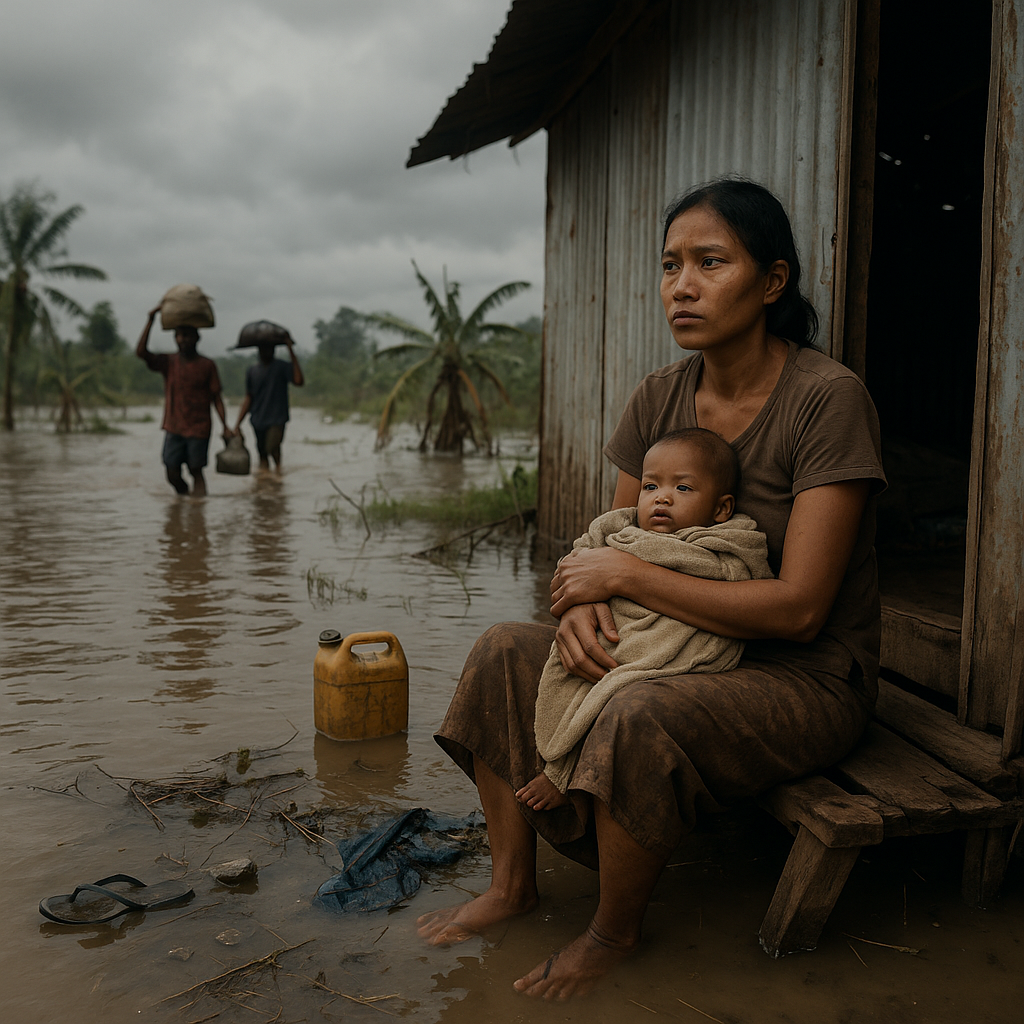
Justice systems must be equipped to respond to the urgent and existential threat of climate change, a UN expert said, warning that judges, lawyers and others working to enforce climate obligations face interference, intimidation and attacks.
Margaret Satterthwaite, the UN Special Rapporteur on the independence of judges and lawyers, said the United Nations system, including the International Court of Justice, has called on states to use all available means to prevent environmental harm, but efforts to uphold governments' climate commitments are repeatedly undermined.
Her report to the General Assembly examines the barriers confronting judges, prosecutors, lawyers and community justice workers as they interpret, enforce or seek reforms to the climate obligations of governments and private actors, calling for stronger protection of their independence and better preparation for environmental cases.
Political and economic pressure undermines climate justice
Satterthwaite warned that powerful economic and political interests are using their influence to obstruct the move away from carbon-based systems, with pressure on justice institutions and attacks on the rule of law forming part of that resistance. Many states have failed to make the changes needed for effective legal action on environmental harm, including damage to climate systems, despite increasingly clear legal standards and an unequivocal scientific consensus.
The expert said justice systems trying to uphold climate commitments are often disregarded or exposed to improper influence, threats and attacks, weakening their ability to examine obligations and decide cases independently.
Protecting that independence requires political commitment backed by adequate resources, training and opportunities for international cooperation and coordination, so that those handling climate cases can carry out their responsibilities without intimidation.
Environmental defenders need protection from abusive legal action
Satterthwaite urged states to stop criminalising environmental defenders and using the law against them, drawing particular attention to the damaging effects of strategic litigation against public participation, commonly known as SLAPPs.
Her call places the treatment of environmental defenders alongside the independence of judges and lawyers as a concern for justice systems responding to climate change, where legal processes must be capable of addressing environmental obligations without becoming instruments of pressure.
The report identifies practical approaches that can improve the handling of climate disputes, including specialised tribunals or judicial benches, changes to the rules used in ordinary proceedings, science-based education for judges and creative remedies that provide effective responses to harm.
These measures form part of the preparation needed to ensure courts and other justice institutions can deal with the legal and scientific questions raised by environmental cases.
Knowledge of climate law must not be treated as activism
States must avoid politicising expertise in climate law and science, Satterthwaite said, rejecting the suggestion that a judge's ability to handle environmental disputes should be characterised as activism.
Climate cases will reach courts regardless of whether political representatives agree with them, she explained, making it essential that judges are prepared to decide those cases fairly and without fear or favour.
The expert called on justice systems to meet the challenge, stressing that their ability to address climate disputes independently and competently serves the interests of everyone affected by the decisions.
ALSO READ
-
UN Agencies Launch New Framework to Track Heat Risks for Pregnant Women and Children
-
Climate Crisis Threatens Global Healthcare as ADB Warns of Trillions in Economic Losses by 2050
-
Rising Heat Threatens Food Production as Smarter Farming Offers a Path to Resilience
-
Women on the Frontline: Why 2026’s Environmental Summits Must Deliver Gender Justice
-
El Niño Threatens 347 Million Children as Floods and Droughts Put Their Futures at Risk


 Google News