

Humanitarian situation still fragile in Somalia despite good 'Gu' rains
- Country:
- Somalia
The humanitarian situation in Somalia has continued to improve due to good 'Gu' rains (April – July) and sustained humanitarian response. The end of four consecutive seasons of drought in many parts of the country resulted in the best harvests in nearly a decade, positively affecting the food security. However, the 2019 Humanitarian Needs Overview (HNO) released by the Somalia Humanitarian Country Team recently, cautions that these gains are fragile and threatened by the poor performance of the current 'Deyr' rainy season (October – December). Early funding and support will be required to sustain the aid operation in 2019.
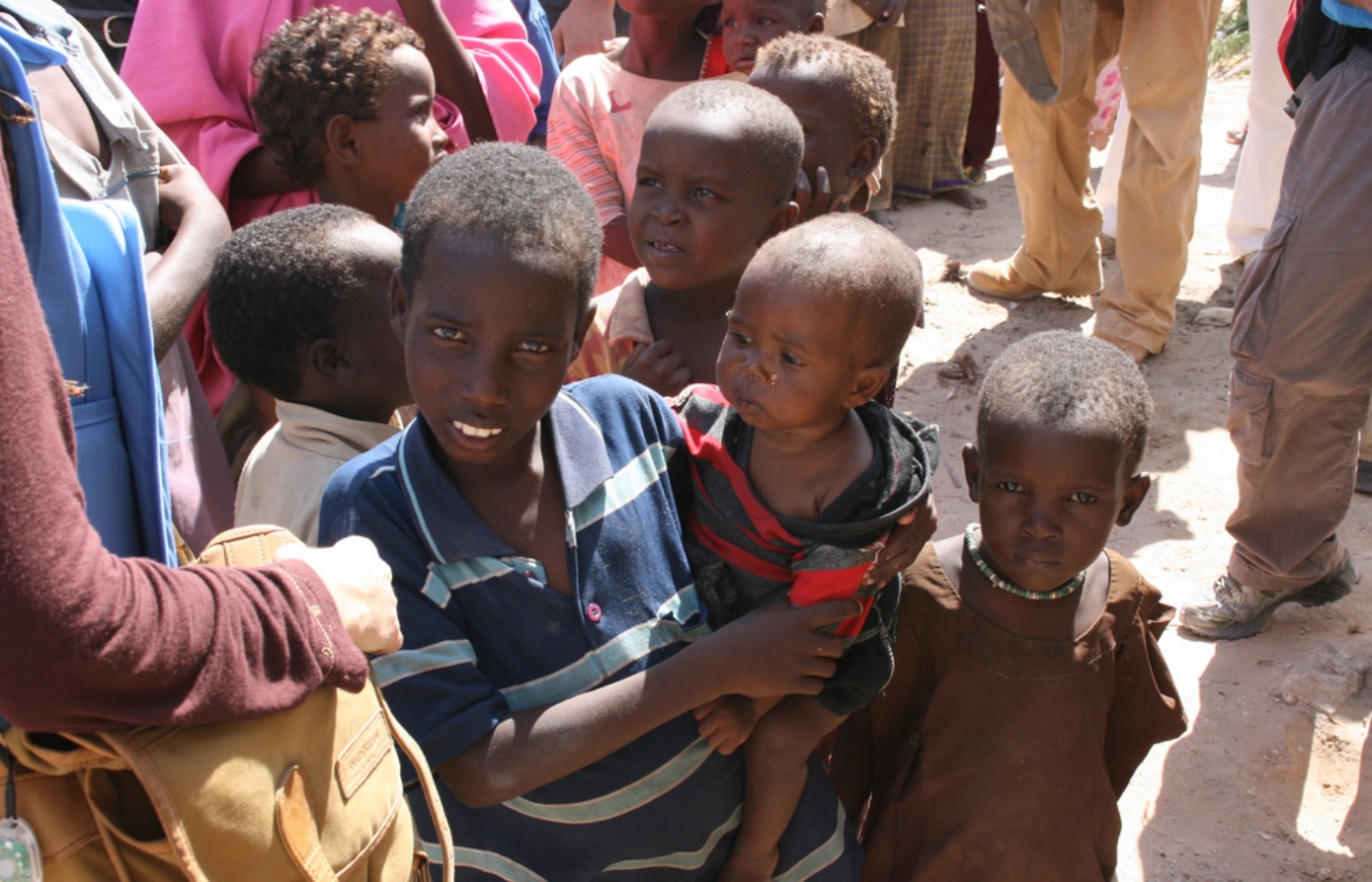
More than 4.2 million people – one-third of the population – will require humanitarian assistance and protection in 2019. This is a reduction in the number of people in need by 34 percent, from 6.2 million people, in 2018 due to an improved humanitarian context and a more focused definition of humanitarian needs, while still including 60 percent of all people at stressed level (IPC 2). Of the people in need of assistance, almost two-thirds are children and over 2.6 million people are internally displaced persons (IDPs), who live in difficult circumstances, are highly vulnerable and in need of multiple basic services. The most vulnerable groups, including female-headed households, children, the elderly, people with disabilities and marginalized communities, are particularly at risk and face specific protection concerns.
"Even with the improvements in food security, we cannot afford to be complacent. Humanitarian needs remain above the pre-crisis level from two years ago. Over 1.5 million people, mainly IDPs and rural populations, face acute levels of food insecurity (IPC 3 and above) and require immediate assistance for their survival. Malnutrition rates across the country have remained persistently high with nearly one million children expected to be acutely malnourished, including 173,600 expected to be severely malnourished," said Peter de Clercq, the Humanitarian Coordinator for Somalia. "Continued conflict and climatic shocks such as this year's underperforming 'Deyr' season threaten to reverse the gains made thus far. Collective international support will be required to sustain aid operations in 2019."
The Ministry of Humanitarian Affairs and Disaster Management called on aid agencies to continue to prioritize life-saving assistance, in complementarity with development, recovery and resilience initiatives such as the Recovery and Resilience Framework (RRF) and the National Development Plan (NDP), to address the underlying causes of recurring crises. "The improvement in the humanitarian situation presents humanitarian and development partners, and the Federal Government of Somalia, with an opportunity to invest more in resilience-building to end the cyclical nature of needs. The government is committed to continuing working with all partners to strengthen its capacity and to gradually take over full responsibility for the delivery of basic social services and to better address the underlying causes of humanitarian needs," said the Minister of Humanitarian Affairs and Disaster Management, Hamza Said Hamza.
The Somalia Humanitarian Needs Overview describes the impact of the humanitarian crisis, provides and explains an estimate of which population groups are affected, analyses their situation and gives an overview of the operational environment. The Somalia Humanitarian Country Team continues to ensure that the HNO is a Somali-driven and consultative process that includes the voices of the affected Somali communities and authorities.


 Google News