

Empowering Communities: How Cash Transfers Drive Growth and Development
The World Bank’s research highlights how cash transfers, combined with behavioral interventions, enhance economic resilience, reduce poverty, and empower vulnerable communities, particularly in Niger. Timely financial aid, psychological support, and sustainable social protection systems are key to long-term economic stability and development.
 CoE-EDP, VisionRI
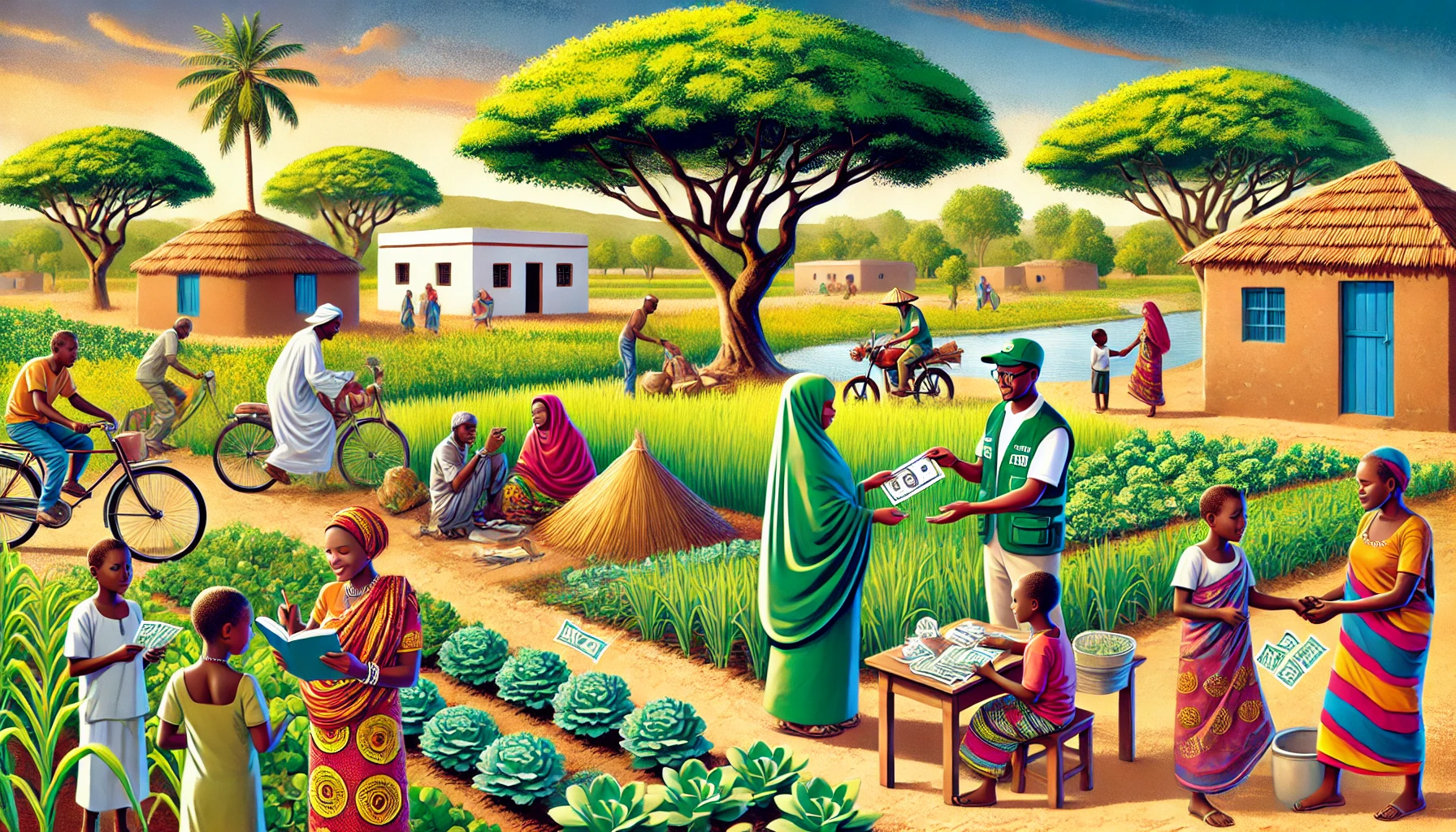
The World Bank, in collaboration with leading research institutions such as the Journal of Environmental Economics and Management, the Journal of African Economies, and Nature, has explored the effectiveness of social safety nets, cash transfers, and economic resilience in the Sahel, particularly in Niger. This comprehensive analysis examines how financial aid programs impact poverty alleviation, household productivity, and early childhood development. Drawing on extensive empirical research, the findings highlight how direct financial assistance enables vulnerable populations to withstand climatic shocks and economic instability. The study also emphasizes the significance of behavioral interventions alongside financial aid, showing that shifting mindsets and addressing psychological barriers are crucial for sustainable economic progress. While cash transfers provide immediate relief, their long-term impact depends on how recipients utilize the funds, demonstrating the importance of combining financial aid with knowledge and motivation to make strategic economic decisions.
The Power of Cash Transfers in Driving Economic Growth
Cash transfers serve as more than just a temporary relief measure; they are powerful tools for driving long-term economic stability. Research indicates that households receiving these funds are more likely to invest in agriculture, education, and small businesses. Farmers use the financial support to purchase high-quality seeds, fertilizers, and irrigation systems, leading to improved yields and enhanced food security. Additionally, many families allocate funds toward their children's education by covering school fees, buying learning materials, and ensuring continuous enrollment, ultimately contributing to human capital development. Moreover, small-scale entrepreneurs benefit by expanding their businesses, purchasing equipment, and increasing productivity. However, studies show that the impact of cash transfers is significantly amplified when paired with financial literacy programs, personal development initiatives, and behavioral support. Providing people with money is only one part of the solution—ensuring they have the knowledge and confidence to use these resources effectively is what makes a lasting difference.
Early Interventions: A Game-Changer in Disaster Resilience
A major theme in the report is the role of cash transfers in helping households cope with climatic shocks, particularly in drought-prone regions like Niger. The timing of these interventions is crucial, as early financial support allows families to maintain their consumption levels, avoid distress sales of productive assets, and invest in adaptive strategies for future resilience. Research has found that cash transfers provided ahead of climatic disasters are far more effective than those given afterward. By receiving aid in advance, households can stockpile essential goods, reinforce their livelihoods, and prepare for upcoming challenges rather than being forced into reactive coping mechanisms. The report emphasizes that governments and aid organizations must adopt proactive approaches, ensuring that vulnerable communities receive support before disaster strikes rather than waiting until conditions worsen. The evidence strongly supports the notion that prevention is far more effective—and cost-efficient—than post-disaster recovery efforts.
Breaking Psychological Barriers to Economic Empowerment
Beyond financial constraints, the report explores the psychological and social barriers to poverty reduction. Many people living in poverty face not just economic limitations but also deeply ingrained societal norms and self-perceptions that hinder their progress. Researchers have examined how culturally informed psychological interventions can boost personal and interpersonal initiative, leading to greater economic participation and self-sufficiency. These interventions focus on fostering a mindset of possibility, encouraging individuals to take initiative, set goals, and engage in productive activities. The findings highlight various programs in Niger where psychological support was integrated with cash transfers, leading to improved financial decision-making, greater workforce participation, and higher levels of economic activity. The research suggests that by addressing both financial and psychological constraints, poverty reduction programs can be far more effective in creating sustainable improvements in people's lives.
Women's Empowerment and the Role of Social Safety Nets
A crucial aspect of the document is the impact of cash transfers on women's economic empowerment. In many communities, women play a central role in managing household finances, ensuring food security, and making decisions that affect their families' well-being. When financial aid is directed toward women, studies show that household outcomes improve significantly, with better child nutrition, higher school enrollment rates, and increased investments in productive ventures. However, social norms often restrict women's access to economic opportunities. The report explores interventions that seek to dismantle these barriers, promoting financial inclusion, entrepreneurship, and leadership among women. Programs that combine cash transfers with mentorship, business training, and social empowerment initiatives have shown remarkable success in fostering gender equity. By targeting both economic and social limitations, these programs help create long-term pathways for women's financial independence and overall well-being.
The Future of Social Protection: Toward Sustainability
The research also addresses the sustainability of cash transfer programs, particularly in the context of government-led initiatives. While donor-funded projects have played a significant role in providing immediate support, long-term success depends on integrating these interventions into national social protection systems. The report discusses various models for ensuring financial sustainability, including progressive taxation, public-private partnerships, and international collaborations aimed at securing continuous funding. Additionally, the research emphasizes the need for adaptive social protection systems that can respond dynamically to evolving challenges, such as climate change and economic fluctuations, rather than relying solely on external aid. Governments must take proactive measures to institutionalize social safety nets, ensuring that vulnerable populations remain protected even in times of economic uncertainty.
The document presents a compelling case for how cash transfers, behavioral interventions, and social protection systems work together to reduce poverty and build resilience in fragile economies. By drawing on extensive research and real-world case studies, it reinforces the notion that financial aid, when strategically implemented, can serve as a powerful tool for long-term economic development. However, sustainable progress requires a holistic approach that incorporates psychological empowerment, gender equality, and government commitment to maintaining and expanding social safety nets. Through a combination of early interventions, targeted support, and innovative policy measures, cash transfer programs can continue to play a transformative role in breaking the cycle of poverty and fostering resilience in vulnerable communities across the Sahel and beyond.
- FIRST PUBLISHED IN:
- Devdiscourse
ALSO READ
-
Nigeria Launches $5 Billion AgriConnect Plan to Back Farmers and Create 2.5m Jobs
-
Beyond the AI Hype: Sierra Leone Bets on Data, Skills and Connectivity to Drive Real Development
-
Eurasia’s Middle Corridor Faces a $55 Billion Test to Turn Connectivity Into Economic Growth
-
World Bank Backs Serbia’s Gas Network With $600M for Decade of Energy Upgrades
-
World Bank Backs Türkiye’s Farmers With $750 M to Boost Rural Jobs and Growth


 Google News