

Empowering Women Through Energy: Addressing Inequality in the Horn of Africa
The report highlights the gender and social inclusion gaps in energy access across the Horn of Africa borderlands, emphasizing the disproportionate burden on women, IDPs, and marginalized groups due to limited electricity and clean cooking solutions. It calls for gender-responsive policies, financial support, and infrastructure investments to ensure equitable energy access and economic empowerment.
 CoE-EDP, VisionRI
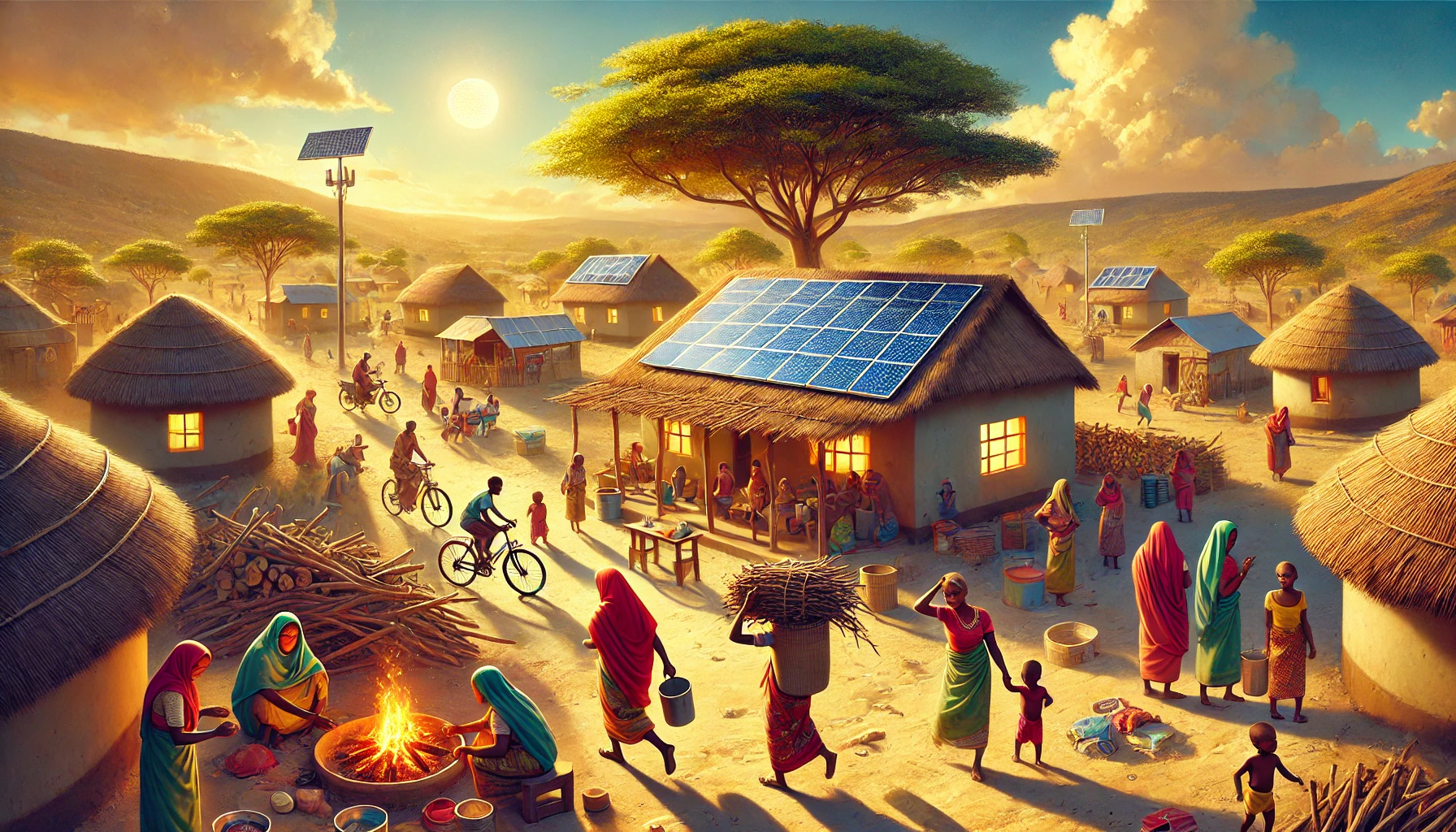
The "Gender, Social Inclusion, and Energy Access in the Horn of Africa Borderlands" report, prepared by the Africa Gender and Energy Team under the World Bank, in collaboration with the Energy Sector Management Assistance Program (ESMAP) and regional partners, examines the deep-seated gender disparities in energy access across Djibouti, Eritrea, Ethiopia, Kenya, Somalia, and Sudan. Conducted under the Horn of Africa Regional Integration for Sustainable Energy Supply Project (HoA RISES, P174175), the study highlights how women, youth, elderly, people with disabilities (PWDs), refugees, and internally displaced persons (IDPs) face significant barriers to accessing electricity and clean cooking solutions. It emphasizes the urgent need for policy reforms, investment in infrastructure, and targeted programs to empower these groups and close the energy gap.
The Burden of Energy Poverty on Women
The Horn of Africa region is experiencing economic growth, yet poverty, insecurity, and gender inequality remain major challenges, particularly in borderland areas. Women are disproportionately affected by energy poverty, as they bear the primary responsibility for household tasks such as cooking, collecting water, and gathering firewood. The lack of modern energy services means that women in these regions spend several hours each day collecting fuel, often exposing themselves to gender-based violence (GBV) and other risks.
Access to electricity remains highly unequal between urban and rural areas, with urban centers having better connectivity while rural and borderland communities suffer from severe electricity deficits. In Sudan and Ethiopia, urban electricity access rates exceed 80%, but in rural areas, rates fall below 40%. Clean cooking solutions are even less accessible, with many rural households relying on biomass fuels such as firewood and charcoal, which contribute to deforestation, indoor air pollution, and severe respiratory diseases. In Djibouti, 86% of rural households still depend on charcoal or wood, creating environmental and health crises that disproportionately affect women and children.
Fragility, Conflict, and the Challenge of Electrification
Political instability and conflict in countries such as Somalia, Sudan, and Ethiopia make energy access even more difficult for displaced populations. The lack of data on gender and energy usage patterns further complicates efforts to design targeted interventions. IDPs, refugees, and pastoralist communities often live in remote, conflict-prone regions, where national energy infrastructure is poor or nonexistent. Even in urban centers, the high cost of electricity makes it unaffordable for low-income women-headed households.
Research findings reveal that women-led businesses and small-scale traders in borderland areas struggle significantly due to unreliable power supply and expensive tariffs. In Somalia, for instance, women operating small stores near industrial zones must travel over 10 kilometers daily to purchase ice for refrigeration because their businesses lack electricity connections. This economic constraint prevents them from expanding their businesses and forces them into unsustainable and exploitative labor markets.
Unlocking Opportunities Through Gender-Inclusive Energy Policies
To address these critical gaps, several policy and intervention strategies have been proposed. Strengthening legal and regulatory frameworks related to gender and energy access is crucial. Countries need national gender and energy policies that institutionalize gender-responsive energy planning. Kenya has already developed a Gender and Energy Policy, and similar frameworks should be adopted across the region.
Expanding off-grid solar solutions and clean cooking technologies to hard-to-reach communities should be a priority. Results-based financing (RBF) and catalytic grants must be introduced to incentivize private sector investment in energy services for marginalized communities. Kenya's Off-Grid Solar Access Project (KOSAP) has successfully used RBF models, leading to increased electricity access in underserved counties. Similarly, Uganda's government has provided subsidized electricity connections to over 105,000 poor households, significantly improving energy affordability.
Targeted financial support is essential. This includes subsidies, flexible payment models, and cash transfers to help low-income households afford energy services. In India, a direct subsidy program has provided millions of women with access to liquefied petroleum gas (LPG) for clean cooking, proving that gender-targeted interventions can transform energy access.
Empowering Women and Boosting Economic Growth
Women in borderland communities can play a transformative role in the energy sector if given the right opportunities. Programs that integrate women as energy service providers such as solar product distributors, mini-grid operators, and clean cooking entrepreneurs—can create sustainable income opportunities while promoting energy access. In Senegal, the PROGEDE II project has successfully trained women's groups as wholesalers and retailers of improved cookstoves, leading to the widespread adoption of clean energy solutions.
Further, improving public energy access in borderlands is critical for health care and education. Electrifying hospitals and maternal health clinics will ensure better neonatal care, vaccine storage, and medical equipment functionality. Schools with reliable electricity can introduce digital learning, extend study hours, and improve overall education outcomes, particularly for young girls.
The Horn of Africa borderlands have immense potential, but gender and social inclusion must be prioritized in energy access initiatives. Policymakers, development agencies, and the private sector must collaborate to create inclusive energy interventions that ensure affordable, reliable, and sustainable electricity for all. Addressing energy poverty through gender-responsive policies and investments will unlock economic opportunities, reduce inequalities, and drive sustainable development across the region.
- FIRST PUBLISHED IN:
- Devdiscourse


 Google News