

UN Committee Probes Plight of Palestinians with Disabilities Amid Gaza Conflict
From Jordan, Mohammad Alaqeel, Minister Plenipotentiary, stressed that international humanitarian law obliges Israel to protect civilians and people with disabilities.
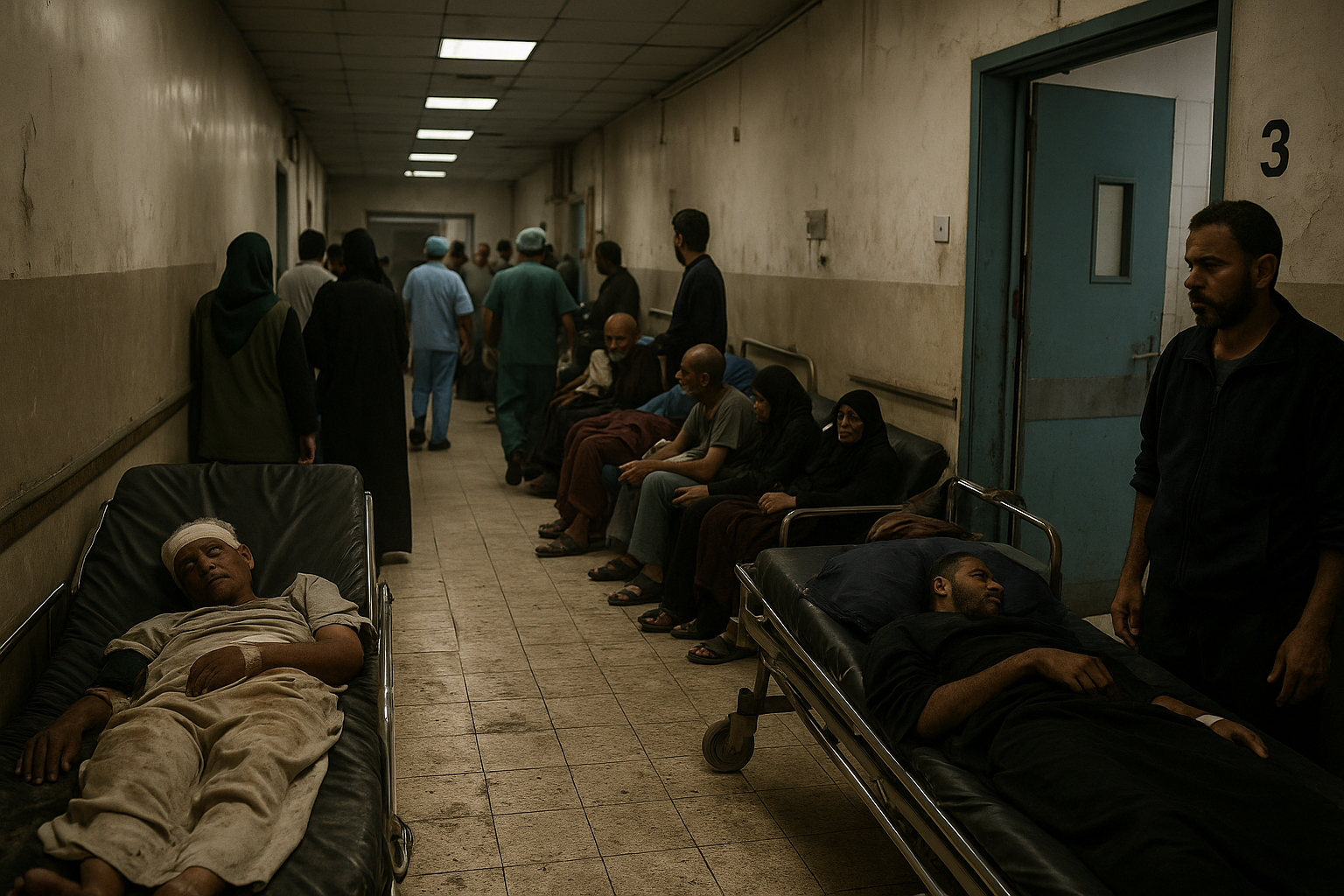
The Committee on the Rights of Persons with Disabilities (CRPD) has concluded a three-day public dialogue in Geneva examining the devastating impact of war on persons with disabilities in the Occupied Palestinian Territory (OPT). The discussion, held under Article 11 of the Convention on the Rights of Persons with Disabilities, focused on ensuring protection and humanitarian aid for people with disabilities in situations of armed conflict and humanitarian emergencies.
Setting the Stage: War and Rising Disabilities
Opening the session, Muhannad Salah Al-Azzeh, Committee Expert and Taskforce Coordinator, said the dialogue aimed to gather comprehensive information on the plight of Palestinians with disabilities and to develop recommendations for international organizations. The goal, he stressed, was to provide concrete measures that guarantee minimum safety, secure access to humanitarian aid, and alleviate suffering in the West Bank and Gaza.
The war has had a catastrophic effect on disability rates. According to Ibrahim Khraishi, Permanent Observer of the State of Palestine to the UN in Geneva, there has been a sharp rise in amputations and permanent injuries due to indiscriminate and targeted attacks. Since the outbreak of hostilities in Gaza:
-
4,800 amputations of limbs have been recorded.
-
76% involved upper limbs, while 24% affected lower limbs.
-
Ten children per day are losing one or both legs.
"Gaza has become home to the largest group of child amputees in modern history," Khraishi said, citing findings from rights organizations.
Regional Testimonies: Egypt and Jordan
Noran Atteya, Counsellor at Egypt's UN Mission in Geneva, highlighted Egypt's role in receiving evacuees. Between November 2023 and July 2025, more than 460 Palestinians with disabilities, mainly amputees, were evacuated to Egypt as part of a broader humanitarian medical transfer of nearly 9,000 civilians. They were accompanied by 17,500 relatives and carers. While some evacuees have been transferred to third countries, none have returned home due to destroyed infrastructure, border closures, and ongoing hostilities.
From Jordan, Mohammad Alaqeel, Minister Plenipotentiary, stressed that international humanitarian law obliges Israel to protect civilians and people with disabilities. He condemned forced expulsions of Palestinians, calling them a flagrant violation of international law and tantamount to ethnic cleansing.
Humanitarian Aid Amid Shortages
The UN Relief and Works Agency for Palestine Refugees in the Near East (UNRWA) has been providing critical services despite severe shortages. Hector Sharp, a UNRWA representative, reported that:
-
In 2024, 27 physiotherapists carried out 64,000 sessions, many remotely.
-
In the first half of 2025, more than 53,000 sessions had already been provided.
-
Over 26,000 persons with disabilities received psychosocial support.
-
Around 8,500 individuals were given assistive devices or rehabilitation services.
However, the agency warned that assistive devices are in critically short supply in Gaza, further worsening conditions.
Civil Society Raises Alarm
Across three meetings, the Committee engaged with a wide range of civil society organizations, including the Palestinian Disability Coalition, Stars of Hope Society, Human Rights Watch, and the World Federation of the Deaf.
Speakers painted a grim picture:
-
Many persons with disabilities cannot respond to evacuation warnings or flee bombed shelters.
-
92% cannot access food or medicine, while 83% have lost assistive devices.
-
Some described disability as now being an "inescapable part of life" for Palestinians under siege.
Civil society groups demanded stronger humanitarian corridors, inclusive relief systems, and international accountability for violations of the rights of persons with disabilities.
Israel's Absence and International Implications
The Committee invited representatives from Israel to participate in the dialogue, but no delegation attended. This absence, some observers noted, undermined opportunities for direct accountability and constructive dialogue.
The CRPD emphasized that the suffering of persons with disabilities in the OPT requires urgent international attention, especially as humanitarian emergencies disproportionately impact vulnerable groups.
Looking Ahead
The Committee will compile its findings and issue recommendations to international organizations and States to strengthen protection for persons with disabilities in conflict zones.
The CRPD will next meet in public on 18 August 2025 to begin its review of Kiribati's initial report (CRPD/C/KIR/1).
ALSO READ
-
UNESCO Brings Data to New UN Platform Connecting People With Trusted Information
-
UN Expert Urges Malaysia to Halt Myanmar Returns as Refugees Face War and Violence
-
Netherlands and WHO Strengthen Health Partnership as Crises Put Care Under Pressure
-
Longer Lives, Unequal Care: UN Report Exposes Gaps in Support for Older People Globally
-
Century After Slavery Convention, Millions Still Wait for Freedom and Justice


 Google News