

Morocco Faces Global Outcry Over Deadly Crackdown on Youth-Led Protests
While most demonstrations were peaceful, scattered incidents of property damage occurred, prompting authorities to ban further protests.
- Country:
- Morocco
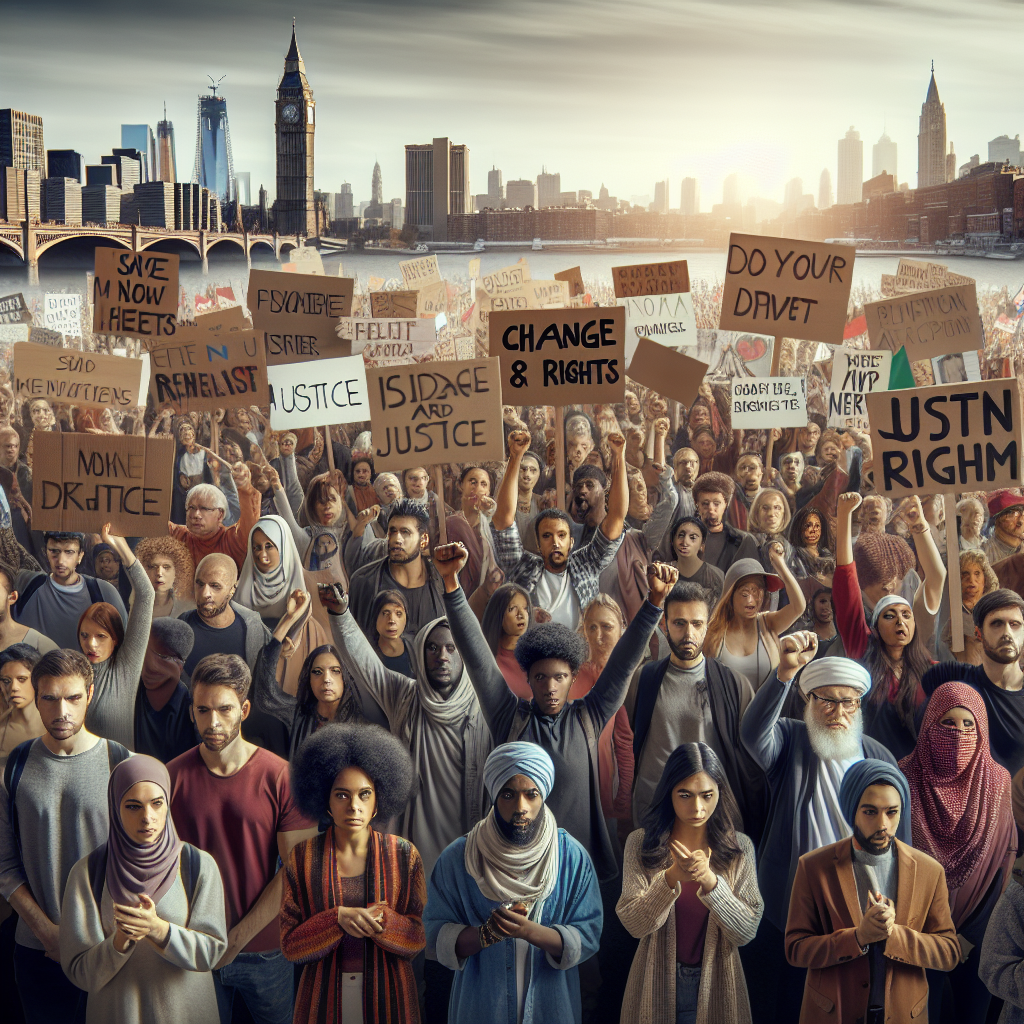
A wave of unrest has swept across Morocco following a government crackdown on youth-led protests calling for better health care, education, and anti-corruption reforms. The protests, sparked by the movement GenZ212, have resulted in at least three deaths, dozens of injuries, and the arrest of nearly 1,000 people, including minors. Human Rights Watch (HRW) has condemned the Moroccan authorities' heavy-handed response, urging an immediate investigation into the use of lethal force and the widespread arrests of peaceful demonstrators.
Youth Movement Challenges Inequality and Corruption
The protests erupted on September 27, 2025, after GenZ212—a youth-led social movement—called on citizens to take to the streets to demand increased investment in public services and an end to corruption. The protesters also criticized the government's decision to allocate billions of dollars to mega sporting events, including preparations for the 2025 Africa Cup of Nations and the 2030 FIFA World Cup, while public hospitals and schools remain underfunded.
While most demonstrations were peaceful, scattered incidents of property damage occurred, prompting authorities to ban further protests. Police and the Royal Gendarmerie reportedly used tear gas, car rammings, and live ammunition to disperse crowds, killing three people and injuring dozens more.
"Morocco's youth are voicing their dissent over the state of health care and education in the country," said Hanan Salah, Associate Middle East and North Africa Director at Human Rights Watch. "The government should heed protesters' calls and replace repressive tactics with public engagement and wide-ranging reforms."
Escalation of Violence and Documented Abuses
Human Rights Watch has verified multiple videos showing violent confrontations between security forces and protesters, particularly in Oujda and Lqliâa. In Oujda, footage shows security vans driving into protesters, injuring at least two men, including 17-year-old Wassim Eltaibi and 19-year-old Amine Boussaada, who later had his leg amputated.
In Lqliâa, near Agadir, security forces opened fire on demonstrators who were attempting to storm a gendarmerie post, killing three men—including Abdessamade Oubalat, a 22-year-old cinematography student. HRW geolocated several videos showing gunfire and tear gas at the scene, but investigators could not determine whether tear gas was used before lethal force, as claimed by the authorities.
The Moroccan Interior Ministry defended the gendarmerie's actions, alleging that some protesters used stones and knives, and said officers acted "in self-defense." However, HRW has called for an independent, transparent investigation to hold any perpetrators accountable and ensure compliance with international human rights standards.
Mass Arrests and Harsh Sentences
Following the unrest, Moroccan courts have moved swiftly against demonstrators. Authorities have reportedly filed criminal cases against at least 270 protesters, including 39 children, many of whom remain in detention. Some protesters have already been handed prison sentences and hefty fines:
-
On October 4, the Agadir Court of First Instance sentenced a man to four years in prison and a 50,000-dirham fine for "inciting crimes via social media."
-
On October 8, the Agadir Court of Appeal imposed a 10-year prison term for alleged vandalism and violence during the Lqliâa protests.
-
On October 9, the Silla Court of Appeal sentenced several defendants to up to 20 years in prison for "acts of vandalism."
Nationwide, protests between September 27 and October 1 left 354 people injured, including 326 security personnel, and resulted in damage to 271 police vehicles and 175 private cars, according to official reports.
Economic Inequality and Broken Promises
The protests have drawn attention to deep socioeconomic inequalities in Morocco, where nearly one-third of the youth population faces unemployment and limited access to quality education or health care. Despite government pledges under the 2021 Framework Law on Social Protection, half of Morocco's 38 million people still lack health coverage.
Morocco's health spending stood at 2.3% of GDP in 2022, well below the World Health Organization's recommended minimum of 5%. Similarly, despite allocating 6% of GDP to education, the country's literacy rates and student performance remain among the lowest in the region—fewer than 20% of adolescents meet minimum literacy and math standards, according to 2022 data.
Recent tragedies, including the deaths of several pregnant women in an under-equipped public hospital in Agadir, have fueled public anger and strengthened the protesters' resolve.
Youth Versus Prestige Projects
Critics argue that Morocco's government has prioritized prestige projects—like sports infrastructure for international tournaments—over essential public services. The country is reportedly spending US$5 billion to prepare for upcoming events, including stadiums, transportation systems, and tourist accommodations.
"Young people in Morocco are making very clear-cut demands for better health care, better education, and an end to corruption," said Salah. "If the government can fund state-of-the-art football stadiums, it can afford to fund its healthcare system."
International Law and Human Rights Obligations
Morocco's 2011 Constitution guarantees the right to health care, education, decent housing, and work. The country is also a party to the International Covenant on Civil and Political Rights, which protects freedom of expression, assembly, and association.
Under the UN Basic Principles on the Use of Force and Firearms by Law Enforcement Officials, lethal force is permissible only when "strictly unavoidable in order to protect life." HRW stressed that Morocco's security forces must abide by these international standards and cease using excessive or lethal force against peaceful protesters.
A Growing Regional Trend
The GenZ212 protests form part of a broader global youth uprising, echoing movements in Madagascar, Indonesia, Kenya, Nepal, Peru, and the Philippines, where young people have mobilized around demands for economic justice, public service reform, and anti-corruption measures.
While Morocco's King Mohammed VI acknowledged the need to improve education, health care, and youth employment in a speech on October 10, he did not address the protests directly or outline concrete steps to resolve the crisis.
Calls for Accountability and Reform
Human Rights Watch has urged Morocco to end its repression of protesters, release those detained for peaceful assembly, and open an independent inquiry into the killings and alleged abuses by security forces.
The organization also called on Morocco to redirect public spending toward meeting citizens' social and economic rights, particularly in health care, education, and employment.
"Repressive tactics will only deepen public resentment," Salah warned. "The Moroccan government must listen to its young citizens—not silence them."


 Google News