

UN Expert Hails New Africa-Wide Framework to Protect Children with Albinism
Across many parts of Africa, children with albinism continue to face deep-rooted discrimination and stigma, often resulting in social exclusion, attacks, and even ritual killings.
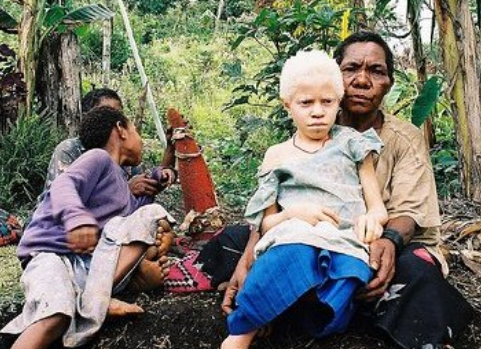
A United Nations human rights expert has welcomed the publication of a new Guiding Note on Reporting on the Rights and Welfare of Children with Albinism in Africa, calling it a "critical step" toward protecting one of the continent's most vulnerable and often overlooked groups.
The landmark document, developed jointly by the African Committee of Experts on the Rights and Welfare of the Child (ACERWC) and the UN Independent Expert on the enjoyment of human rights by persons with albinism, provides a practical framework for governments to better report, monitor, and address the rights of children with albinism under the African Charter on the Rights and Welfare of the Child (ACRWC).
Persistent Discrimination and Violence Against Children with Albinism
Across many parts of Africa, children with albinism continue to face deep-rooted discrimination and stigma, often resulting in social exclusion, attacks, and even ritual killings. The UN expert emphasized that this pattern of abuse remains one of the most disturbing human rights challenges on the continent.
"Children with albinism continue to face systemic discrimination, violence, ritual attacks, and exclusion," she said. "We urgently need targeted action to protect and promote their human rights."
The discrimination extends beyond physical violence. Many children with albinism are denied access to education, face discrimination in healthcare, and lack proper social protection. They are also disproportionately affected by poverty and neglect, particularly in rural areas where traditional beliefs and misinformation about albinism remain widespread.
A Practical Tool for Governments and Stakeholders
The Guiding Note aims to help African Union Member States fulfill their reporting obligations under the African Children's Charter. It provides clear indicators for countries to use when submitting their periodic reports to the ACERWC, ensuring that issues related to children with albinism are not ignored or marginalized.
The indicators focus on several key areas:
-
Education: Ensuring inclusive schooling and protection from bullying and discrimination.
-
Healthcare: Addressing the specific health needs of children with albinism, including skin cancer prevention and visual impairment.
-
Social Protection: Providing financial and community support for affected families.
-
Access to Justice: Ensuring that crimes against children with albinism are properly investigated and prosecuted.
-
Awareness and Inclusion: Promoting accurate information and challenging harmful stereotypes.
"The Guiding Note provides key indicators to assist African Union Member States in fulfilling their obligations," the UN expert said. "It highlights the areas they should report on and strengthens accountability mechanisms."
A Call for Action and Partnership
The UN expert called on all African governments to adopt and integrate the new indicators into their national frameworks, emphasizing that paper commitments must translate into real action.
"I call on all African Union Member States to integrate these indicators into their reporting frameworks and take concrete steps to implement the recommendations," she urged. "Only through sustained commitment and collaboration can we eliminate the barriers faced by children with albinism."
The Guiding Note is not limited to governments—it also serves as a resource for civil society organizations (CSOs), national human rights institutions (NHRIs), and children's advocacy groups, helping them to prepare alternative or complementary reports to the ACERWC. This multi-stakeholder approach ensures transparency, accountability, and inclusivity in addressing human rights issues.
Strengthening Continental Collaboration
The development of this document reflects the growing collaboration between regional and international human rights bodies, reinforcing Africa's leadership in protecting vulnerable populations.
The UN Independent Expert praised the partnership between the UN and the ACERWC as a model of effective cooperation.
"This Guiding Note is a testament to the power of partnership between regional and international mechanisms on issues of children with albinism and beyond," she said. "Let us seize this opportunity to transform the lives of children with albinism across Africa."
The initiative aligns with global efforts under the 2030 Agenda for Sustainable Development, particularly Goal 10 (Reduced Inequalities) and Goal 16 (Peace, Justice, and Strong Institutions). It also supports the African Union's Agenda 2063, which envisions a continent where "no child is left behind."
Toward a Future of Dignity and Inclusion
The launch of the Guiding Note marks a pivotal moment in the long struggle to ensure equality, dignity, and protection for children with albinism. Experts believe that the framework, if implemented effectively, could help dismantle long-standing barriers and promote a culture of inclusion across Africa.
By embedding albinism-specific indicators into national reports and policies, African governments have an opportunity to set a global example in protecting children's rights. The challenge now, as the UN expert emphasized, lies in turning commitments into concrete, measurable results.
"The time for words is over," she concluded. "We must act decisively to ensure every child with albinism grows up safe, included, and free from fear."


 Google News