

ASEAN Launches New 2035 Roadmap to End Child Labour With ILO Support
This landmark framework reflects one of the most comprehensive regional commitments to child protection, aligning Southeast Asia with global efforts to eliminate child labour in all its forms.
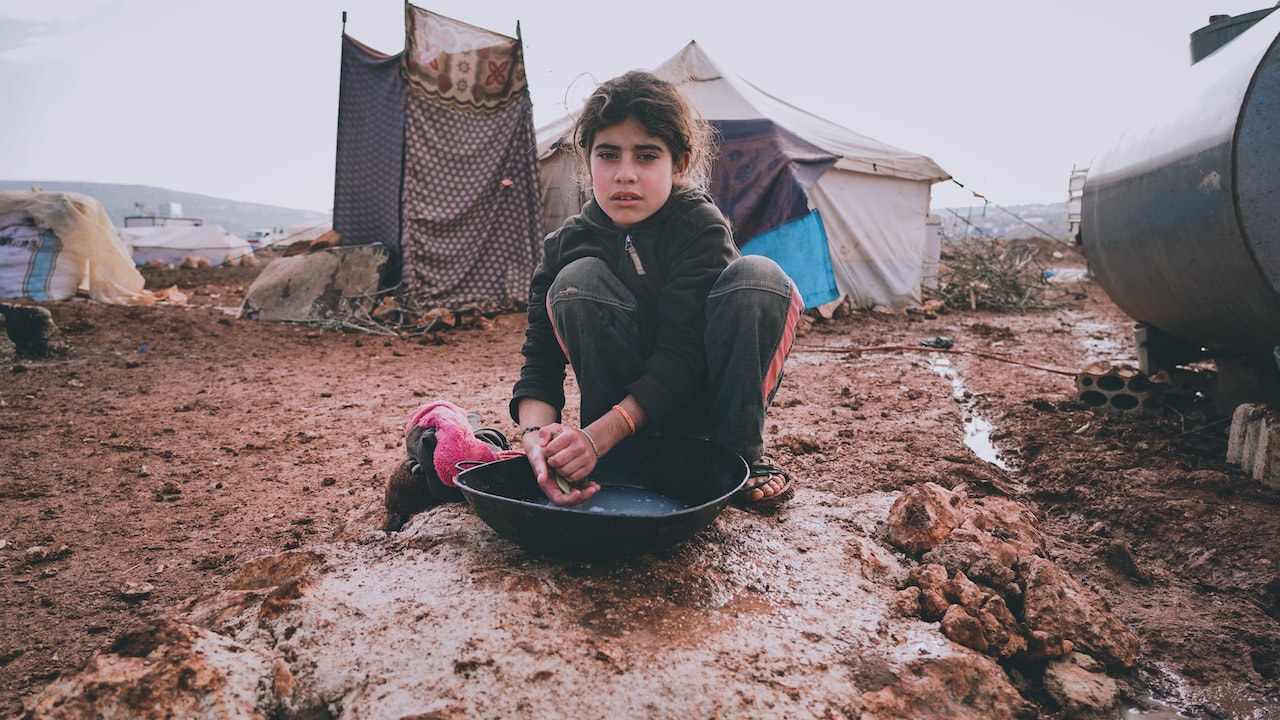
The Association of Southeast Asian Nations (ASEAN), with technical and strategic support from the International Labour Organization (ILO), has officially launched the ASEAN Roadmap for the Prevention of Child Labour, Including the Elimination of the Worst Forms of Child Labour by 2035. This landmark framework reflects one of the most comprehensive regional commitments to child protection, aligning Southeast Asia with global efforts to eliminate child labour in all its forms.
Endorsed by ASEAN Leaders at the 47th ASEAN Summit, the new Roadmap renews a collective determination to protect children's rights, strengthen policy implementation, and address long-standing challenges that fuel child labour across the region.
A Decade-Long Vision to Safeguard Children Across Southeast Asia
Spanning the period 2026–2035, the Roadmap builds on lessons from two earlier ASEAN plans and sets a concrete trajectory toward a region free from child exploitation. It outlines actionable strategies for preventing child labour, improving enforcement, expanding education access, and addressing root causes such as poverty, social vulnerability, and lack of opportunities.
Designed as a future-oriented guide, the Roadmap aligns ASEAN's commitments with global labour standards and the Sustainable Development Goals (SDGs), particularly SDG target 8.7: ending child labour in all its forms by 2025 and forced labour by 2030.
Confronting Persistent and Emerging Risks
Despite progress in recent years, child labour remains prevalent in sectors that form the backbone of some ASEAN economies—most notably:
-
Agriculture and fisheries
-
Plantations and informal work
-
Domestic work
-
Manufacturing supply chains
-
Construction and seasonal labour
The Roadmap takes a holistic approach by recognising both persistent and emerging threats to children's safety and wellbeing.
Key root causes addressed include:
-
Household poverty and economic shocks
-
Debt bondage and exploitative recruitment
-
Limited access to education and social protection
-
Migration-related vulnerabilities
-
Climate-related displacement and livelihood disruptions
-
Risks emerging from digital platforms and online exploitation
By tackling these structural challenges, ASEAN aims to empower families, strengthen communities, and expand opportunities that reduce the incidence of child labour.
Three Pillars: Prohibition, Prevention, and Protection
The Roadmap is organised around three strategic focus areas, ensuring a comprehensive, multi-sectoral response:
1. Prohibition
Strengthening legal frameworks, enforcement systems, and justice mechanisms to ensure children are protected under national and international law. This includes enhanced monitoring, labour inspection, and sanctions against violators.
2. Prevention
Addressing socio-economic drivers through improved access to quality education, livelihood support for families, social protection expansion, and awareness-raising campaigns across ASEAN communities.
3. Protection
Ensuring child victims of exploitation receive support, rehabilitation, safe reintegration, and access to essential services, while reinforcing community-based mechanisms and national referral systems.
The Roadmap acts as a guiding document to harmonize national policies and ensure that progress is equitable across the region.
Strong Regional Leadership and Collective Commitment
Senior ASEAN and government officials emphasized the importance of unity and cross-border collaboration.
Pol. Lt. Col. Wannapong Kotcharag, Permanent Secretary of Thailand's Ministry of Labour, highlighted regional solidarity:
"The unity of the eleven ASEAN Member States will make our efforts more concrete and impactful. ASEAN will serve as a strong force to operationalize the Roadmap, strengthen our collective capacity through knowledge sharing and joint planning, and ensure that no one is left behind. With this spirit, success is within reach."
San Lwin, Deputy Secretary-General of ASEAN for the ASEAN Socio-Cultural Community, reiterated the organization's shared aspiration:
"The Roadmap reflects our commitment to a resilient, people-centred, and inclusive region where every child can grow free from exploitation and with access to education, protection, and opportunity."
Philippines Department of Labor and Employment Assistant Secretary Amuerfina R. Reyes emphasised the Roadmap's long-term vision:
"This future-focused document integrates lessons learned and proven practices. May it guide our national frameworks, strengthen partnerships, and realize our shared vision of an ASEAN free of child labour."
ILO's Continued Support: Technical Guidance and Capacity Building
The ILO played a pivotal role in shaping the new Roadmap, providing technical input and facilitating extensive consultation across the region. Tuomo Poutiainen, ILO Deputy Regional Director for Asia and the Pacific, reaffirmed the organization's long-term partnership with ASEAN:
"The ILO has supported ASEAN in developing this Roadmap and will continue to provide guidance, knowledge sharing, and capacity-building support to ensure effective implementation."
The Roadmap's development process included surveys, interviews, national consultations, expert dialogues, and regional workshops—all aimed at ensuring a holistic, evidence-informed and inclusive approach.
Launch Event Brings Together Over 120 Participants
The launch, hosted by the Ministry of Labour of Thailand, gathered more than 120 participants, including representatives from:
-
ASEAN sectoral bodies
-
Workers' and employers' organizations
-
The ASEAN Youth Organisation
-
Civil society groups
-
Development partners
-
UN agencies
The workshop provided a platform to present the Roadmap, share knowledge, and strengthen mechanisms for implementation, monitoring, and reporting.
Looking Ahead: A Region United Against Child Labour
As Southeast Asia undergoes rapid economic and demographic transformation, protecting children remains a central priority. The Roadmap sets the foundation for a decade of integrated action—bringing together governments, communities, the private sector, and international partners.
With strong political commitment, coordinated regional frameworks, and support from the ILO and other development actors, ASEAN is poised to make meaningful strides toward eliminating child labour and ensuring that every child grows up safe, educated, and empowered.
ALSO READ
-
ADB Backs Indonesia With $650 Million to Expand Markets and Safer Digital Finance
-
Belize Communities Take the Lead in New Push for Jobs, Skills and Stronger Futures
-
ILO Report Reveals How to Bring Social Security Within Reach of Informal Workers
-
Japanese Lawmakers Visit India to See Worker Protection and Skills Projects in Action
-
Indonesian Employers Seek a Stronger Voice in OECD Reforms on Jobs, Skills and Business


 Google News