

IATA: Sustainable Aviation Fuel Growth Slowing as Poor Policies Drive Up Costs
Because SAF is not being produced in sufficient quantities, many airlines—some of which pledged to use 10% SAF by 2030—may need to revise or abandon their targets.
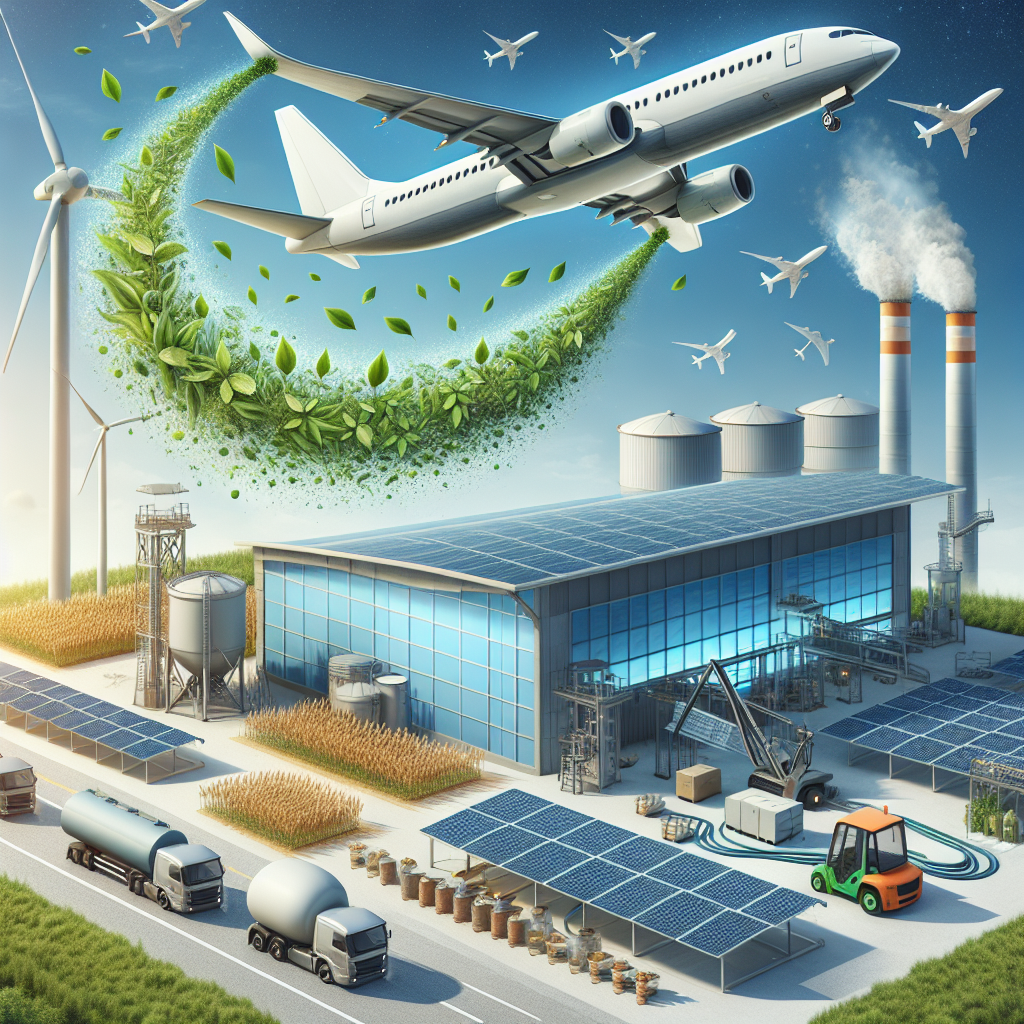
The International Air Transport Association (IATA) has released new estimates showing that global production of Sustainable Aviation Fuel (SAF)—a key component of aviation's path to net-zero emissions—is failing to scale at the pace required. Despite modest growth in 2025, SAF output is projected to slow significantly in 2026, raising concerns about policy frameworks, market readiness, and the viability of airlines' decarbonization commitments.
SAF Production Outlook: Growth, but Not Enough
-
2025 SAF production: 1.9 million tonnes (Mt) — double the 1 Mt produced in 2024 (equivalent to 2.4 billion liters)
-
2026 SAF forecast: Slows to 2.4 Mt, signaling weakening momentum in a sector that urgently needs rapid scaling.
Even with this growth, SAF will represent only:
-
0.6% of total jet fuel consumption in 2025
-
0.8% in 2026
At current price levels, the SAF premium will cost the airline industry an additional USD 3.6 billion in 2025 alone.
IATA also revised its original 2025 output expectations downward due to insufficient policy support preventing producers from operating at full capacity.
Why SAF Is Falling Short: High Prices, Poor Mandates, Weak Incentives
SAF currently costs:
-
2× more than conventional jet fuel on average
-
Up to 5× more in markets with strict mandates
These price disparities—combined with limited supply—are major obstacles for airlines attempting to meet environmental commitments.
"Poorly designed mandates stalled momentum in the fledgling SAF industry," said Willie Walsh, IATA Director General. "If the goal was to slow progress and increase prices, policymakers succeeded. But if the objective is scaling SAF to decarbonize aviation, urgent redesign of incentives is needed."
How EU & UK Mandates Intensified Costs and Stifled Growth
IATA's report highlights significant negative effects stemming from current SAF mandates:
In the European Union
-
ReFuelEU Aviation increased costs without expanding supply.
-
Oligopolistic fuel supply chains widened profit margins.
-
Airlines are forced to pay up to 5× the price of conventional fuel and double the global SAF market price.
-
No guarantee of consistent supply or adequate documentation.
In the United Kingdom
-
Mandates caused sharp price spikes, leaving airlines to absorb the financial burden.
The Financial Toll on Airlines
Airlines are expected to pay a USD 2.9 billion premium for the limited 1.9 Mt of SAF available in 2025.
-
USD 1.4 billion represents the standard SAF price premium over fossil jet fuel. The remainder is attributed to policy-induced price distortions.
Walsh warned that fragmented European policies continue to distort markets, discourage investment, and slow SAF scale-up. He called for immediate reform, noting that the European Commission's recent STIP announcement is a step forward but lacks clear implementation timelines.
Airlines May Be Forced to Scale Back Climate Commitments
Because SAF is not being produced in sufficient quantities, many airlines—some of which pledged to use 10% SAF by 2030—may need to revise or abandon their targets.
"These commitments were made in good faith," Walsh said, "but simply cannot be delivered under the current policy framework."
e-SAF Mandates Looming: Risk of Repeating Past Mistakes
New mandates for electrofuels (e-SAF) take effect in:
-
UK: 2028
-
EU: 2030
But e-SAF carries an even higher cost burden:
-
Up to 12× the cost of traditional jet fuel
-
Compliance costs could reach EUR 29 billion by 2032 if production targets are missed
Without strong production incentives, supply is unlikely to scale. IATA warns that replicating the SAF policy model will only repeat past failures.
"Mandates alone are not achieving their intended effect," said Marie Owens Thomsen, IATA Senior Vice President for Sustainability. "Regulators must course-correct to ensure SAF and e-SAF production becomes viable at scale—otherwise costs will soar and progress toward net-zero will stall."
A Clear Call for Better Policy Design
IATA urges policymakers to shift from punitive mandates to supportive, market-oriented incentives such as:
-
Production tax credits
-
Capital investment support
-
Feedstock expansion strategies
-
Streamlined regulatory pathways
These measures, IATA argues, are essential to make SAF economically competitive and to accelerate decarbonization across the global aviation sector.
ALSO READ
-
Travel Giants Push EU for Faster Biometric Journeys With Privacy and Choice Intact
-
Air Cargo Demand Climbs 4.4% as Airlines Face Soaring Fuel Costs Ahead of Peak Season
-
Hidden Dangerous Goods Spark IATA Call for Stronger Safety Across Air Cargo Chains
-
IATA’s Macao Event Explores Air Travel’s Next Era
-
ICAO’s Onuma to Open Brussels Aviation Talks as Europe Faces Rising Cost Pressures


 Google News