

FGM Bans Aren’t Enough: Survivors Call for Justice, Healing and Men’s Action
“When perpetrators are taken to court, that is important,” says Catherine Kimaren Mootian, an FGM survivor in Kenya and director of AfyAfrica, an organisation working to end the practice.
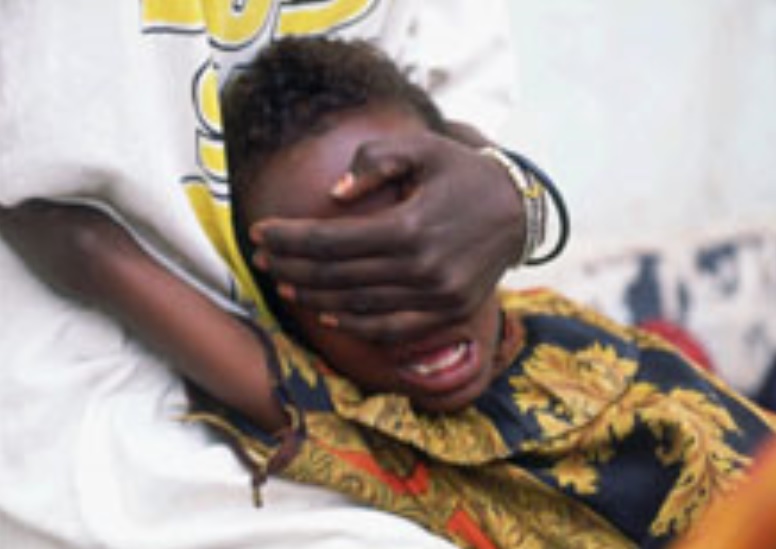
For millions of women and girls, banning female genital mutilation (FGM) is not justice — it is only the beginning.
"When perpetrators are taken to court, that is important," says Catherine Kimaren Mootian, an FGM survivor in Kenya and director of AfyAfrica, an organisation working to end the practice. "But what happens to the girl who was cut? Who supports her healing, her education, her future?"
Despite legal bans across many countries, FGM continues — and survivors say the harm does not end with the cutting. Instead, it follows women for decades, through relationships, childbirth, education and work, often in silence and without support.
Life after FGM: the hidden crisis
Mootian was cut at the age of 12 in Kenya's Maasai community, despite her father being a doctor. She recalls being woken in the night, ambushed, and cut without explanation.
"What followed wasn't one moment of trauma — it was years of shame, fear and silence," she says. "Even now, if I see blood or a surgical blade, my body reacts."
For many survivors, the consequences resurface during pregnancy and childbirth. Some endure miscarriages, emergency caesareans, or are forced into early marriage and never return to school. A 2023 multi-country study estimates one girl dies every 12 minutes from complications linked to FGM — making it both a public health emergency and a human rights violation.
Why laws alone don't protect girls
FGM has been illegal in Kenya for more than a decade, yet enforcement remains uneven. According to Tony Mwebia, director of Men End FGM, social pressure often overrides the law.
"You cannot arrest your way out of FGM," he says. "If marriageability depends on being cut, families will find ways around the law — cutting in secret or crossing borders."
In many communities, refusing FGM means exclusion from marriage, economic security and social belonging.
"That is not consent," Mwebia says. "That is coercion."
Why men's attitudes are decisive
Campaigners argue that men's expectations are one of the strongest forces sustaining FGM.
"Men are not bystanders," Mwebia explains. "They negotiate dowries. They decide what is acceptable. If men continue to expect women to be cut, the practice will continue — even if it's illegal."
While many young men oppose FGM in principle, silence often takes over under family pressure. Initiatives like Men End FGM confront this silence directly, encouraging men to publicly reject the belief that a woman must be cut to be respected or married.
"When men see what actually happens, they say it feels like watching a horror movie," Mwebia says. "And that changes them."
Healing where the law cannot reach
Today, Mootian leads AfyAfrica, founded by FGM survivors in Narok, Kenya. The organisation provides safe spaces, counselling and community engagement — addressing harm laws alone cannot undo.
"In my county, there are three government psychologists and more than 500 survivors," she says. "Most women have no access to therapy at all."
"Healing started when I realised I wasn't alone," Mootian adds. "But for justice to work, support must be funded — counselling, protection, education and recovery."
The Gambia: a warning to the world
Recent events in The Gambia underscore how fragile legal protections can be. Although FGM has been illegal there since 2015, lawmakers attempted to repeal the ban in 2024. While parliament ultimately upheld it, a Supreme Court challenge brought in January 2026 now seeks to overturn the law on constitutional and religious grounds.
If successful, survivors would lose the legal foundation needed to report abuse, seek protection and hold perpetrators accountable.
"When protections are rolled back," campaigners warn, "it is women and girls who pay the price — in their bodies, their futures and their access to justice."
Justice beyond punishment
For survivors, justice must mean more than prosecutions.
"Yes, the perpetrator may be jailed," Mootian says. "But then what? If we want justice, we must make sure survivors can heal and achieve their dreams."
This is where UN Women plays a critical role — supporting survivor-led organisations, strengthening laws, funding psychosocial care and applying sustained pressure to ensure protections are defended, not diluted.
As the global fight against FGM continues, survivors and advocates are clear on one point: laws matter — but without healing, support and social change, justice remains unfinished.
ALSO READ
-
Mozambique Faces Fossil Fuel Trap; UN Expert Calls for Solar-Powered Future for All
-
Dora Moutot’s Conviction Sparks UN Expert’s Concern Over Women’s Safety and Free Speech
-
West Bank Checkpoints Are Taking Palestinian Time, Livelihoods and Lives, UN Expert Warns
-
Nicaragua’s Deepening Rights Crisis Prompts Urgent Call for OAS Action on Democracy
-
Malaysia’s Return of 1,476 People to Myanmar Raises UNHCR Fears Over Their Safety


 Google News